


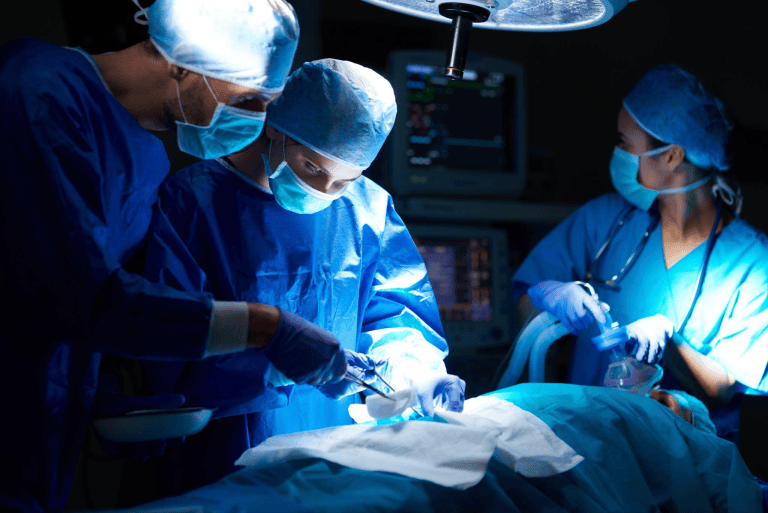
Gynecological surgery has changed a lot in the few decades. Even though traditional open surgery is still important for some cases new techniques have given doctors better options. These new methods use cuts and special tools. One of the common approaches is laparoscopy also known as keyhole surgery. This lets a surgeon look inside the abdomen or pelvis. Do operations through small openings instead of one big cut.
These improvements have made invasive gynecological surgery a bigger part of diagnosing and treating many women’s health problems.. Not every patient should have minimally invasive treatment. The decision, between laparoscopic, vaginal, robotic or open surgery depends on the disease how serious it is, the patient’s health and what the surgeon thinks is best.
What Is Minimally Invasive Gynecological Surgery?
Invasive gynecological procedures are surgical techniques designed to accomplish a procedure through smaller access points than traditional open surgery. I have seen how these techniques help patients recover faster. In open surgery a relatively large incision may be required to access the pelvic or abdominal area.
From my perspective laparoscopic surgery offers an approach. In surgery surgeons typically use a small camera called a laparoscope and specialized instruments inserted through small incisions.
The camera provides a view of internal structures on a monitor allowing the surgical team to examine the pelvis and perform selected procedures with specialized instruments. I have observed how this improves precision. Laparoscopic surgery can be either diagnostic or operative.
Diagnostic laparoscopic surgery is used to investigate problems inside the pelvis while operative laparoscopic surgery allows the surgeon to treat conditions during the same procedure. I have found that the Royal College of Obstetricians and Gynaecologists lists applications such, as treatment of endometriosis ovarian cysts, ectopic pregnancy and pelvic scar tissue although the exact procedure depends on the case.
Why Is Minimally Invasive Surgery Becoming More Common?
The appeal of invasive gynecology is more than just a cosmetic choice. Smaller access points can change how recovery feels when compared with some procedures.
Depending on the operation, potential advantages may include:
- Smaller surgical incisions
- Less visible scarring
- Reduced disruption to surrounding tissues
- Shorter hospital stays for some procedures
- Earlier return to everyday activities in appropriate cases
- Less postoperative discomfort for some patients
However these advantages must always be weighed against the potential risks and limits of the procedure. Invasive gynecology is still surgery and complications can still happen.
Research published in Obstetrics & Gynecology also found that invasive gynecology has a lower risk of postoperative venous thromboembolism compared with laparotomy, in the studied population.
The appropriate surgical approach therefore must be decided on a basis not simply because minimally invasive gynecology is always better.
Conditions That May Be Treated With Laparoscopic Surgery
Modern gynecological surgical procedures can handle different issues. Laparoscopy specialist might be used when an invasive method is needed for treatment.
Endometriosis
Endometriosis happens when tissue like the inside of the uterus grows outside the uterus. This condition can lead to pain in the pelvis, periods and problems with getting pregnant.
Laparoscopy allows a doctor to look directly at the pelvis. If needed treat endometriosis or related cysts on the ovaries. The RCOG says that most women with endometriosis can have surgery using laparoscopic methods. The type and difficulty of the surgery can be different for each person.
Cysts
Some ovarian cysts go away on their own. Others might need to be watched or treated with surgery depending on how big they’re how they look what symptoms they cause and other medical factors.
When surgery is needed, removing a cyst with laparoscopy might be a choice for some patients.
Fibroids
Uterine fibroids are not cancerous. Can cause heavy bleeding, pressure in the pelvis, pain or issues with fertility. The treatment depends on things like how fibroids there are, where they are, the symptoms, the persons age and future plans for having children.
For some people laparoscopic surgery to remove fibroids could be a choice of a more traditional open surgery.
Pelvic Adhesions
Tissue that forms scars inside the pelvis can happen after surgery, infections or inflammation or conditions like endometriosis. In some cases these adhesions can be treated with methods.
Some Fertility-Related Conditions
Laparoscopy is not always needed for people who have trouble getting pregnant. However in some cases a doctor might use laparoscopy to check for problems that’re not clear, from simpler tests. This is especially true when endometriosis, pelvic adhesions or other issues are suspected.
The decision to use laparoscopy should come from an evaluation of the persons infertility not just from the fact that they are having trouble getting pregnant.
Laparoscopy vs Open Surgery: What’s the Difference?
The fundamental difference between laparoscopic surgery and open surgery is how the surgeon gets to the area that needs treatment. Open surgery usually involves a cut in the body. Laparoscopic surgery uses cuts in the abdomen. Through these cuts a camera and special tools are put into the body.
This difference can change how quickly someone recovers. For example the Royal College of Obstetricians and Gynaecologists says that patients who have a laparoscopy often go home on the same day.. Recovery after more complex procedures depends on what kind of operation was done.
Minimally invasive surgery is not always the same as surgery. Sometimes doctors need an approach because of where the problem is, how big it is or how complicated it is. Other reasons include bleeding, wide spread disease or other medical concerns. In some cases a surgeon might start with an invasive method but switch to an open approach, during the procedure if it becomes safer that way.
What Is Recovery Like After Minimally Invasive Surgery?
One reason patients are interested in invasive surgery recovery is the possibility of returning to normal activities sooner than after some open procedures.
But recovery is highly individual. It depends on:
- The type of operation
- The extent of surgery
- The patient’s general health
- Whether complications occurred
- The physical demands of their daily activities
After laparoscopy temporary abdominal discomfort, fatigue and shoulder discomfort can occur. The RCOG explains that shoulder pain can result from the gas used during the procedure and that activity should generally be increased gradually according to how the patient feels.
Recovery after a diagnostic procedure can be considerably different from recovery after extensive surgery, for endometriosis, fibroids or another complex condition.
Patients should therefore follow their teams specific instructions rather than relying on a fixed recovery timeline found online.
Is Minimally Invasive Surgery Suitable for Everyone?
This is one of the important questions to ask before considering minimally invasive gynecological treatment.
A patient may look like having a condition that is usually treated laparoscopically. Individual factors can change the recommended approach. These factors may include abdominal surgeries, how extensive the disease is, body shape, other health problems, the size or location of a growth and whether keeping fertility is important.
A proper evaluation may involve history, a physical check, ultrasound or other imaging blood tests and additional tests depending on the condition.
The objective is not simply to choose the cut. The objective is to choose the most effective method, for the particular clinical situation.
Choosing the Right Surgical Approach
Patients who are looking into gynecological surgery might come across different methods online such as laparoscopy, robotic surgery, hysteroscopy, vaginal surgery and open procedures.
Of just looking at how fast someone recovers or how big the cut is, it is better to think about:
- What exactly needs to be treated?
- What are the goals of surgery?
- Is surgery necessary?
- Which approaches are appropriate for this condition?
- What are the potential benefits and risks?
- How could treatment affect fertility or future pregnancy?
- What should recovery realistically involve?
- What alternatives are available?
These questions can help patients have a talk, with their gynecologist and understand why a certain procedure was suggested.
The Future of Minimally Invasive Gynecology
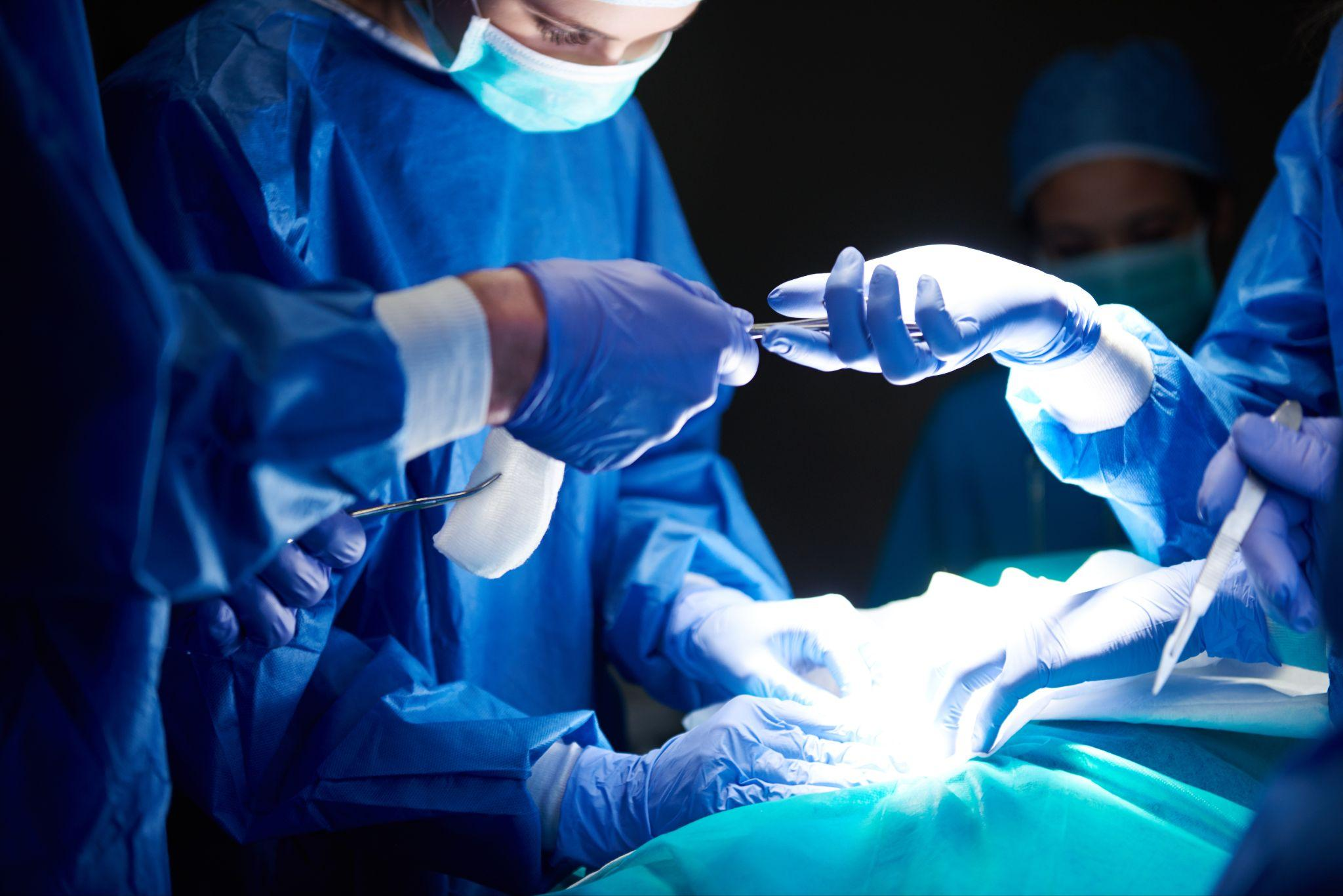
Technology keeps shaping gynecological surgery. Better cameras, new surgical tools, clearer imaging, digital planning and special techniques are opening options for minimally invasive treatment.
Yet technology is one piece of a successful operation. A clear diagnosis, the right patient choice, skilled surgical hands and careful postoperative care are just as vital.
The future of invasive surgery for women is not just about making cuts smaller. It is, about pairing vision and advanced techniques with careful personal decision making to give the right care to each patient.
Making an Informed Decision About Gynecological Surgery
Invasive procedures have given new choices for many gynecological conditions instead of traditional open surgery. For issues like endometriosis and ovarian cysts well as some fibroids and problems related to fertility laparoscopic methods can offer ways to diagnose and treat patients who are right for this type of surgery.
At the time no one type of surgery works for everyone. The best choice depends on the patients condition, their medical history, what they want in terms of having children and how complicated the operation is.
If surgery has been suggested, talking about the options how long it will take to recover what risks there might be and other choices with a doctor who is experienced in laparoscopy can help you decide better about your care. The main aim should always be care that deals, with the problem while also thinking about the patients general health and what they need in the future.
