



I have seen that traditional braces have long been seen as the way to straighten teeth. Metal brackets and wires remain a part of orthodontic care and metal brackets and wires were once the only choice. New materials, digital scanning and careful treatment planning have created teeth straightening options allowing a treatment plan to fit a persons dental needs and lifestyle better. Invisalign is a well‑known example. Invisalign uses a set of clear removable aligners instead of conventional brackets and wires
The main point however is that modern orthodontics is not simply about finding a visible alternative to braces. The best treatment depends on the type and seriousness of tooth or bite problems on health on treatment goals and, on how well a patient can follow the plan.
Why Do People Need Teeth Straightening Treatment?
I think teeth straightening is often linked to a smile but proper alignment can also help with function and oral health. Crowded or crooked teeth are harder to clean. Some bite problems can make chewing difficult or cause uneven wear.
Common orthodontic concerns include:
- Crowded or overlapping teeth
- Gaps between teeth
- Teeth
- Overbite
- Underbite
- Crossbite
- Open bite
- Other forms of malocclusion
Orthodontic treatment moves teeth slowly into better positions and when needed fixes the way the upper and lower teeth fit together. The American Dental Association says that orthodontic treatment can solve malocclusion and can also help improve health and alignment.
Modern Options for Straightening Teeth
There is no one solution that works the same for every person. Modern orthodontic treatment options include fixed devices as well as hidden removable systems.
1. Traditional Metal Braces
Traditional braces are one of the well-known ways to fix teeth alignment. Small pieces are attached to the teeth. Connected with wires that push the teeth slowly into the right place.
One big benefit is that they can handle different kinds of orthodontic problems. They can fix complicated bite and alignment issues. Since they stay on the teeth during treatment, people do not have to worry about putting them in after eating or cleaning.
The downside is that they are easy to see. They also need cleaning because food and germs can get stuck around the pieces and wires.
2. Ceramic Braces
Ceramic braces work the way as regular braces but use brackets that match the color of the teeth. This makes them a choice for people who want fixed treatment without the look of metal brackets.
They are especially good for teenagers and adults who want an obvious look but still need a fixed appliance.
However being less visible does not mean they need care. Good brushing and flossing are still important during treatment.
3. Clear Aligners
Clear aligners are one of the well-known choices instead of traditional braces. Of fixed pieces and wires people wear a set of custom made clear trays that slowly move the teeth.
The aligners can usually be taken out for eating, brushing and flossing. This can make cleaning teeth easier than with fixed braces. Their clear look is another reason they’re popular with adults and people who work in professional settings.
Clear aligners are not just a pretty version of braces. They need people to follow the instructions because they can be taken out. Treatment has to be planned to see if the persons teeth and bite can be fixed with aligners.
The American Association of Orthodontists says that aligners can help with issues like teeth spaces between teeth, overbite, underbite, open bite and crossbite.. They also say that not every person is a good fit for aligner treatment.
4. Lingual Braces
For people who want to fix their teeth but do not want their appliance to be seen lingual braces offer another choice. These braces are placed on the side of the teeth instead of the front.
Because the pieces are behind the teeth they are much harder to see when people talk or smile.. The position can make cleaning and getting used to them different from regular braces. They may not be right for every person.
The AAO says that lingual braces are one of the options, for people who want a hidden treatment.
The Role of Digital Technology in Modern Orthodontics
One of the changes in modern orthodontics is not the appliance itself but how treatment is planned. Digital intraoral scanners can create three-dimensional models of the teeth. This happens without using impression materials when it’s the right case. These digital models can then be used with photos and X-rays to check how the teeth are aligned. They also help in building a treatment plan.
Three-dimensional planning and manufacturing technologies are now playing a role, in orthodontics. Recent studies show use of digital workflows. There is also growing use of printing and artificial intelligence. These tools are being used in diagnosis, treatment planning. Making orthodontic appliances.
This technology can help make treatment more personalized.. Digital tools do not take the place of clinical judgment. A computer-generated simulation only works if it is based on a diagnosis. It also needs to be built on orthodontic planning. Without those even the best simulation is not helpful.
Clear Aligners vs Braces: What Should You Consider? 
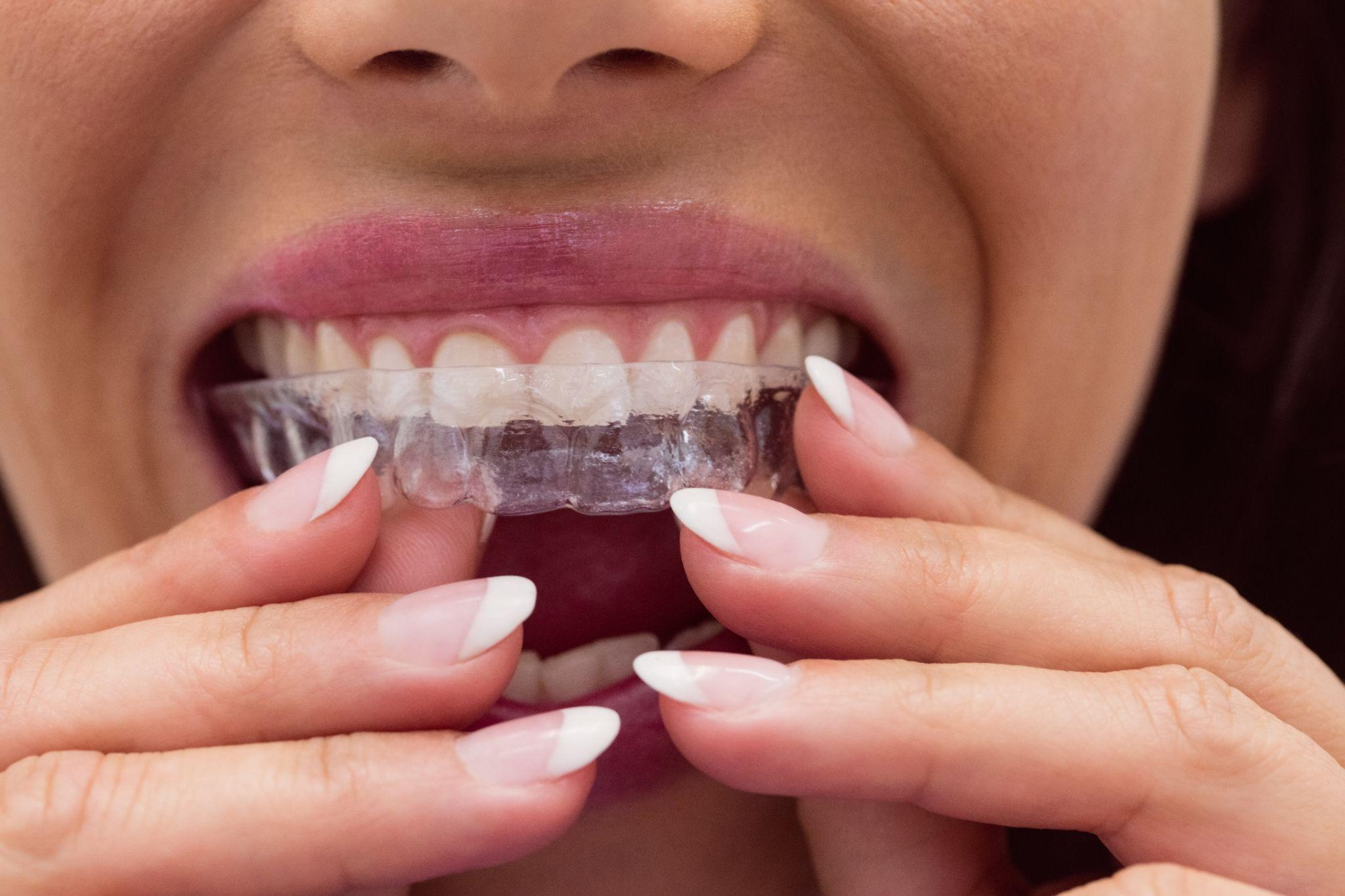
When comparing aligners with braces appearance is only one factor to think about.
Patients should consider:
Complexity of the problem: Some tooth movements and bite corrections may be better handled with fixed braces while selected to-moderate alignment problems may be right for aligners.
Lifestyle: Removable aligners can be easy, for eating and cleaning. They need to be worn regularly and taken care of.
Hygiene: Both treatment types need good cleaning habits. Aligners also need to be cleaned and worn as directed.
Discretion: Clear aligners and some types of braces give an obvious choice compared to traditional metal braces.
Treatment compliance: With devices the patients daily habits can change how quickly things improve. Fixed braces do not have this problem because they stay on the teeth.
The AAO says that choosing treatment should depend on how bad the bite issue’s what the patient needs not just picking the most discreet option.
Why a Personalized Treatment Plan Matters
I have seen the mistake that people can make when looking at modern ways to straighten teeth is picking an appliance before understanding the problem.
I have seen two people who look like they have crooked front teeth but the bite relationships beneath can be very different. One person may need a simple alignment while another person may have crowding, jaw discrepancies or periodontal concerns that change the way the treatment is done.
I know that a proper evaluation can include an examination of the teeth and gums photographs, digital scans and radiographs when clinically indicated. This assessment helps determine what needs to be corrected and which orthodontic treatment approach is appropriate.
I have also read that the AAO warns that orthodontic treatment must be planned with attention to periodontal health because moving teeth when significant gum problems are present can create extra risks.
Don’t Choose an Orthodontic Appliance Based Only on Appearance
Clear aligners, braces, lingual braces and traditional braces each have a place in contemporary orthodontics. The goal is not necessarily to choose the visible appliance; it is to choose an approach that can address the patient’s specific orthodontic needs while fitting realistically into the patient’s daily routine.
Patients should also be cautious about unsupervised or direct‑to‑consumer teeth straightening. The ADA discourages DIY and direct‑to‑consumer treatment because professional evaluation is important for identifying underlying dental and periodontal problems and monitoring orthodontic treatment safely.
Ultimately, the appropriate orthodontic treatment options depend on diagnosis oral health, the desired tooth movements and patient preferences. Speaking with an orthodontist can help you understand which orthodontic options are realistic for your particular smile and why one orthodontic treatment may be more suitable than another.
