


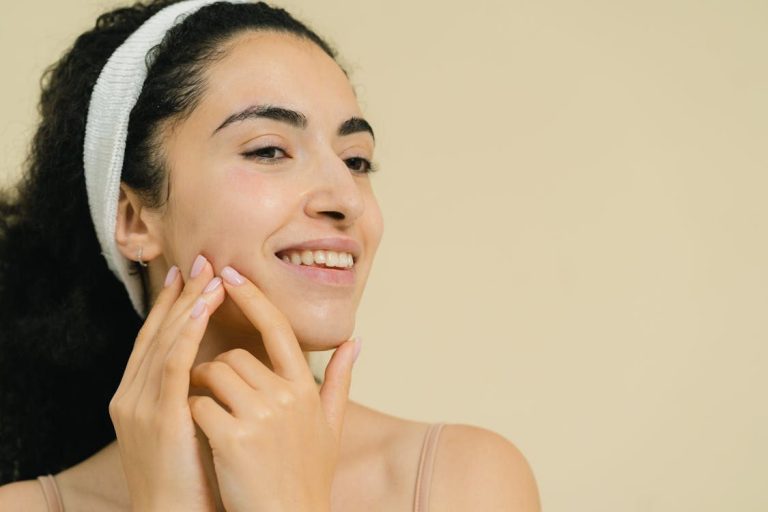
Skin appointments used to feel pretty predictable. Someone would walk into a clinic wanting help with breakouts, dryness, or irritation, leave with a few product suggestions, and come back weeks later for a quick follow-up. Modern wellness clinics now spend far more time talking about the daily routines surrounding skin instead of treating every concern like a standalone cosmetic issue. Conversations regularly drift into sleep schedules, office environments, eating habits, hydration patterns, long commutes, stress from packed calendars, and the amount of time people spend around artificial lighting.
Living in places like Santa Clara brings a different element to this because life here often revolves around tech offices, long stretches indoors, changing temperatures between outdoor heat and heavily cooled buildings, and nonstop screen exposure. A person might spend the morning commuting through traffic, the afternoon under bright office lighting, and the evening sitting in dry indoor air again at home.
Laser Hair Removal Consultations
Laser hair removal appointments rarely stay limited to hair removal anymore, especially inside wellness clinics that take a wider view of skin health. Patients often walk into consultations wanting relief from shaving irritation or ingrown hairs, then end up discussing texture changes, rough patches, sensitivity after workouts, or how their skin reacts during certain parts of the year. Providers now focus on the condition of the skin surrounding treatment areas because repeated friction, shaving habits, and inflammation can all affect how the surface feels over time.
Someone dealing with irritation after workouts, redness after shaving, or rough texture from constant friction is usually experiencing more than a cosmetic annoyance. Clinics now look at how clothing fabrics, gym routines, weather exposure, and even commuting habits interact with the skin. Many providers talk through recovery habits, product use, hydration levels, and sensitivity triggers before treatment even begins. With laser hair removal Santa Clara residents can reduce repeated irritation from constant shaving while opening conversations about the overall condition of their skin and how it reacts to everyday routines.
Environmental Exposure
Clinics now ask questions about commute times, outdoor exposure, indoor air quality, and even how often someone spends time around construction zones or traffic-heavy areas. Pollution, dry air, heat, and constant transitions between indoor and outdoor spaces can all change how skin behaves across the week. Instead of treating irritation or dullness as random problems, many providers look at the environments people move through every day.
Most regions create an interesting mix of environmental conditions because many residents split their time between office buildings, outdoor heat, traffic exposure, and climate-controlled interiors. A person might spend most of the day under artificial lighting with recycled air, then immediately transition into warmer outdoor conditions after work. Clinics have started talking about how those repeated changes affect moisture levels, texture, and sensitivity patterns over time.
Digital Screen Habits
Screen habits now come up regularly during skin consultations because modern life revolves around digital devices for huge portions of the day. Many patients spend eight or ten hours working in front of monitors before heading home to phones, tablets, and televisions again at night. Clinics have started discussing how constant indoor exposure changes skin comfort throughout the week, especially inside dry office environments with heavy artificial lighting and minimal airflow. Some people notice dullness, dryness, or irritation becoming more noticeable during intense work periods, even if their skincare products remain exactly the same.
Providers are paying closer attention to routines connected to screen-heavy lifestyles because those patterns often overlap with sleep schedules, hydration habits, stress, and indoor environmental exposure. Someone sitting inside a cooled office all day while barely drinking water can experience skin changes that have little to do with traditional cosmetic concerns.
Nutrition Conversations
Patients now bring up things like inconsistent meals, late-night snacking during work deadlines, heavy caffeine intake, or long stretches without proper hydration because they are starting to connect those habits with irritation, dullness, or uneven texture. Providers are not turning appointments into strict food lectures, though. The conversations usually stay practical and tied to patterns people can realistically recognize in their own routines.
Someone dealing with constantly dry skin may talk through office habits and hydration at the same time they discuss meals skipped during busy workdays. Another person may notice changes after relying heavily on processed convenience foods during stressful periods. Clinics have started looking at the full picture instead of separating skin from everyday living. Nutrition now feels like one piece inside a larger conversation about how people move through their days, what their routines look like, and how those habits quietly show up through the skin over time.
Seasonal Climate Changes
Seasonal weather changes are becoming a bigger topic inside wellness clinics because skin rarely behaves the same way year-round. Even places with fairly mild climates can create noticeable shifts in texture, dryness, sensitivity, or oil production depending on the season. Clinics now spend more time discussing how skin reacts during warmer stretches, cooler evenings, windy days, or long periods spent inside climate-controlled buildings. Instead of handing out identical advice every month, providers adjust recommendations around changing environmental conditions and daily routines.
In many areas, people often move through different environments constantly during a single day. A cool morning commute can turn into a warm afternoon outside before ending inside heavily air-conditioned office buildings again at night. Those repeated transitions quietly affect moisture balance and skin comfort over time. Clinics now help patients pay attention to seasonal behavior patterns instead of reacting only after irritation appears.
Different Age Groups
Skin conversations inside wellness clinics now change noticeably depending on age group because different stages of life bring completely different concerns and routines. Younger patients often talk about breakouts connected to workouts, screen time, inconsistent sleep, or irritation from experimenting with trendy skincare products. Older adults may focus more on dryness, texture changes, long-term sun exposure, or how indoor environments affect comfort throughout the day. Clinics have become far more aware that a single generic conversation no longer works for everyone walking through the door.
A college student working late hours around screens will usually have very different skin habits compared to someone balancing commuting, parenting, and office life for years. Providers now spend more time asking about routines, stress patterns, environmental exposure, and long-term habits because those details shape skin differently across different ages.
Skin health conversations inside modern wellness clinics have expanded far beyond quick cosmetic concerns because daily life now affects the skin in so many visible ways. Environmental exposure, screen-heavy routines, nutrition patterns, and seasonal weather conditions all impact how skin feels throughout the year.
