


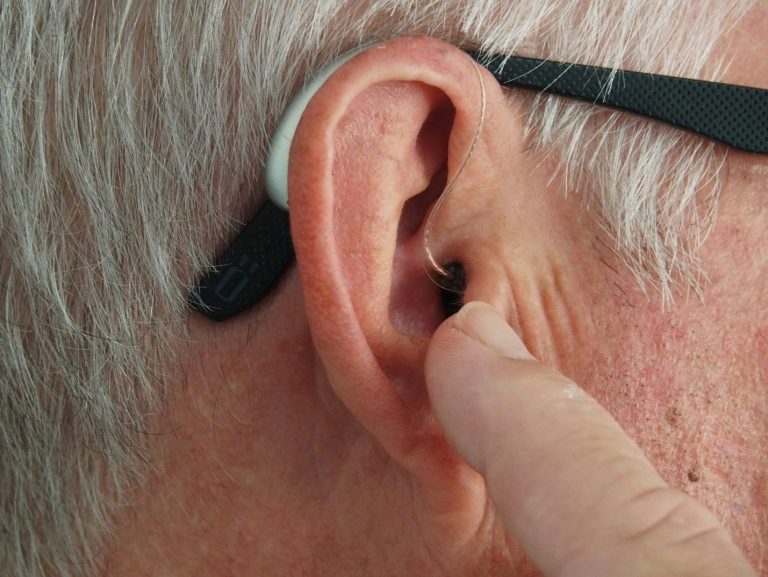
Hearing changes often happen gradually, which makes them easy to overlook at first. A loved one may turn up the television volume, ask others to repeat themselves, or step back from conversations during family gatherings. These shifts can feel small in the moment, yet they affect daily life in meaningful ways.
Palm Springs is home to many older adults who value connection, routine, and community. Families here understand how important it is to preserve the quality of life as loved ones age. Hearing illnesses can interrupt that rhythm, but thoughtful support helps restore balance. Honest conversations, professional guidance, and simple adjustments at home can make a steady difference. Clear hearing allows older adults to stay engaged with friends, participate in activities, and maintain independence.
Early Signs of Hearing Loss
Subtle communication changes usually appear before a formal diagnosis. A parent might respond in ways that do not match the question asked. Group conversations may become tiring, especially in busy restaurants or social gatherings. Misunderstandings increase, which can lead to frustration on both sides.
Many older adults downplay these signs. Pride and fear of appearing dependent can prevent them from speaking openly about their struggles. Family members should observe patterns rather than isolated moments. Repeated difficulty hearing high-pitched voices, trouble following conversations over the phone, and frequent requests for repetition often signal more than distraction.
Professional Hearing Care and Local Expertise
Accurate evaluation forms the foundation of effective treatment. Hearing loss varies in severity and cause, which makes professional testing essential. Comprehensive assessments identify the type of hearing issue and guide appropriate recommendations. Reliable local support makes the process less stressful for families.
If you’re looking for reliable hearing aid specialists Palm Springs has several experienced clinics that provide personalized fittings and dependable follow-up care. These professionals also offer thorough testing and practical solutions tailored to different levels of hearing loss. Professional care extends beyond the initial appointment. Proper device fitting improves clarity and comfort, while follow-up visits ensure adjustments match changing needs. Consistent support reassures older adults that they are not navigating this shift alone.
Communication Strategies That Strengthen Connection
Simple communication habits can ease tension at home. Facing your loved one while speaking allows them to pick up visual cues. Speaking clearly at a steady pace supports understanding more than raising your voice. Short sentences help conversations stay focused.
Background noise often interferes with clarity. Turning off the television during discussions or choosing quieter restaurants reduces strain. Good lighting also supports lip reading and facial expressions, which naturally complement speech. Patience remains essential. Repeating information without showing frustration protects dignity.
Emotional Impact of Hearing Challenges
Hearing loss influences more than conversation. Social withdrawal can develop when group settings become exhausting. Some older adults begin declining invitations because they feel embarrassed about asking others to repeat themselves. Over time, isolation can affect mood and confidence.
Families play a vital role in restoring reassurance. Honest reassurance, consistent inclusion, and steady encouragement help rebuild comfort in social spaces. Loved ones benefit from knowing their needs are understood and respected. Professional support also addresses emotional strain. Providers who approach care with empathy create a safe environment for discussing concerns.
Technology That Improves Daily Life
Modern hearing technology offers practical solutions that blend into daily routines. Hearing aids today are smaller, more precise, and designed to adapt to different sound environments. Many devices adjust automatically between quiet rooms and busier settings.
Proper fitting determines comfort and effectiveness. A well-calibrated device reduces background noise while amplifying speech clearly. Regular adjustments maintain performance as hearing patterns shift over time. Assistive listening tools further support daily activities. Devices that connect to phones or televisions enhance clarity during calls and entertainment.
Home Environment Adjustments
Comfort at home plays a major role in hearing success. Small changes in layout and routine can make conversations easier and less tiring. Soft furnishings such as rugs and curtains help absorb excess noise, which improves overall sound clarity. Hard surfaces tend to create echoes that make speech harder to follow.
Seating arrangements also matter. Positioning chairs so everyone faces one another allows visual cues to support spoken words. Good lighting enhances facial expressions and lip movements, which naturally strengthen understanding. Evening conversations feel smoother when rooms are well-lit rather than dim. Reducing background noise during important discussions makes a noticeable difference.
Preventive Care and Ongoing Monitoring
Hearing health requires steady attention. Regular evaluations allow professionals to track changes and recommend timely adjustments. Small shifts in hearing ability may not feel dramatic, yet early intervention prevents unnecessary frustration.
Lifestyle choices influence long-term hearing strength. Protecting ears from excessive noise, managing chronic health conditions, and following medical advice support overall stability. Routine care appointments reinforce the idea that hearing health deserves the same attention as vision or dental care. Open communication within the family also supports monitoring. Loved ones should feel comfortable sharing when sounds seem unclear or when devices feel uncomfortable. Honest updates allow adjustments before minor issues grow into larger concerns.
Encouraging Independence and Confidence
Support works best when it empowers rather than restricts. Aging loved ones benefit from taking an active role in their hearing care. Managing appointments, learning how to clean devices, and understanding basic troubleshooting steps build self-assurance.
Social engagement strengthens confidence. Encouraging participation in hobbies, community events, and family gatherings reinforces connection. Clear hearing opens the door to meaningful conversations and shared experiences. Respect remains central to this process. Gentle reminders and steady encouragement preserve dignity during moments of adjustment. Celebrating improvements, even small ones, reinforces progress and motivation.
Hearing health shapes how aging loved ones experience the world around them. Conversations feel richer, relationships grow stronger, and daily routines become easier when sound is clear and reliable. Families who stay attentive to early signs and respond with steady support create a foundation for lasting well-being.
Professional care, practical communication habits, and small home adjustments all contribute to meaningful progress. Emotional reassurance matters just as much as technology. Older adults thrive when they feel heard, respected, and included.
