


According to the American College of Prosthodontists, roughly 120 million adults in the United States have lost at least one tooth, and more than 36 million live with complete tooth loss in one or both jaws. Despite these numbers, many individuals put off treatment because they view tooth replacement as an optional cosmetic repair rather than an essential medical procedure.
Postponing care sets off a quiet chain reaction beneath the gumline. Nearby teeth gradually drift into the vacant space, the opposing tooth moves out of alignment, and the surrounding jawbone shrinks due to a lack of root stimulation. What begins as a single gap can eventually alter your entire bite, facial shape, and ability to chew comfortably.
This guide explains how tooth loss impacts your oral anatomy, compares the primary restoration options available today, and outlines the practical steps involved in permanent tooth replacement.
The Biological Consequences of Untreated Tooth Loss
When a natural tooth root is extracted or lost, the surrounding bone section loses its primary source of physical stimulation. Bone tissue relies on the mechanical pressure of chewing to trigger continuous cellular renewal. Without those daily micro-forces, the alveolar bone begins to resorb rapidly, losing up to 25% of its total width within the first twelve months after tooth loss.
This structural decay causes several distinct problems across the entire mouth:
- Tooth Displacement: Neighboring teeth tip and drift into the open gap. This movement creates narrow, hard-to-reach pockets where plaque collects, raising the risk of localized decay and gum infections.
- Bite Collapse and Joint Pain: As teeth shift out of position, the upper and lower arches no longer fit together correctly. This misalignment forces jaw muscles to compensate, leading to uneven enamel wear, chronic headaches, and temporomandibular joint (TMJ) discomfort.
- Changes in Facial Appearance: The jawbone provides the internal framework for lower facial tissues. Significant bone loss causes cheeks to hollow out and the mouth area to sink inward, altering facial proportions over time.
Addressing a gap promptly stops this cycle before structural damage spreads to healthy adjacent teeth.
Evaluating Restoration Options: Dentures, Bridges, and Implants
Patients looking to replace lost teeth generally choose between three standard treatment approaches: removable appliances, fixed bridges, and dental implants. Each option addresses functional needs differently, with varying effects on jawbone preservation and long-term maintenance.
Removable Partial or Full Dentures
Traditional dentures sit directly on top of the gum tissue and rely on suction or metal clasps for retention. While they offer an economical initial fix for multiple gaps, dentures do not stimulate the underlying bone. As the jawbone continues to shrink over time, dentures lose their snug fit, leading to sore spots, slippage, and frequent adjustment visits.
Fixed Dental Bridges
A dental bridge spans the gap by placing crowns on the healthy teeth on either side of the space. Bridges restore chewing ability and prevent adjacent teeth from shifting. However, installing a bridge requires permanently removing healthy enamel from those neighboring anchor teeth. Furthermore, the bridge leaves the underlying bone unstimulated.
Dental Implants
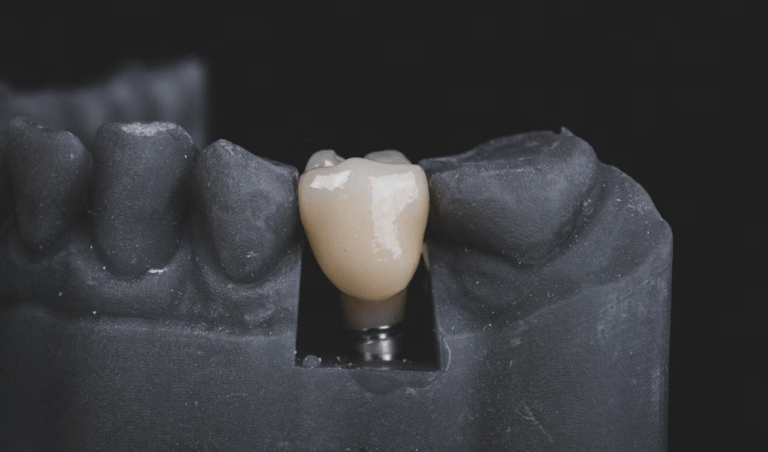
An implant consists of a titanium post placed directly into the jawbone, serving as a replacement tooth root. Over a few months, bone tissue integrates directly with the titanium post. This creates a stable anchor for a custom crown while preserving neighboring teeth and stopping bone resorption at the site.
When evaluating long-term options to replace lost teeth, consulting an experienced dental professional is essential for evaluating bone density and tissue health. For instance, exploring options for dental implants in Springfield VA helps local patients review personalized treatment plans, 3D imaging options, and potential bone grafting needs before beginning care.
The Treatment Process: From Planning to Long-Term Care
Getting a dental implant involves a structured process aimed at long-term stability and precise placement.
1. Diagnostic Planning
The dentist uses 3D Cone Beam Computed Tomography (CBCT) scans to evaluate jawbone height, bone width, and nerve pathways. If the jawbone is too thin to support an implant, a preliminary bone graft rebuilds the area.
2. Post Placement
The titanium post is surgically placed into the jawbone during a routine outpatient visit under local anesthesia.
3. Integration Phase
Over three to six months, natural bone fuses with the implant surface through osseointegration. Patients often wear a temporary restoration during this healing window.
4. Final Restoration
Once fully integrated, an abutment connects the implant post to a custom ceramic crown matched to the exact shade and shape of surrounding teeth.
Caring for an implant requires standard oral hygiene: brushing twice daily, flossing around the restoration, and scheduling routine professional cleanings to keep surrounding gum tissue healthy.
Preserving Your Smile for the Future
Replacing lost teeth does far more than restore your smile—it protects your jaw structure, keeps remaining teeth aligned, and preserves basic bite mechanics. While bridges and dentures offer practical short-term fixes, permanent root replacements offer unmatched stability and bone protection.
Taking action early prevents complex anatomical changes that make future care more complicated. If you are living with an untreated gap or struggling with an ill-fitting partial denture, scheduling an evaluation is the best way to explore your options. Have you considered replacing a lost tooth, or do you have questions about what treatment involves? Share your thoughts and experiences in the comments below.
