


Wellness plans often fail because they demand too many decisions during an already crowded day. A simpler approach focuses on three practical habits: protect your skin, move most days, and recover each night. This framework is specific enough to guide daily choices but flexible enough to maintain over time.
Key Takeaways
- Focus on three pillars. Sun protection, regular movement, and consistent recovery provide a manageable foundation for a daily routine.
- Combine sunscreen with protective clothing. Use broad-spectrum, water-resistant sunscreen with SPF 30 or higher, and reapply it at least every two hours. UPF 50 clothing blocks about 98% of UV radiation.
- Set a realistic movement target. The CDC recommends at least 150 minutes of moderate aerobic activity each week, plus two days of muscle-strengthening work. Short sessions count.
- Treat recovery as part of training. Adults should generally aim for seven or more hours of sleep each night.
- Use heat and cold carefully. Cold-water immersion may reduce post-exercise soreness, but protocols vary and cardiovascular risks deserve attention.
The three-part daily framework
Each part of the framework has a measurable baseline, making progress easier to judge than a vague goal of becoming healthier.
- Protect. Use sun protection when the UV Index is 3 or higher, which is the World Health Organization’s threshold for protective action.
- Move. Work toward 150 minutes of moderate aerobic activity and two strengthening sessions each week.
- Recover. Aim for at least seven hours of sleep, with light activity on non-training days.
These are population-level guidelines, not individual prescriptions. Pregnancy, cardiovascular disease, photosensitizing medications, recent surgery, and other health factors may change what is appropriate. Anyone with a relevant medical history should consult a clinician before increasing training or trying a heat or cold routine.
Sun protection essentials you will actually use
Apply and reapply sunscreen
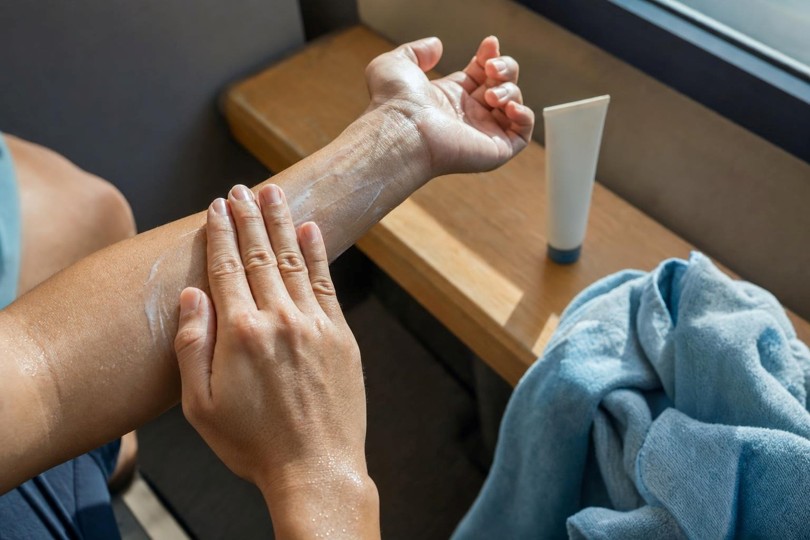
Choose a broad-spectrum, water-resistant sunscreen with SPF 30 or higher. Most adults need about 1 ounce (roughly 30 mL) to cover exposed skin from head to toe. Reapply it every two hours and after swimming or heavy sweating. Commonly missed areas include the ears, hairline, back of the neck, tops of the feet, and lips.
Use clothing for dependable coverage
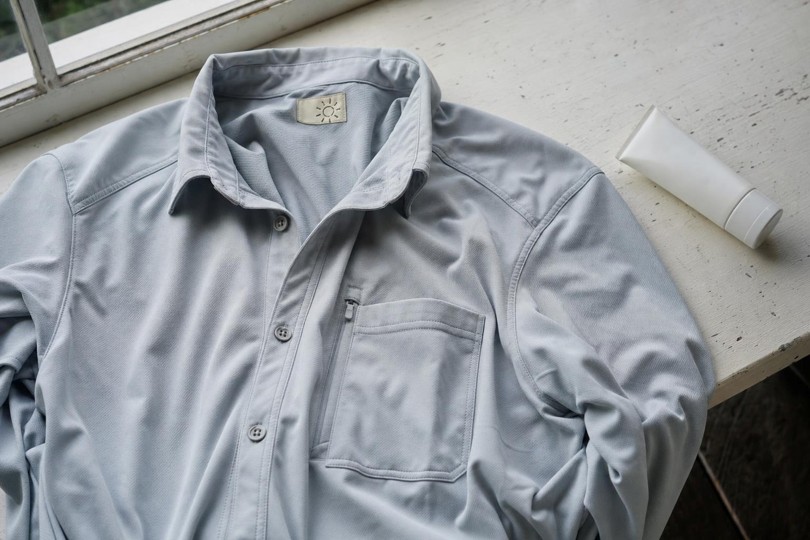
Protective fabric does not wear off or require reapplication. A garment rated UPF 50 blocks about 98% of UV radiation. A UPF long-sleeve shirt, wide-brimmed hat, and UV-blocking sunglasses can cover areas that are difficult to protect during long periods outdoors.
Check the forecast and read the label
Review the UV Index before outdoor activities. Protection becomes important at an index of 3, and the need increases as the number rises. Check heat alerts as well, especially before midday exercise.
Labels vary by market. U.S. products use the phrase “broad spectrum,” while many imported products use a PA rating to describe UVA protection. If you shop internationally for lighter textures, browsing koreanische sonnencreme listings through a cross-border retailer such as Stylevana can provide access to a wider range of formulas. The same selection criteria still apply: look for broad-spectrum protection, SPF 30 or higher, and water resistance when you expect to sweat. Because Stylevana carries products labeled for different markets, check the filter list, directions, and expiration date instead of relying on marketing language.
Efficient fitness: the minimum effective week
The CDC baseline is easier to reach when movement is not treated as a gym-only activity. One practical pattern is five 30-minute brisk walks and two 20-minute full-body strength sessions. If needed, a walk can be divided into shorter segments throughout the day.
For strength training, cover major movement patterns such as a squat, hinge, push, pull, and carry. Two sessions can meet the weekly recommendation when they challenge the major muscle groups. Older adults and people with an increased risk of falling may also benefit from balance and flexibility exercises.
At this stage, consistency matters more than a complicated program. Block sessions on your calendar as you would a meeting. Pair a walk with a commute or lunch break so it does not require a separate trip. Keep a short written plan instead of a detailed log. On a difficult day, a 10- or 12-minute walk still supports the habit.
Recovery that supports adaptation
Sleep is one of the most useful recovery tools, and shift work can make it difficult to protect. Adults should generally aim for seven or more hours. A consistent wind-down routine, a dark and cool room, and an earlier caffeine cutoff can make that target easier to reach. If your shifts rotate, keep the wind-down sequence consistent even when bedtime changes.
Use plain water as the default for hydration. Coffee and tea also contribute to fluid intake for most people. Up to 400 mg of caffeine per day, roughly the amount in four 8-ounce (240 mL) cups of brewed coffee, is generally considered moderate for healthy adults. Individual tolerance varies, and caffeine late in the day may interfere with sleep.
When soreness appears, begin with basic measures: adequate food and protein, gentle movement, and an easy walk on a rest day. Typical post-exercise soreness usually improves on its own, and light activity often feels better than complete inactivity.
Hot and cold options: evidence and safety
A Cochrane review found that cold-water immersion may reduce delayed-onset muscle soreness after exercise. However, the best temperature, duration, and timing remain unclear, and safety has not been studied as closely. This makes cold immersion an optional recovery tool, not a general health requirement. Claims that saunas or cold plunges detoxify the body or prevent illness are not well established.
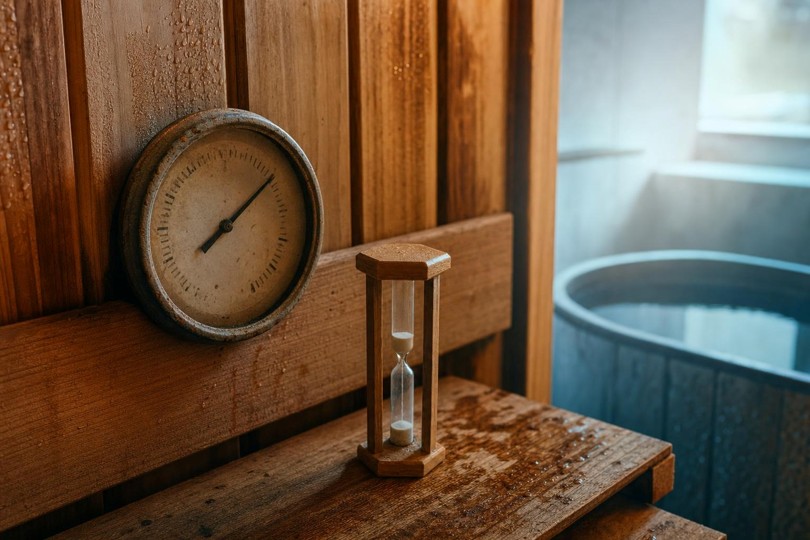
Safety matters more than an exact protocol. Cold plunges can raise blood pressure and cardiac workload, creating risks for people with heart conditions or a history of stroke. Keep sessions brief, and stop if you feel dizzy, faint, or numb. Do not combine extreme heat or cold with alcohol. Rehydrate after sauna use and allow the body to cool gradually. Because immediate cold exposure may reduce some strength-training adaptations, consider scheduling it away from demanding lifting sessions.
Facilities differ by location. In Hong Kong, readers who prefer a managed setting to a home setup might consider a fitness center with sauna such as The Clubhouse. Its Recharge Suite includes a traditional sauna and two cold-plunge barrels. The Clubhouse offers these amenities in one setting, but supervision does not remove personal health risks. Anyone with cardiovascular concerns should speak with a clinician first.
A 10-minute morning and evening routine
In the morning, take about five minutes to check the UV Index, apply sunscreen to the face, ears, neck, and hands, and decide when the day’s movement will happen. If you will be outside for more than a short errand, place your UPF shirt and hat by the door.
In the evening, spend about five minutes on two or three gentle mobility movements for the hips and shoulders, put screens away, and begin a consistent bedtime routine. Set out tomorrow’s hat, sunscreen, and training shoes. The goal is not a perfect routine. It is to remove the small obstacles that make healthy choices harder.
A one-week template
Plan the week before it starts. Schedule brisk walks on five days, strength sessions on two nonconsecutive days, and an easier day after the more demanding workout. Tie sun protection to activities rather than clock times: every outdoor session requires sunscreen and a hat, while midday sessions also require a UV Index check.
Common mistakes to avoid
- Relying on sunscreen alone and skipping hats or UPF clothing during long periods outdoors.
- Applying sunscreen once in the morning without reapplying it later.
- Doing only cardio and leaving out strength training.
- Buying imported formulas from Stylevana or another retailer without checking the protection level, directions, and expiration date.
- Staying in cold water longer than necessary or using heat and cold without medical guidance when a health condition warrants caution.
- Treating sleep as the flexible part of the plan.
The takeaway
Protect your skin daily, move most days, and recover each night. Consistency at a manageable level is more useful than occasional bursts of intensity. Keep the basic guidelines in view, adjust them for your health history and medications, and treat optional recovery tools as extras. The most effective routine is one you can repeat even on a busy or tiring day.
