


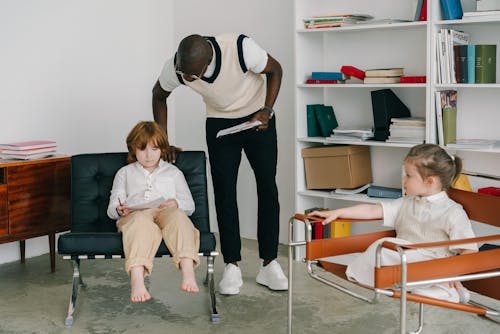
Communication plays a major role in nearly every part of a child’s life. It affects how children express emotions, build friendships, ask for help, follow instructions, and participate in school or family activities. When communication challenges appear early in childhood, they can sometimes lead to frustration, behavior struggles, and difficulty connecting with others if support is delayed.
Every child develops differently, and communication delays do not always look the same from one child to another. Some children may struggle with speech, while others may have difficulty understanding language, maintaining eye contact, expressing emotions, or participating in social interaction. Because of this, early support often becomes an important step in helping children build stronger communication skills over time.
Families today have access to many different types of early intervention services designed to support communication development in natural and structured ways. These programs often combine speech support, behavioral strategies, social interaction activities, and parent involvement to help children gain confidence in everyday communication.
The earlier communication challenges are identified, the more opportunities children usually have to strengthen important social and language skills during their developmental years.
Early Support Creates a Strong Foundation for Communication
The early childhood years are extremely important for language, learning, and emotional development. During this stage, children are constantly building the skills they use to interact with parents, teachers, classmates, and the world around them. When communication challenges are addressed early, children often gain more opportunities to practice and strengthen these skills before frustration and social difficulties increase.
Many families seek support through a professional autism therapy center because structured therapy programs can provide individualized communication support, behavior-focused learning strategies, social interaction opportunities, and early intervention services that help children improve communication skills in both home and community settings. These supportive environments are often designed to meet children at their current developmental level while helping them gradually build stronger communication habits over time.
Communication development affects far more than speech alone. It also influences emotional regulation, relationship building, classroom participation, and overall confidence. Children who struggle to express needs or emotions may become frustrated more easily because they cannot clearly communicate what they are thinking or feeling.
Early intervention programs often include speech therapy, behavioral support, play-based learning, and parent coaching to encourage communication growth from multiple angles. The goal is not simply to teach words. It is helping children communicate more comfortably in everyday life.
The earlier these challenges are identified, the easier it often becomes to create consistent support strategies that encourage progress gradually over time.
Communication Challenges Can Look Different for Every Child
Communication difficulties are not always obvious at first. Some children may speak very little, while others speak often but struggle with social interaction or understanding certain types of communication.
Parents sometimes notice delayed speech development, difficulty maintaining eye contact, limited social engagement, repetitive phrases, or challenges following directions. Other children may understand language well but struggle to express thoughts clearly during conversations.
Every child communicates differently, which is why comparisons between children can sometimes delay important support. A child may appear quiet or shy when there are actually underlying communication challenges affecting daily interaction.
Early evaluations help professionals better understand a child’s strengths and areas that may need additional support. These evaluations often look at verbal communication, nonverbal interaction, social behavior, listening skills, and emotional responses.
Recognizing communication difficulties early creates more opportunities to build healthy habits before academic or social pressures increase later.
Speech and Language Therapy Builds Everyday Skills
Speech and language therapy helps children strengthen communication skills step by step through structured activities and guided interaction. These sessions are often designed to feel engaging and supportive rather than overwhelming.
Therapists may work on expanding vocabulary, improving pronunciation, building sentence structure, strengthening listening skills, or helping children understand body language and social cues. Some children focus more on expressive communication, while others need support with comprehension or conversational interaction.
Many therapy sessions include games, storytelling, visual tools, role-playing activities, and interactive exercises that encourage communication naturally. Repetition and consistency play a major role in helping children build confidence over time.
Communication skills also improve faster when strategies are practiced outside therapy sessions. Children benefit when parents, teachers, and caregivers use similar communication approaches throughout daily routines.
Early Intervention Supports Long-Term Growth
Strong communication skills affect nearly every area of life later on. Children who build confidence in communicating often experience improved classroom participation, stronger friendships, better emotional expression, and greater independence over time.
Early intervention does not simply focus on speech. It supports overall development by helping children connect more comfortably with the people and environments around them.
The earlier children receive appropriate support, the more opportunities they have to strengthen communication habits during critical developmental years.
Speech therapy, behavioral support, social interaction, visual tools, and parent involvement all work together to encourage communication growth in everyday life. Every child develops differently, but consistent support often creates positive long-term progress.
With patience, guidance, and the right learning environment, children can continue building communication skills that support stronger relationships, greater independence, and more confident participation in the world around them.
