


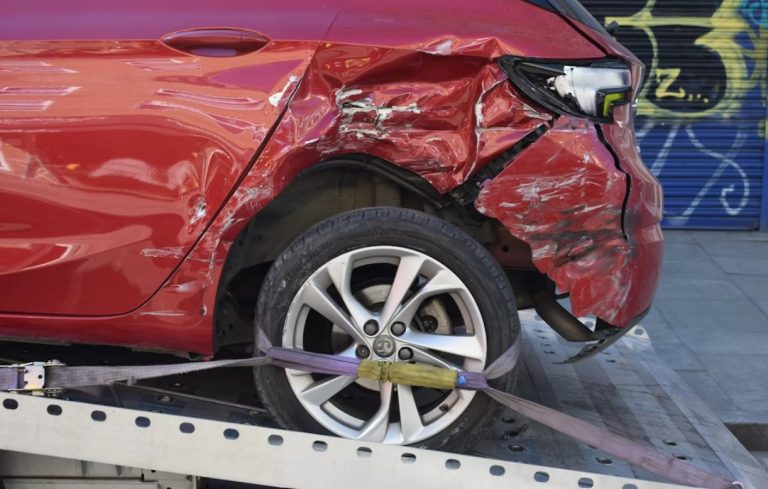
After a car accident, it is common for people to focus on visible damage to their vehicle while overlooking potential injuries. However, many accident-related conditions do not show symptoms immediately. Neck pain, back pain, headaches, and soft tissue injuries can take hours or even days to appear. Seeking care from experienced car accident doctors as soon as possible can help identify injuries early and support a smoother recovery process.
Why Immediate Medical Evaluation Matters
Even if you feel relatively fine after a collision, a medical evaluation is important. Certain injuries, including whiplash, spinal injuries, nerve damage, and soft tissue trauma, may not be obvious right away. Early diagnosis can help prevent minor issues from developing into chronic conditions.
Prompt treatment may also help:
- Document injuries related to the accident
- Identify hidden conditions before symptoms worsen
- Create a personalized recovery plan
- Improve long-term mobility and function
Medical records created soon after an accident can also provide important documentation of injuries and treatment.
Types of Car Accident Doctors
Recovering from an accident often requires care from multiple healthcare professionals. Depending on the nature of the injury, treatment may involve specialists from different fields.
Chiropractors
Chiropractors commonly treat accident-related injuries involving the spine, muscles, and joints. They may use spinal adjustments, soft tissue therapy, and rehabilitation techniques to help improve mobility and reduce discomfort.
Orthopedic Specialists
Orthopedic doctors focus on injuries affecting bones, joints, ligaments, tendons, and muscles. They often treat fractures, joint injuries, and other musculoskeletal conditions resulting from a collision.
Neurologists
Accidents can sometimes cause concussions, nerve damage, or other neurological issues. Neurologists evaluate symptoms such as headaches, dizziness, numbness, and nerve-related pain.
Physical Therapists
Physical therapy often plays an important role in rehabilitation. Treatment programs may focus on restoring strength, flexibility, balance, and overall function after an injury.
Diagnostic Tools for Accurate Treatment
A proper diagnosis is the foundation of effective treatment. Car accident doctors may use diagnostic imaging to evaluate injuries that are not visible during a physical examination.
Common diagnostic tools include:
- X-rays for fractures and joint injuries
- MRI scans for soft tissue and spinal injuries
- CT scans for more detailed internal imaging
Advanced imaging can help identify conditions that might otherwise go undetected.
Common Injuries Treated After a Car Accident
The force generated during a collision can affect multiple areas of the body. Car accident doctors frequently treat:
- Whiplash
- Neck and back pain
- Herniated or bulging discs
- Shoulder injuries
- Soft tissue damage
- Headaches and migraines
- Numbness and tingling
- Joint pain and inflammation
Because symptoms vary from person to person, treatment plans are often customized based on the specific injuries involved.
A Personalized Approach to Recovery
No two accidents are exactly alike. Treatment plans are typically developed after a thorough evaluation and may include a combination of chiropractic care, physical therapy, medical treatment, and specialist referrals when needed. The goal is not only to reduce pain but also to restore normal movement and support long-term recovery.
Recovery often involves ongoing monitoring and adjustments to the treatment plan as healing progresses. This approach helps ensure that patients receive the appropriate level of care throughout the recovery process.
Taking the First Step Toward Recovery
Seeking care after an accident is one of the most important steps you can take for your health. Even seemingly minor collisions can result in injuries that worsen over time if left untreated. Car accident doctors can evaluate your condition, identify hidden injuries, and create a treatment plan designed to support a safe and effective recovery.
By addressing injuries early and following a structured treatment plan, individuals may improve their chances of returning to normal activities while reducing the risk of long-term complications.
