


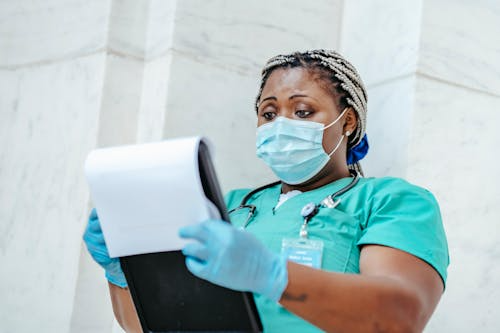
Have you ever wondered why one hospital visit feels smooth and reassuring while another leaves you confused and uneasy? The answer often comes down to the people behind the scenes. Skilled professionals shape every part of modern healthcare, from diagnosis to recovery. As technology grows and patient needs change, their role becomes even more critical. Understanding their impact helps explain why healthcare outcomes vary so widely across systems and communities today.
The Expanding Role of Skilled Professionals
Modern healthcare is no longer just about doctors and nurses. It now includes data analysts, lab technologists, mental health counselors, and care coordinators who ensure patients move through complex systems without getting lost. Their combined expertise creates a network where each decision affects outcomes in real time.
The COVID-19 pandemic made this clearer than ever. Hospitals depended on respiratory therapists, epidemiologists, and supply chain experts just as much as physicians. Without these skilled professionals, even the most advanced equipment would have sat unused, highlighting that healthcare success relies on people, not just tools.
Education as the Backbone of Quality Care
Healthcare workers cannot rely on outdated knowledge because medical science evolves rapidly. Continuous education allows professionals to adopt new treatments, interpret emerging research, and improve patient outcomes. This need has pushed many workers to pursue flexible learning options, including programs like a master’s in health science online, which allow them to balance work and study.
These programs also reflect a broader societal shift toward lifelong learning. As telehealth expands and artificial intelligence enters clinical settings, professionals must understand both technology and human care. Investing in education ensures they can adapt rather than fall behind in a system that rarely slows down.
Technology Meets Human Expertise
Healthcare technology has advanced at a stunning pace, from wearable devices to robotic surgeries. Yet technology alone cannot make decisions that account for human emotions, cultural differences, or ethical concerns. Skilled professionals bridge this gap by interpreting data and applying it in meaningful ways.
Consider electronic health records, which were meant to simplify care but often overwhelm providers with information. A trained clinician knows how to filter relevant details and communicate them clearly to patients. This balance between data and judgment prevents errors and builds trust, which machines cannot replicate.
Communication as a Clinical Skill
Good communication is often overlooked in discussions about healthcare, yet it can determine whether a patient follows treatment or ignores it. Skilled professionals know how to explain complex conditions in simple terms, helping patients feel informed rather than intimidated.
This became especially important during public health crises when misinformation spread quickly online. Healthcare workers who communicated clearly helped counter fear and confusion. Their ability to connect with patients on a personal level turned medical advice into action, improving outcomes across entire communities.
Addressing Workforce Shortages
The United States is currently facing a shortage of healthcare workers, particularly in rural and underserved areas. Skilled professionals are being stretched thin, which increases burnout and affects patient care. This shortage is not just a staffing issue; it is a systemic challenge that requires long-term planning.
To address this, healthcare systems are investing in training programs, offering loan forgiveness, and expanding roles for nurse practitioners and physician assistants. These strategies aim to distribute expertise more evenly, ensuring that quality care does not depend on geography alone.
Cultural Competence and Patient Trust
Healthcare is deeply personal, and patients are more likely to trust providers who understand their cultural background. Skilled professionals who develop cultural competence can tailor care to individual needs, improving both satisfaction and outcomes.
This is particularly important in a diverse country like the United States, where language barriers and cultural differences can lead to misunderstandings. Professionals who take the time to learn about their patients’ perspectives create stronger relationships, which in turn leads to better adherence to treatment plans.
The Economic Impact of Skilled Healthcare Workers
Healthcare is one of the largest sectors in the U.S. economy, and skilled professionals play a major role in its efficiency. When care is delivered correctly the first time, it reduces costly hospital readmissions and unnecessary procedures.
On a broader scale, a healthy population supports economic growth. Workers who receive proper care return to their jobs faster and contribute more effectively. This creates a ripple effect where skilled healthcare professionals indirectly support industries far beyond medicine.
Burnout, Resilience, and the Human Cost of Care
Behind every successful treatment is a professional who may be quietly managing stress, long hours, and emotional strain. Burnout has become a major issue in healthcare, especially after recent global crises pushed systems to their limits. Skilled professionals are not immune to exhaustion, and when they are overworked, patient care can suffer in subtle but serious ways.
Hospitals are beginning to respond with mental health support, flexible scheduling, and team-based care models. These changes aim to protect both providers and patients. Building resilience is not just about individual strength; it requires systems that recognize the human limits of even the most dedicated professionals.
Preparing for Future Challenges
The future of healthcare will bring new challenges, including aging populations, emerging diseases, and climate-related health issues. Skilled professionals must be prepared to respond to these changes with flexibility and innovation.
Training programs are beginning to focus on interdisciplinary skills, encouraging collaboration across fields. For example, a clinician might work alongside a data scientist to predict disease outbreaks or with a social worker to address environmental factors affecting health. This collaborative approach ensures that healthcare systems remain resilient in the face of uncertainty.
Skilled professionals are the backbone of modern healthcare, shaping experiences that range from routine checkups to life-saving interventions. Their expertise, adaptability, and human connection make the difference between systems that merely function and those that truly care for people.
