


Imagine you need to visit a doctor every week just to stay alive, but you have no way to reach the hospital. For many people in America who have rare diseases, this is their real life. Transportation may seem like a small issue, but for someone who is very sick, it can decide if they get better or worse.
The Hidden Problem Nobody Talks About
When we think about healthcare, we usually think about doctors, hospitals, and medicine. But there is another important part that people often forget. It is getting to the doctor. This problem affects many people, but it is even harder for those who have rare or heart diseases.
A rare disease is a condition that affects a small number of people. In the United States, it means fewer than 200,000 people have that disease. Even though each disease is rare, there are thousands of them. Together, they affect about 30 million Americans, which is about one out of every ten people. These patients often need to visit special doctors who may live far away. They also need regular treatment, check-ups, and ongoing care to stay healthy.
The problem is that many of these patients cannot drive themselves. Some are too sick, and some do not have a car. Even if they do have a car, the cost of fuel, parking, and car damage can become very expensive, especially if they need to visit the doctor many times each week.
How Big Is This Problem?
The numbers are very surprising. Research from medical journals shows that about 3.6 million people in the United States miss or delay medical care every year because they do not have transportation. That is more people than the whole city of Chicago. All of them are missing doctor visits just because they cannot get there.
Experts who study healthcare say that transportation problems cause 25% or more missed medical appointments. This means that one out of every four empty seats in a doctor’s waiting room are empty because someone could not find a ride.
One study in the Journal of Community Health looked at parents taking their children to the doctor. It found that 25% of patients missed appointments because of transportation issues. Another study looked at families who had already missed visits. It found that 51% of them said transportation was the main reason they could not go.
For people with rare or neurological diseases, missing even one appointment can be very risky. These patients often need careful and regular checkups. If they miss a few visits, their health can get worse quickly.
What Happens When People Can’t Get to the Doctor?

Missing medical appointments is not just a small problem. It can be very dangerous. When people with long-term or rare diseases miss their appointments, many bad things can happen.
Their illness can get worse. Without regular check-ups, doctors cannot find problems early. A small problem can turn into a serious emergency.
They may have to go to the emergency room. When people cannot visit their regular doctor, they often wait too long. When their condition becomes very serious, they have no choice but to go to the emergency room, which is more expensive.
They may not get their medicine. Many patients with rare diseases need special medicines and regular check-ups. If they cannot travel to the doctor or pharmacy, they might run out of the medicine they need to stay alive.
They can feel hopeless. Imagine being sick and knowing what can help you, but you cannot reach it. It can make people feel very sad and frustrated. Some people even stop trying.
Research shows that when people cannot reach their doctors because of transportation problems, their health becomes worse and their lives become harder.
Who Gets Hit Hardest?
Transportation problems do not affect everyone in the same way. Some people face bigger challenges than others.
Low-income families may not have enough money to own a reliable car. They often depend on buses or trains, which may not go to hospitals or may take a very long time to get there.
Older people may not be able to drive because of poor eyesight, slower reactions, or other health issues. But they are the ones who often need medical care the most.
People living in rural areas have to travel long distances to see doctors. Someone in a city might reach a hospital in 15 minutes, but a person in a rural area may need to travel for an hour or even more.
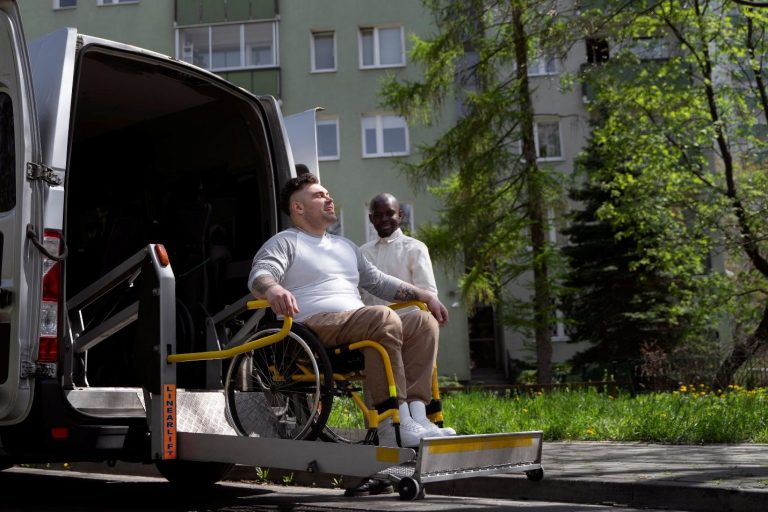
People with disabilities may need special vehicles, such as ones with wheelchair access, which regular cars do not provide.
For people with rare diseases, these problems are even bigger. They often need to visit special doctors who only work in big hospitals in large cities. For example, a patient living in a small town might need to travel several hours to reach the right specialist.
NEMT: The Solution You’ve Never Heard Of
This is where NEMT comes in. NEMT means Non-Emergency Medical Transportation. It is simply a service that helps people get medical appointments that are not urgent.
NEMT is not the same as an ambulance. Ambulances are used for emergencies like heart attacks, broken bones, or serious accidents. NEMT is used for normal doctor visits, therapy sessions, dialysis, and other planned medical care. The vehicles can be cars, vans, or special vehicles for people who use wheelchairs.
Here is how it works. A patient calls for a NEMT service and books for a ride to their appointment. On the day of the visit, a driver comes to their home, takes them to the doctor, waits for them, and then brings them back home. This service is made for people who cannot use regular transport but do not need an ambulance.
The Science Behind NEMT’s Success
Medical researchers have studied NEMT programs to see if they really help people. The answer is yes.
A review of many studies found that when patients get help with transportation, they miss fewer doctor appointments. This means if people have a ride to the doctor, they are more likely to go. It may sound simple, but scientific proof is important.
The researchers also said they could not fully prove that NEMT always improves health in every case. However, they believe that when patients attend their appointments, their health should improve. This makes sense because people cannot get better if they do not visit their doctor.
Another study looked at newer NEMT programs that use app-based ride services, like Uber or Lyft, but made for medical trips. The study found that these services can cost less than traditional ones and give patients a better experience.
For people with rare diseases, this is very helpful. NEMT not only helps them reach their appointments, but it may also reduce healthcare costs by preventing serious problems that could lead to hospital visits.
Real Ways NEMT Helps Rare Disease Patients
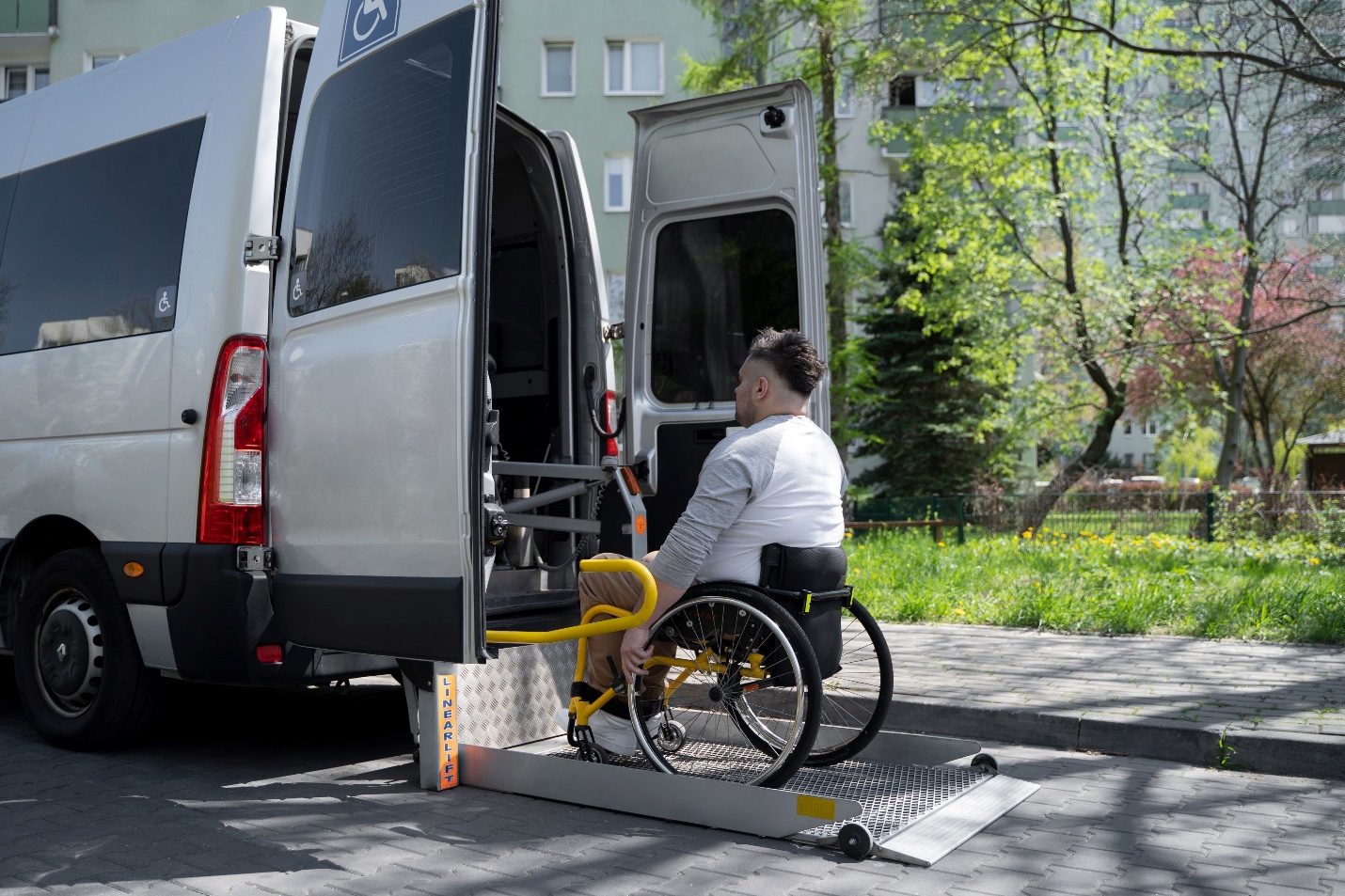
For someone living with a rare disease, non-emergency medical transportation (NEMT) can make a big difference in their life. Here are some simple ways it helps:
Regular care. People with rare diseases often need treatment on a strict schedule. This can include weekly treatments, monthly checkups, or regular therapy. NEMT helps them reach their appointments on time, so they don’t miss important care.
Seeing the right doctor. Some rare diseases are very uncommon, and only a few doctors know how to treat them. NEMT helps patients travel long distances to visit these specialists.
Less stress. Living with a rare disease can already feel overwhelming. NEMT takes away the worry of finding a ride, which helps patients feel more relaxed.
Support from the family. Many patients, especially children, need a family member to go with them. NEMT vehicles have space for both patients and a caregiver.
Carrying medical equipment. Some patients need special equipment like oxygen tanks or mobility aids. NEMT vehicles are designed to carry this equipment safely.
How NEMT Programs Work
Most NEMT (Non-Emergency Medical Transportation) services work through Medicaid, which is a government health insurance program for people with low income or disabilities. The law says that Medicaid must provide these transportation services so patients can go to their medical appointments.
Here is how a normal NEMT trip works:
Scheduling:
The patient, or their doctor, calls the NEMT service at least one day before the appointment. They share details like where they need to go and if they have any special needs.
Assignment:
The NEMT Company chooses the right driver and vehicle for the patient. For example, a person using a wheelchair will get a wheelchair-friendly van. A person who needs oxygen will get a driver who knows how to handle medical equipment.
Pickup:
The driver comes to the patient’s home on time and helps them get into the vehicle safely.
Transport:
The driver takes the patient to their appointment and can help them get inside the building if needed.
Return Trip:
After the appointment, the driver brings the patient back home and makes sure they get inside safely.
Some newer NEMT services now use smartphone apps. These apps make it easier to book rides and track the driver. They can also provide rides faster and more smoothly than older systems.
The Challenges NEMT Still Faces
While NEMT helps many people, it is not perfect. There are still some problems that need to be fixed.
One problem is long wait times. Some NEMT services get too many requests, so patients may have to book a ride for days or even weeks before their appointment.
Another issue is unreliable service. Sometimes drivers arrive late or do not show up at all. This can cause patients to miss their doctor’s visits.
There are also limited working hours. Many NEMT services only run during normal daytime hours. This makes it hard for patients who need help in the evening or on weekends.
In some places, especially rural areas, there are not enough NEMT providers. This means some patients cannot get the service at all.
Money is another challenge. NEMT programs need funding, but government budgets are often limited. Because of this, services may be reduced.
Lastly, not everyone can use NEMT. There are strict rules, and some people who need help do not qualify.
The Future of Medical Transportation
The good news is that NEMT is getting better over time. New ideas and technology are helping improve medical transportation.
Some NEMT programs now work with ride-sharing companies like Uber and Lyft. However, these drivers get special medical training to safely help patients.
Better scheduling systems are also being used. These smart computer systems help match patients with drivers faster, which means less waiting time.
In some areas, there are volunteer driver programs. Kind people give their time to drive patients to their medical appointments for free.
Telehealth is also helpful. For some doctor visits, patients can talk to their doctor through a video call instead of traveling. NEMT services are now working together with telehealth to make things easier.
Some NEMT companies also use electric vehicles. These vehicles cost less to run and are better for the environment.
What Needs to Change
To really fix transportation problems for people with rare diseases, a few important things need to be improved.
First, there needs to be more funding. NEMT programs need enough money to handle the growing number of people who need rides. As more people get older and develop long-term health conditions, the demand for medical transportation will continue to rise.
Second, there should be better coordination. Doctors, hospitals, and NEMT providers need to work together more easily. Right now, communication between them is not always clear, which can cause delays and confusion.
Third, more patients should be able to use these services. The current rules sometimes leave people who really need help getting to their medical appointments.
Fourth, all NEMT providers should follow high-quality standards. This means they should focus on safety, be on time, and treat patients with care and respect.
Finally, more research is needed. Scientists should study different NEMT programs to find out which ones work best for different types of patients.
Conclusion
Transportation may not look like a health problem, but for people with rare diseases, it really is. A person can have the best doctors, modern treatments, and good insurance, but none of them helps if they cannot reach their medical appointments.
Non-Emergency Medical Transportation, also called NEMT, is a simple but strong solution. It helps people get a ride to the doctor so they can receive proper care. Research shows that when patients have transportation, they miss fewer appointments and stay healthier.
Around 30 million people in the United States live with rare diseases. For them, NEMT is not just helpful; it is very important. These patients already deal with difficult health problems that many doctors do not often see. They should also not have to worry about how to reach the right specialists.
When we try to make healthcare better, we must also think about how people get to the doctor. Transportation problems are real, and they affect many patients every day. NEMT programs are a proven way to solve this problem and help patients get the care they need to live better lives.
The transportation problem for rare disease patients is serious, but it can be fixed. By supporting NEMT programs and understanding that reaching the doctor is just as important as the treatment itself, we can help every patient get the care they deserve, no matter where they live or what illness they have.
