


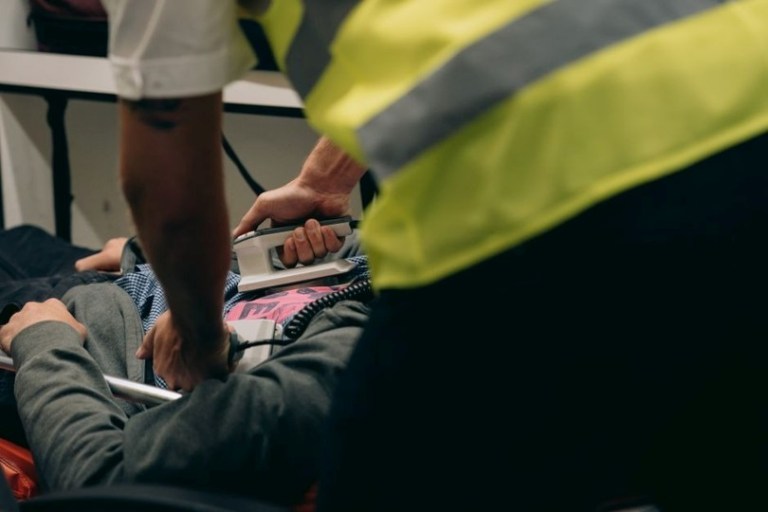
A successful event is usually remembered for the right reasons: the atmosphere, the program, the people, and how smoothly everything came together. Medical planning works differently. When it is done well, most guests may never notice it at all.
That does not make it optional. Public events bring large groups of people into shared spaces, sometimes for hours at a time and under conditions involving heat, crowds, physical activity, alcohol, or long periods of standing. A clear medical response plan helps organizers deal with routine incidents calmly while remaining prepared for situations that require urgent care.
Start With the Risks Your Event Actually Creates
Medical planning should match the event rather than follow a single template.
A short indoor conference does not create the same concerns as an outdoor concert, sporting event, festival, or multi-day trade show. Attendance is only one factor. Organizers should also consider the age and needs of the audience, physical activity, weather exposure, alcohol availability, event length, crowd density, and how easily emergency responders can reach different areas.
This is where broader event risk management becomes useful. Medical emergencies belong alongside weather, crowd movement, infrastructure problems, and other situations that could disrupt an event.
The goal is not to imagine every possible disaster. It is to identify realistic risks early enough to build sensible responses around them.
Decide What Level of Medical Support Makes Sense
Some events may need little more than clearly identified first-aid resources and trained personnel. Others require a more substantial on-site medical presence.
Coverage can include roving responders, first-aid stations, licensed clinicians, ambulances, or coordination with external emergency services. The appropriate combination depends on the event’s scale and risk profile.
Organizers considering special event medical coverage should think about more than simply having someone present. The more useful questions involve what care can be provided on site, how patients will be assessed, when transport is required, and how the medical team will coordinate with event staff.
That distinction matters because many incidents do not require hospital care. A guest who becomes dehydrated, feels faint, or suffers a minor injury may need assessment and monitoring rather than an automatic emergency transport.
Build the Medical Plan Into the Event Layout
Medical coverage is only useful if responders can reach people.
Think about the venue from the perspective of someone carrying equipment or moving a patient through a crowd. Narrow entrances, locked gates, stairs, dense seating, temporary fencing, and congested walkways can all slow a response.
Medical areas should be easy for staff to identify and practical for responders to use. Depending on the event, organizers may also need designated ambulance access, vehicle routes, or spaces where a patient can be assessed with some privacy.
Do not automatically place the medical station wherever unused space happens to be available. Position it in relation to where incidents are most likely to occur and how responders will move through the venue.
At larger events, more than one response point may be necessary.
Make Communication Part of the Safety Plan
A good medical team can still lose valuable time if event staff does not know how to reach them.
Before opening the doors, decide how an incident will be reported. Staff should know whether to use radios, phones, an operations channel, or another established system. They should also understand what information to provide.
A message such as “we need medical help near the entrance” may be far less useful than an agreed location code, nearby landmark, and short description of the situation.
Written event safety planning can help make procedures, emergency contacts, responsibilities, and contingency arrangements clear before attendees arrive.
Communication should also work in reverse. Event leadership needs a reliable way to receive information from the medical team if conditions begin changing, such as an unusual number of heat-related cases or incidents concentrated in one part of the venue.
Prepare for Ordinary Problems, Not Only Major Emergencies
Medical preparedness often brings dramatic scenarios to mind, but many on-site incidents are much more routine.
People may become overheated, dehydrated, dizzy, anxious, or mildly injured. Someone may experience an asthma flare-up or react to food. Another guest may trip while navigating a crowded area.
These situations still need an organized response.
Planning around realistic, lower-level incidents can prevent them from becoming more disruptive. Hydration access, shade at outdoor events, clear walkways, adequate seating, and easily identified medical support can all reduce pressure on responders.
A plan built only around rare catastrophic emergencies may overlook the issues medical teams are more likely to handle during an ordinary event day.
Make Sure Staff Know Their Limits
Event employees and volunteers often become the first people to notice that someone needs help. That does not mean they should be expected to make clinical decisions.
Their role should be clear: recognize a concern, contact the appropriate responder, provide accurate location information, and keep the surrounding area manageable when necessary.
Security staff should not automatically be treated as medical personnel unless they actually have the required training and role. Similarly, a first-aid kit does not replace qualified care when the situation goes beyond basic assistance.
Clear boundaries reduce hesitation. Staff are more useful when they know exactly what they are responsible for and who takes over when medical expertise is needed.
Plan for Escalation Before It Happens
Some patients can be treated on site. Others need a higher level of care.
The decision process should be understood before the event begins. Organizers and medical teams should know how external emergency services will be contacted, which entrances responders will use, and how vehicles will reach the patient.
Crowd control may become part of the medical response too. A dense group of spectators gathering around an incident can make care more difficult and slow evacuation.
Consider what happens if two emergencies occur at once. One medical team may be sufficient for a small event but inadequate if the layout or attendance creates a realistic chance of simultaneous calls.
Planning for escalation does not mean expecting the worst. It means ensuring the event remains functional when the first response is not enough.
Use Previous Events to Improve the Next One
Recurring events have one advantage that first-time organizers do not: their own history.
After the event, review what medical incidents occurred, where they happened, and whether responders had any difficulty reaching or treating patients. Look for patterns rather than focusing only on the most serious case.
If several attendees needed help with heat, future planning may need more shade, water access, or staffing during the hottest period. If responders repeatedly struggled to move through one crowded zone, the problem may be the layout rather than medical resources.
An after-action review turns experience into practical improvements.
Make Medical Planning Part of the Event, Not an Add-On
Medical support works best when it is considered alongside crowd flow, staffing, security, venue layout, and emergency procedures from the beginning.
The objective is not to turn every event into a medical operation. It is to make sure the right people can respond quickly when something happens.
Assess the risks, match medical resources to the event, create clear communication routes, protect responder access, and make sure staff understand their roles. Those decisions create a system that can handle everyday medical issues without losing sight of more serious possibilities.
The best medical plan may be one most attendees never realize was there. Behind the scenes, however, that preparation can make the difference between a manageable incident and an avoidable crisis.
