


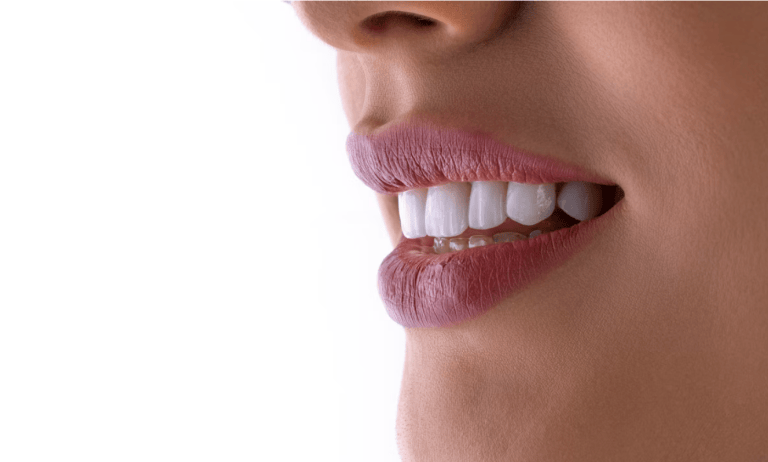
Over 50% of adults in the United States report feeling self-conscious about the appearance of their teeth, according to data from the American Academy of Cosmetic Dentistry. For decades, dental visits were treated purely as an emergency measure—something to schedule only when a tooth hurt or a visible cavity formed. Today, that perception has shifted. Patients increasingly recognize that dental care sits at the intersection of functional health, clear speech, and personal confidence.
A healthy smile requires more than basic brushing. Discoloration, chipped enamel, structural alignment issues, and gum recession can affect how you chew, speak, and feel in professional or social settings. Addressing these issues requires an understanding of how restorative treatments work alongside aesthetic procedures. This guide breaks down the core principles of aesthetic dentistry, compares common treatment paths, and provides practical advice for maintaining long-term oral health for your whole family.
The Intersection of Function and Aesthetics in Dental Care
Dental issues rarely remain strictly cosmetic or purely functional. A chipped tooth creates a sharp edge that can injure oral tissue, while also creating a focal point for plaque accumulation. Similarly, crooked or overcrowded teeth make daily flossing difficult, which increases the risk of localized gum inflammation and enamel decay.
Repairing Structure While Preserving Appearance
In past decades, restorative dentistry relied heavily on metal amalgams and silver crowns. While durable, these materials were visually obvious and often required the removal of healthy tooth structure during placement. Dental material science has advanced significantly, making tooth-colored alternatives the standard for routine repairs.
- Composite Resin Bonding: Matches the exact shade of surrounding enamel, allowing dentists to repair minor chips, fill cavities, and close small gaps in a single visit without removing significant enamel.
- Porcelain Veneers: Thin ceramic shells bonded to the front surface of teeth. They correct severe discoloration, uneven wear, and minor misalignments while resisting future stains.
- Zirconia and Ceramic Crowns: Offer high structural strength for heavily damaged back molars while mimicking the natural light translucency of real teeth.
By using materials that match natural enamel density and appearance, structural repairs double as visual upgrades. This dual approach ensures that fillings, crowns, and implants blend seamlessly with your natural bite while restoring full chewing power.
Evaluating Popular Cosmetic and Restorative Procedures
Choosing the right treatment path requires a clear understanding of your specific goals, oral health baseline, and budget. While some patients need straightforward surface stain removal, others benefit from comprehensive bite realignment or structural restorations.
Targeted Treatments for Common Issues
Professional teeth whitening remains one of the simplest ways to refresh a smile. Unlike over-the-counter whitening strips, which use lower concentrations of active bleaching agents and generic fitted trays, professional treatments use custom-molded trays and prescription-strength carbamide or hydrogen peroxide. This delivers faster, more uniform results while protecting sensitive gum tissue from chemical irritation.
For patients dealing with broken, severely stained, or unevenly spaced teeth, comprehensive care often involves custom lab-fabricated restorations. When considering aesthetic enhancements, choosing an experienced clinician who evaluates both jaw alignment and tooth structure is critical. For instance, consulting a skilled cosmetic dentist in Franklin TN ensures that aesthetic improvements do not compromise your bite mechanics or long-term dental integrity.
Orthodontic alignment has also evolved beyond traditional metal brackets. Clear aligners use a sequence of custom-made plastic trays to shift teeth into proper position gradually. This approach appeals to adults and teenagers who want to correct crowding or spacing issues without altering their daily appearance or dietary habits. Aligning teeth not only improves symmetry but also reduces abnormal wear on enamel caused by a misaligned bite.
Protecting Your Investment Through Daily Oral Maintenance
Professional dental work—whether a simple composite filling or a full set of porcelain veneers—requires consistent home care to remain durable over time. Restorations do not decay, but the natural tooth structure underneath and surrounding them remains vulnerable to plaque buildup and gum disease.
Daily Habits That Preserve Dental Restorations
- Use Non-Abrasive Toothpastes: Highly abrasive whitening toothpastes can scratch the surface glaze of porcelain veneers and dull the polish on composite bonding. Opt for low-RDA (Relative Dentin Abrasivity) fluoride toothpastes.
- Protect Against Bruxism: Nighttime teeth grinding (bruxism) exerts tremendous pressure on teeth, leading to chipped enamel and fractured restorations. A custom night guard cushions the bite and distributes force evenly.
- Maintain Interdental Cleaning: Plaque builds up rapidly around crown margins and veneer edges. Daily flossing or water flossing prevents bacterial decay at the boundary where the natural tooth meets the restoration.
- Manage Dietary Acids: Frequent exposure to acidic foods, citrus, coffee, and dark sodas can weaken natural enamel and stain composite resin. Rinsing with plain water after meals neutralizes surface acids.
Long-Term Health and Aesthetic Balance
Achieving a healthy, attractive smile is rarely a one-time event. It is an ongoing combination of informed clinical decisions, advanced dental materials, and meticulous daily care. Addressing alignment issues, repairing cracked enamel, and treating discoloration early prevents small concerns from developing into complex restorative problems later.
Investing time in daily hygiene and building a strong relationship with a trusted dental team ensures that your teeth remain strong, functional, and visually appealing throughout every stage of life.
Are you planning to refresh your oral care routine this year, or do you have questions about specific cosmetic treatments? Share your thoughts and questions in the comments below.
