


Introduction
If you live in Thornton, you already know how busy life can get. Between school, work, sports, errands, and traffic along the Front Range, dental care can slide down your priority list fast. That choice often comes back with interest. Preventive dental care keeps small issues from turning into painful, expensive problems, and it helps you protect your health without adding drama to your calendar.
Preventive care is less about perfection and more about timing
A lot of people treat dental visits like oil changes: easy to delay, annoying to schedule, and suddenly urgent when something starts making weird noises. Your teeth are not great at waiting patiently.
Preventive care works because timing matters. A tiny cavity can often be handled quickly. Ignore it, and you may end up needing a crown, root canal, or extraction. Gum inflammation can also start quietly, with a bit of bleeding when you brush, then build into periodontal disease.
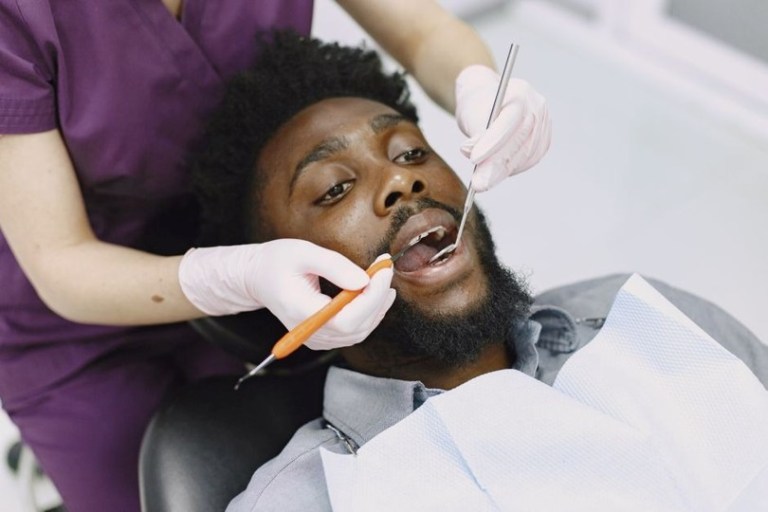
When you stay consistent with cleanings and exams, you give your dentist a chance to catch changes early. That means fewer surprises, shorter appointments, and less chance of hearing a treatment plan that wrecks your budget for the month.
Your mouth affects more than your smile
It’s easy to think dental care is mostly cosmetic. White teeth look nice, sure, but your mouth has bigger responsibilities than starring in selfies.
Oral health connects to your overall health in ways people often underestimate. Gum disease has been linked with issues involving inflammation, and poor oral hygiene can complicate conditions like diabetes. Even persistent bad breath can signal something deeper than lunch choices.
Regular checkups help track signs of infection, enamel wear, jaw tension, and gum recession before they become bigger medical headaches. If you grind your teeth at night, for example, your dentist may spot the damage long before you notice sore jaws or chipped edges. Preventive care is basic maintenance for a system you use all day, every day.
Small appointments usually beat big procedures
There’s a practical reason preventive care makes life easier: small appointments are simply less disruptive.
A routine cleaning might take under an hour. Compare that with multiple visits for fillings, crowns, deep cleanings, or emergency treatment after pain suddenly crashes your plans. Dental emergencies rarely show respect for exam weeks, vacations, or payroll timing.
You also avoid the ripple effect. Bigger procedures can mean more recovery time, diet restrictions, soreness, extra follow-ups, and time off work or school. Even if you’re calm in the dental chair, no one wakes up hoping to spend their afternoon numb on one side and trying not to chew their own cheek.
Staying ahead of problems keeps your schedule more predictable, which is underrated and very useful.
Cost control starts with consistency
Dental care feels expensive when you only think about treatment. Preventive care shifts the math in your favor.
Cleanings, exams, and X-rays are usually far less costly than restorative work. A neglected cavity can turn into a chain reaction: filling, crown, root canal, maybe replacement options later. That’s a steep upgrade from a routine visit.
If you have dental benefits, preventive services are often covered at a higher level than major procedures. Even without insurance, paying for regular care can be easier than absorbing a sudden emergency bill. The pattern is simple: a little money on a schedule tends to hurt less than a lot of money under pressure.
If you’re looking for a dentist Thornton patients can visit for preventive care, it helps to choose a practice that emphasizes routine exams, cleanings, and personalized treatment planning.
Prevention at home matters more than fancy products
You do not need a bathroom counter that looks like a dental trade show. Good prevention at home is more about consistency than collecting trendy tools.
Focus on the basics:
– Brush twice a day with fluoride toothpaste
– Floss once a day, even if you dislike it
– Replace your toothbrush or brush head every three months
– Cut back on constant sugary drinks and snacks
– Drink more water, especially after meals
– Wear a mouthguard if you play contact sports
Technique matters too. Brushing aggressively does not earn extra points. It can irritate your gums and wear enamel over time. Gentle, thorough brushing wins. Flossing also gets easier once it becomes automatic, like locking your front door.
Home care and professional care work as a team. One cannot fully replace the other.
Teens and adults both benefit from early habits
Preventive care often gets framed as something parents should teach kids. Fair enough, but the payoff doesn’t expire when you turn 18.
Teens deal with braces, sports drinks, late-night snacking, and sometimes questionable brushing effort. Adults pick up different risk factors: stress grinding, coffee, tobacco, medications that cause dry mouth, and packed schedules that encourage postponing appointments.
The benefit of early habits is that they reduce friction later. If regular dental care becomes normal, you’re less likely to wait until pain forces action. That mindset can carry through college, work, and family life.
You also build familiarity with your own mouth. You notice when your gums feel different, when sensitivity starts, or when a filling seems off. That self-awareness makes problems easier to catch while they’re still manageable.
Choosing the right dental practice can make follow-through easier
A lot of people don’t avoid dental visits because they hate dentistry itself. They avoid friction. Hard scheduling, poor communication, confusing costs, and rushed appointments can make even responsible people procrastinate.
A strong preventive routine becomes easier when your dental office is organized, clear, and focused on long-term care instead of only reacting to problems. You want a team that explains what they see, answers questions without making you feel awkward, and gives practical next steps.
That matters even more if you’ve had bad experiences before. Feeling comfortable with your provider can lower anxiety and make regular visits feel routine instead of dramatic. Dental care works best when it becomes part of your normal health schedule, not a once-in-a-crisis event.
Prevention is one of the least flashy smart decisions you can make
Preventive dental care is not glamorous. No one brags about an uneventful cleaning the way they might post about a cosmetic makeover. Still, routine care quietly solves real problems before they become expensive, painful, and disruptive.
You save time by avoiding complicated treatments. You save money by catching issues early. You reduce stress by replacing uncertainty with a plan. That combination is hard to beat.
If dental visits have slipped off your radar, getting back on track does not require some dramatic reset. It starts with one appointment, better daily habits, and a decision to handle problems while they’re still small. Your future self, your wallet, and your calendar will all be noticeably less annoyed.
