



A referral for a scan often arrives with little explanation. Which clinic should you use? Will there be a cost? Do you need to fast? In Australia, you can generally choose your diagnostic imaging practice, even if the referral names a particular provider.
Medicare rebates also depend on the practice holding current accreditation. Preparation varies by exam, so use online checklists only as a starting point and confirm the instructions with the clinic performing your scan.
Quick primer: what counts as diagnostic imaging
X-ray uses a small dose of radiation and is commonly used to examine bones and the chest. Ultrasound uses sound waves rather than radiation and can show the abdomen, pelvis, pregnancy and soft tissues.
CT (computed tomography) combines X-ray images into detailed cross-sections. MRI (magnetic resonance imaging) uses a strong magnet and radio waves, with no ionising radiation, and is often used for the brain, spine and joints. Mammography is a low-dose X-ray of breast tissue.
Three roles matter. Your referrer, usually a GP or specialist, decides which test you need. The imaging practice captures the images. A radiologist interprets them and sends a report to your referrer. Healthdirect advises that you can take your referral to your preferred practice.
How to choose a diagnostic imaging provider in Australia
Choosing a provider comes down to four practical questions: Is the practice accredited? Can it perform the exam you need? What will it cost? How will you receive your results?
Accreditation comes first
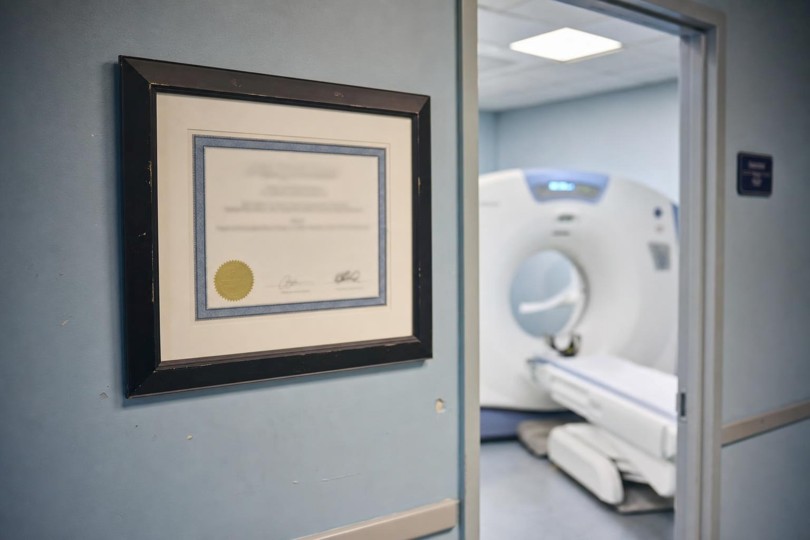
Practices must be accredited under the Diagnostic Imaging Accreditation Scheme (DIAS) to provide Medicare-funded diagnostic imaging. If accreditation lapses, Medicare may not pay for services provided during that period, potentially leaving you with the full fee. The scheme is being revised and renamed the National Medical Imaging Standards, with implementation currently expected in early 2028. You may see either name on clinic websites during the transition.
Capability, comfort and safety
Ask whether the practice performs your exam on site, whether its radiologists report in the relevant specialty and whether it scans children if needed. If your referrer has marked the request as urgent, check how quickly the practice can offer an appointment and return the report.
You can also ask about safety procedures. These may include metal and implant screening before MRI, health checks before iodinated or gadolinium contrast, CT dose optimisation and pregnancy screening. Radiation exposure should be matched to a clear medical need, which is why whole-body screening CT is generally not recommended for healthy people without symptoms.
Access and affordability
Ask about costs before booking. Some services are bulk-billed for Medicare-eligible patients, while others have an out-of-pocket gap. Medicare rebates for many diagnostic imaging items have been indexed annually since 1 July 2025, but indexation changes the rebate rather than setting the fee charged by a practice. Request a quote based on the item numbers listed on your referral.
For example, Advicon Imaging operates Sydney clinics in Gladesville, Hornsby and West Ryde, with Pennant Hills and Quakers Hill listed as coming soon. The practice states that most of its services are bulk-billed for Medicare-eligible patients and that eligible CT scans are bulk-billed. Eligibility depends on the service and referral, so confirm the fee when booking.
How you will get your results
From 1 July 2026, diagnostic imaging reports must generally be uploaded to My Health Record by default, subject to exceptions and approved extensions. This can make previous imaging easier for treating clinicians to find and may help avoid unnecessary repeat scans. Ask how quickly the report will reach your referrer, when it will appear in My Health Record and whether you can request a copy of the images.
Recent changes that may affect your care
The National Lung Cancer Screening Program is available to eligible people aged 50 to 70 who have no signs or symptoms of lung cancer and have a smoking history of at least 30 pack-years.
A pack-year means smoking one pack a day for one year, or an equivalent amount. Other eligibility conditions apply, including whether the person currently smokes or when they quit. Routine screening is generally repeated every two years. The program’s low-dose CT items, 57410 and 57413, must be bulk-billed, so participants do not pay for the scan itself.
MBS changes listed for 1 July 2026 cover several areas of diagnostic imaging, including breast imaging, nuclear medicine and echocardiography. If you are booking one of these services, ask whether an item-number change affects your eligibility or out-of-pocket cost.

Preparation: what is typical for each exam
The instructions below describe common preparation requirements only. If your clinic gives different directions, follow the clinic’s advice. Sydney practice Advicon Imaging, for example, publishes preparation notes by exam type, reflecting how requirements can vary between studies and providers.
CT
- Some CT exams require fasting for a few hours, while others do not.
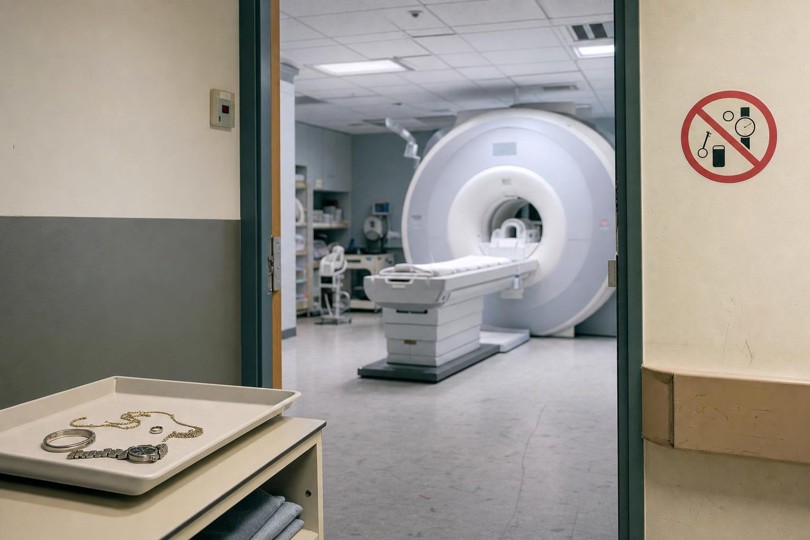
- Remove metal items when asked, including jewellery, hairpins and clothing with zips or clasps.
- If iodinated contrast is injected, a brief feeling of warmth or a metallic taste can occur. Tell staff if you have previously reacted to contrast.
- Mention kidney disease, diabetes medicines and any chance of pregnancy when booking.
- Drinking water afterwards may be recommended unless you have been told to limit fluids.
MRI
- Expect to complete a metal and implant screening questionnaire. Bring documents for pacemakers, stents, clips, cochlear implants or other implanted devices.
- Fasting requirements vary, so check with the clinic rather than assuming.
- Some patients need a kidney function blood test before receiving gadolinium contrast.
- Tell the clinic in advance if enclosed spaces are difficult for you so staff can explain the available options.
- Avoid cosmetics that may contain metallic particles and clothing with metal fastenings.
Ultrasound
- Abdominal scans commonly require about six hours of fasting.
- Pelvic and renal scans often require a full bladder, typically after drinking about a litre of water an hour beforehand.
- Many other ultrasound exams require no preparation.
- If you have diabetes, ask how to manage fasting alongside your medication or insulin.

X-ray and mammogram
- X-rays usually require no preparation. Remove metal from the area being examined and tell the radiographer if you could be pregnant.
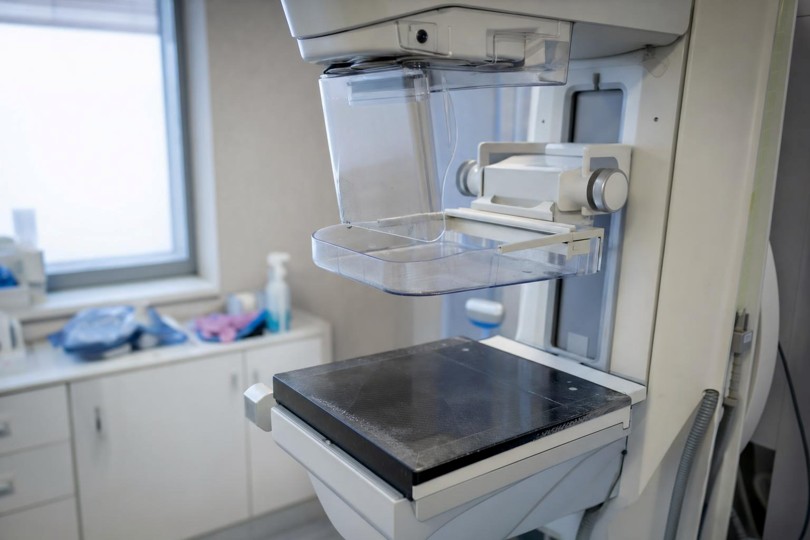
- For a mammogram, avoid deodorant, talc and creams on the day because residue may appear on the images.
- Wear a two-piece outfit, as you will need to undress from the waist up.
- Bring previous breast images, or arrange access to them, and mention any implants when booking.
What to ask before you book
- Is the practice currently accredited for Medicare-funded imaging?
- Is my exam performed on site, and who will report it?
- How long will I wait for an appointment and the report?
- What preparation applies to my specific exam?
- Will the service be bulk-billed, or will I pay a gap?
- How will the report reach my referrer and My Health Record?
- What support is available if I am anxious or claustrophobic?
- Can the practice arrange an interpreter, wheelchair access or a support person?
Practices such as Advicon Imaging publish fee and preparation information online, which can help you identify questions before calling.
How results and follow-up work
Your report goes to the referrer who ordered the test. They can interpret the findings alongside your symptoms, medical history and examination. You can generally view imaging reports in My Health Record after they are uploaded, although timing may vary.
Contact the imaging clinic about appointments, preparation, images or invoices. Contact your referrer to discuss what the findings mean and what should happen next. If you participate in lung cancer screening, routine reminders will usually follow a two-year cycle unless you are advised to return sooner.
Bringing it together
Much of the stress around medical imaging comes from uncertainty about costs, instructions and timelines. Checking accreditation, asking about fees before the appointment and confirming preparation for your specific exam can make the process more predictable. Your referrer should guide the choice of test and explain the results, while the imaging practice can answer practical questions about the appointment.
