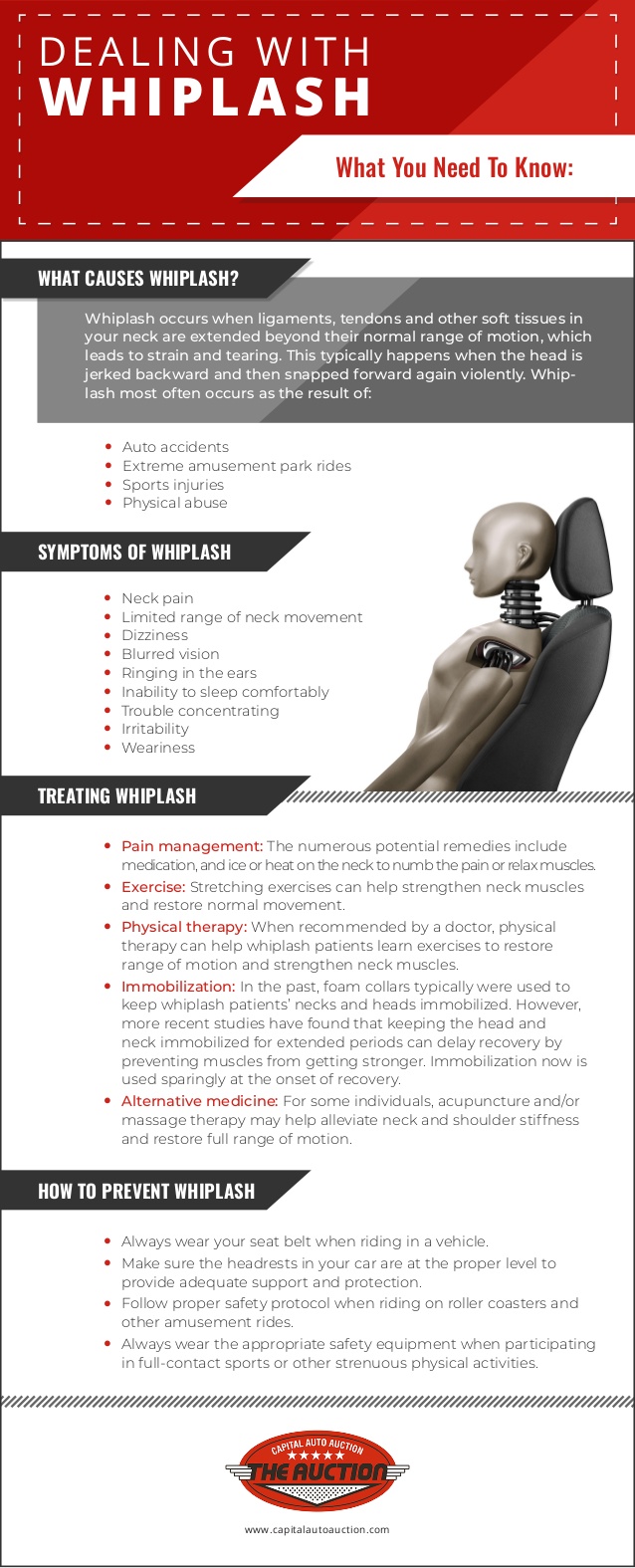
Whiplash is a common neck injury that occurs when the head suddenly moves back and forth with force. It is often linked to motor vehicle accidents, but it can also result from sports injuries, falls, or other sudden impacts. While some people recover within a few weeks, others may experience symptoms that last much longer. Early attention and proper care can help reduce discomfort and support recovery.
What Causes Whiplash?
Whiplash develops when the muscles, ligaments, and other soft tissues in the neck are stretched beyond their normal range. Rear-end vehicle collisions are one of the most common causes because the force of impact can rapidly move the head and neck.
The severity of symptoms does not always match the severity of the accident. Even low-speed crashes can lead to neck injuries.
For example, incidents involving vehicles purchased through a car auction may appear minor after a collision, yet occupants can develop whiplash symptoms that require medical attention.
Common Symptoms to Watch For
Symptoms may appear immediately after an injury or develop over the next several hours or days. Neck pain and stiffness are the most common complaints. Many people also experience headaches that begin near the base of the skull.
Other symptoms may include shoulder pain, reduced neck movement, dizziness, fatigue, and muscle tenderness. Some individuals report difficulty concentrating or sleeping. Because symptoms vary from person to person, a medical evaluation is important after a neck injury.
Seeking Medical Care
A healthcare provider can assess symptoms and determine whether additional injuries are present. During an evaluation, the provider may examine neck movement, check for tenderness, and review the circumstances surrounding the injury.
Imaging tests such as X-rays, CT scans, or MRI scans may be used in certain situations. These tests help rule out fractures, nerve damage, or other conditions that may require different treatment approaches.
Treatment and Recovery
Most whiplash cases improve with conservative treatment. Rest during the early stages may help reduce discomfort, but long periods of inactivity can slow recovery. Healthcare providers often encourage gentle movement and gradual return to normal activities.
Pain relief may include over-the-counter medications or prescription treatments, depending on symptom severity. Physical therapy is commonly recommended to improve flexibility, strengthen neck muscles, and restore normal movement patterns.
Applying ice during the first few days after injury may help reduce pain and swelling. Later, heat therapy may help relax tight muscles and improve comfort.
Preventing Future Neck Injuries
Although accidents cannot always be avoided, certain measures may reduce the risk of whiplash. Proper seat positioning, headrest adjustment, and seat belt use can help limit neck movement during a collision.
Athletes can lower injury risks by following sport-specific safety guidelines and using appropriate protective equipment. Maintaining good posture and neck strength may also support better resilience during sudden impacts.
Whiplash can affect daily activities, work responsibilities, and overall quality of life. Recognizing symptoms early, seeking medical care, and following a treatment plan can support a smoother recovery. Check out the infographic below for more information.