


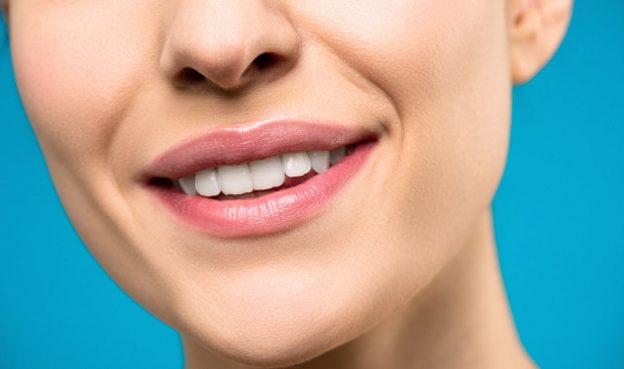
Most people have a rough idea of what a “smile makeover” involves; whiter teeth, straighter alignment, maybe some veneers. But when you actually sit down with a dentist and the conversation begins, it can feel overwhelming fast. What’s the correct order of treatments? How long does it take? What does the process actually look like from the first consultation to the final result?
This guide walks through each stage of the smile makeover process, from your first consultation to final review, so you have a clearer picture of what to expect when speaking with a cosmetic dentist Sydney patients typically consult for this type of care.
Step 1: Your First Consultation
A smile makeover doesn’t start in the dental chair. It starts with a thorough conversation.
At this stage, a qualified cosmetic dentist will assess your overall oral health before anything aesthetic is even discussed. This is important: cosmetic dentistry is only appropriate when the foundation, your gums, bite, and existing teeth are stable and healthy. Attempting cosmetic work on a compromised mouth may lead to poor outcomes that require correction down the line.
During the consultation, your dentist will typically:
- Review your dental and medical history
- Take X-rays or digital scans to assess bone structure and tooth roots
- Evaluate your bite alignment (occlusion)
- Discuss what concerns you most and what outcomes you’re hoping for
This is also your opportunity to ask questions. A good clinician will explain what’s realistic, what may require multiple stages, and what isn’t advisable for your specific situation. If a practice skips this step and jumps straight to treatment recommendations, that’s worth noting.
Step 2: Building Your Treatment Plan
One of the most misunderstood aspects of cosmetic dentistry is that treatments rarely happen in isolation, and the order in which they’re done is clinically significant.
For example:
- Orthodontic work (braces or aligners) should generally come before veneers, because moving teeth after porcelain has been placed can compromise the restoration
- Teeth whitening should precede veneers or bonding, so the shade of any new restorations can be matched to your whitened natural teeth
- Gum treatment or contouring may need to occur before any visible restorations are placed
Your dentist, particularly one experienced in cosmetic dentistry in Sydney or another major metropolitan area should map this out clearly in a written treatment plan. This plan should include the scope of each procedure, the timeline, and the associated costs.
At this stage, digital smile design tools may be used in some practices to give you a preliminary visual preview of potential outcomes. These are simulations only and should not be interpreted as guarantees of results.
Step 3: Treating Underlying Dental Problems
Before any cosmetic work begins, underlying dental issues must be addressed. This phase may include:
- Fillings or restorations to treat decay
- Periodontal (gum) treatment if there’s evidence of disease or inflammation
- Extractions in cases where teeth are not viable
- Root canal therapy if infection is present
Skipping this phase in favour of jumping to cosmetic treatments is a clinical risk. A reputable cosmetic dentist in Sydney will always insist on this groundwork not as an upsell, but because long-term cosmetic results depend entirely on a healthy oral environment.
This foundational phase can take anywhere from one appointment to several months, depending on the complexity of existing issues.
Step 4: Common Cosmetic Treatments Involved
Once oral health is established, the aesthetic work begins. Common procedures that form part of a smile makeover include:
Teeth Whitening
Professional teeth whitening whether performed in-chair or via custom take-home trays uses peroxide-based agents to reduce tooth discolouration. Results vary depending on the nature and cause of staining; not all types of discolouration respond equally to whitening agents. Your dentist can advise whether whitening may be suitable for your situation.
Porcelain Veneers
Veneers are thin porcelain shells bonded to the front surface of teeth. They can address chips, cracks, gaps, and certain types of discolouration. Placement typically requires some removal of enamel, which means veneers are generally considered an irreversible procedure. Patients should factor this in when making decisions.
Dental Bonding
Composite resin bonding is a more conservative alternative to veneers for minor cosmetic corrections. It requires less (or no) enamel removal and can often be completed in a single visit. Bonding may be more susceptible to staining over time compared to porcelain.
Dental Implants or Crowns
Where teeth are missing or significantly damaged, implants or crowns may form part of the overall treatment plan. These are functional as well as aesthetic restorations and are typically managed by a dentist with specialist training or experience in restorative work.
Orthodontics
Clear aligner therapy or traditional braces may be incorporated where alignment or spacing issues are present. This is usually the longest component of any makeover, potentially spanning 12–24 months depending on case complexity.
Step 5: Review Appointments and Maintenance
A smile makeover doesn’t end when the final procedure is complete. Follow-up appointments allow your dentist to:
- Check that restorations are integrating well
- Address any sensitivity or bite adjustment concerns
- Provide guidance on maintenance, including cleaning routines and products to avoid
Long-term maintenance including regular professional cleans, wearing a night guard if you grind, and avoiding habits that accelerate wear, plays a significant role in how well cosmetic work holds up over time. Your dentist should provide a clear aftercare plan tailored to your specific treatments.
What to Look for in a Cosmetic Dentist
Not all dentists have the same level of training in cosmetic dental procedures. When researching options for cosmetic dental care Sydney, consider:
- Whether the practitioner is AHPRA-registered and in good standing
- Their experience with the specific procedures you’re considering
- Whether they offer a thorough consultation process before recommending treatment
- Transparency around pricing and staged treatment options
If you’re exploring options for cosmetic dentistry Sydney and want to understand what a structured, patient-centred approach looks like in practice, consulting a dental clinic with dedicated cosmetic experience is a worthwhile starting point.
Final Thoughts
A smile makeover is not a single appointment; it’s a sequenced, clinical process that requires sound oral health as its foundation. Understanding each stage helps you ask better questions, set realistic expectations, and make informed decisions about your care.
If you’re considering cosmetic dental treatment, start with a consultation from a qualified, AHPRA-registered dental practitioner who can assess your individual needs. The right provider will take time to understand your goals and build a plan that prioritises your long-term dental health alongside any aesthetic outcomes.
