


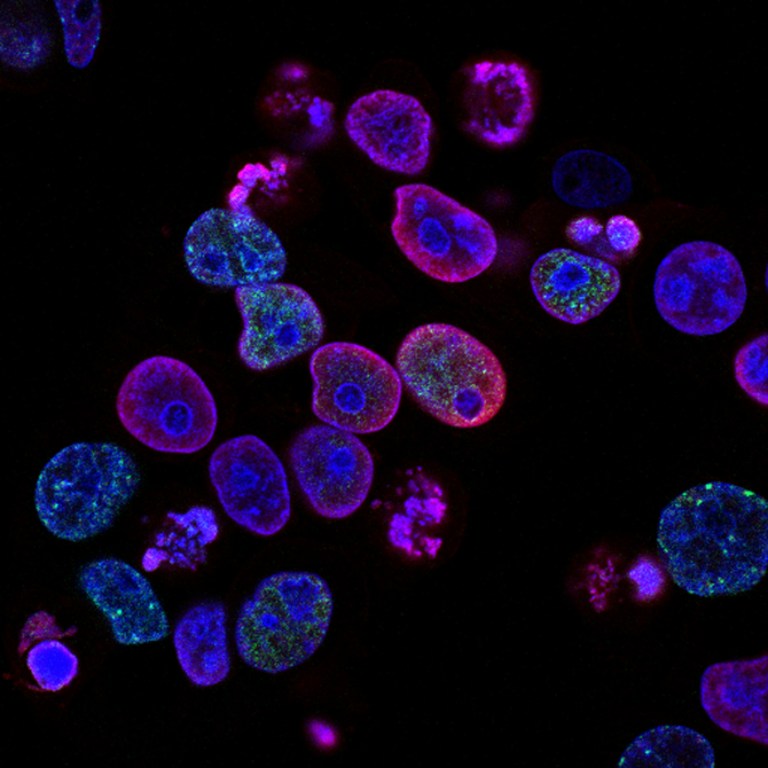
Bioprocessing can be defined as techniques or series that utilize biological components or living cells to produce useful products like biofuel, pharmaceuticals or other chemicals. For this purpose tools like, Cell density analyzers play a vital role in this process, that provides accurate measurements and real-time data. Let’s explore more from tools and mistakes to get better outcomes.
What Are Cell Density Analyzers?
To obtain accurate measurements of cell concentration within a culture, cell density analyzer plays a vital role in bioprocessing. Basically, Cell density analyzers are devices used to measure the concentration of cells in a solution. They help the researchers and lab technician to monitor and control cell growth during the processes. With precise monitoring and accurate measurement, we’ll be able to optimize crucial factors like harvesting time, fertilization and overall production yield. These analyzers provide real-time data, that helps you to adjust conditions like temperature, pH, and nutrients to optimize growth. Moreover, With precise measurements, you can reduce errors and avoid contamination risks. Finally, By maintaining ideal conditions, you save resources and avoid unnecessary waste. Cell density analyzers, like the XcytoMatic, are specialized instruments used to measure the concentration of cells in a liquid sample. Because Cell density analyzers make it easier to scale up processes without compromising quality. These tools can analyze up to 100 samples per hour, supporting large-scale operations and making them suitable for industrial applications.
5 Common Bioprocessing Mistakes and How to Avoid Them
Bioprocessing involves multiple steps including upstream processing, downstream processing and product formulation, that may navigate the unseen bioprocessing challenges. Even with advanced tools, bioprocessing can be prone to errors. Here are five common mistakes and how to prevent them:
Ignoring Real-Time Monitoring
It is the most common mistake, that may lead to serious issues. Without monitoring tools like cell density analyzers, critical changes in conditions such as pH, temperature, and oxygen levels may go unnoticed. To avoid such mistake Invest in real-time monitoring tools to ensure you are always aware of the process status and can make necessary adjustments promptly.
Skipping Equipment Maintenance
Usually people won’t care about equipment maintaining that can lead to contamination and unreliable results. To avoid such problem Regularly clean, sterilize, and calibrate your bioprocessing equipment to maintain precision and hygiene. Taking professional advice and help may also helps you in keeping your machines top notch.
Neglecting Nutrient Optimization
If you’re new in bioprocessing, it is common to neglect nutrient optimizations. It can happen while Providing too many or too few nutrients, that can stunt cell growth or lead to inconsistencies in product quality. For this purpose, it is recommended to Use data from cell density analyzers to track growth and adjust nutrient levels that based on real-time measurements.
Failing to Test for Scalability
The problem occurs when, Processes that work in small batches may not perform well during large-scale production. To resolve the situation, the technicians may Conduct scalability tests with pilot batches before full-scale implementation, ensuring that results meet expectations.
Poor Record-Keeping
Poor record keeping system may arise various challenges in maintaining bioprocessing systems. Without detailed logs, identifying problems or replicating successful batches becomes challenging. Therefore it is better Maintain accurate and detailed records of all bioprocessing activities, including cell density measurements and adjustments made during production.
Conclusion
Automated bioprocessing system can bring the procedure to the next level. It can be a game changer in delivering consistent results on different scales. Cell density analyzers are essential tools for optimizing bioprocessing, that not only helps in maintaining accurate measurements, but also improve efficiency, and reduce costs. Investing in the right tools and adopting best practices will help your bioprocessing operations run smoothly, delivering high-quality products consistently.
