


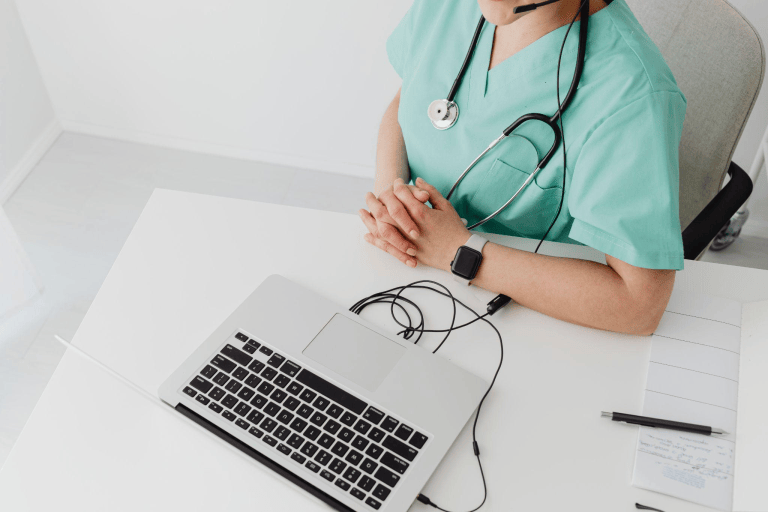
Healthcare professionals must continually develop their skills as patient needs, medical technologies, and treatment approaches evolve. For nurses seeking career advancement, additional education provides opportunities to expand clinical knowledge, strengthen decision-making abilities, and prepare for greater responsibilities in patient care.
Online nursing programs offer a flexible approach to professional development without requiring nurses to leave their current positions. By combining digital coursework with supervised clinical experiences, these programs help you build the knowledge and practical skills needed to navigate increasingly complex healthcare environments.
Expanding Clinical Knowledge Beyond the Basics
Advanced nursing education expands your understanding of patient assessment, disease management, and evidence-based treatment. Through structured coursework, you explore how different health conditions develop, how symptoms connect, and which clinical approaches support effective patient care.
Graduate nursing programs preparing advanced practice nurses commonly cover subjects such as advanced pathophysiology, pharmacology, and health assessment. These areas provide the scientific foundation needed to evaluate patients, recognize potential complications, and participate in informed treatment decisions.
For registered nurses looking to become a family nurse practitioner online, graduate education offers a pathway toward advanced practice. These programs prepare you to assess patients across different age groups, manage common health conditions, and provide preventive care within the appropriate scope of practice.
Well-designed online coursework can encourage independent research and critical thinking. As you examine clinical scenarios and review current healthcare evidence, you develop a deeper understanding of how medical knowledge applies to everyday patient needs. This foundation becomes especially valuable when managing complex cases that require careful evaluation and coordination with other healthcare professionals.
Turning Nursing Theory Into Practical Skills
Nursing education requires more than theoretical knowledge. Practical experience helps you apply clinical concepts, communicate with patients, and make appropriate decisions in healthcare settings.
Online nursing programs commonly combine virtual learning with supervised clinical placements. These experiences allow you to practice essential responsibilities while receiving guidance from qualified healthcare professionals.
Important skills developed through this combination include:
- Patient assessment: Identifying symptoms, reviewing medical histories, and recognizing changes in health conditions.
- Clinical reasoning: Evaluating patient information and selecting appropriate next steps.
- Care planning: Developing individualized approaches based on patient needs and clinical findings.
- Patient education: Explaining treatment instructions, preventive measures, and ongoing health management.
Virtual simulations and case studies provide opportunities to explore clinical situations before encountering similar challenges in practice. By working through realistic patient scenarios, you can apply theoretical knowledge, evaluate different approaches, and strengthen your clinical reasoning skills.
These learning experiences complement supervised clinical training, where you put your knowledge into practice through direct patient interactions. As you gain experience, you become better prepared to recognize priorities, communicate findings, and contribute effectively to coordinated patient care.
Strengthening Healthcare Communication
Effective nursing practice depends on clear communication with patients, families, and other healthcare professionals.
Communicating With Patients
Advanced coursework helps you explain medical information in language patients can understand. This includes discussing symptoms, treatment recommendations, and preventive measures while considering individual concerns. Developing these skills supports meaningful conversations and encourages patients to participate actively in their healthcare decisions.
Working With Healthcare Teams
Nurses regularly collaborate with physicians, pharmacists, therapists, and other specialists. Online programs often incorporate group discussions and collaborative assignments that reflect this professional environment. Through these activities, you practice presenting information, evaluating different perspectives, and contributing to shared clinical decisions.
Improving Clinical Documentation
Accurate documentation supports continuity of care and helps healthcare teams understand patient progress. Nursing education reinforces the importance of recording assessments, treatment plans, and relevant observations clearly. Digital assignments and electronic health record training may also strengthen familiarity with the documentation systems used throughout modern healthcare organizations.
Keeping Pace With Healthcare Technology
Technology plays an increasingly important role in healthcare delivery. Electronic records, remote consultations, and digital monitoring systems have changed how professionals collect information, communicate, and manage patient care.
Online nursing education introduces you to digital learning environments that encourage technological familiarity. Although specific tools vary between programs, many courses incorporate electronic resources, virtual simulations, and healthcare technology concepts.
These experiences support several professional capabilities:
- Digital documentation: Understanding how electronic records organize patient information and support care coordination.
- Telehealth communication: Learning approaches for interacting with patients through remote healthcare services.
- Information evaluation: Assessing digital medical resources and identifying reliable clinical evidence.
- Technology adaptation: Becoming comfortable learning new systems and incorporating them into established workflows.
Technology training also emphasizes responsible information handling. Protecting patient privacy and maintaining accurate records remain essential responsibilities, regardless of the systems involved.
By developing digital literacy alongside clinical knowledge, you become better equipped to work in healthcare environments where technology supports daily decisions and patient services.
Advancing Your Career Without Putting Work on Hold
Continuing your education while working as a nurse requires careful planning. Online programs provide flexibility that helps you organize academic responsibilities around professional schedules and personal commitments.
Many courses include asynchronous lectures, recorded materials, and digital assignments. These resources allow you to review lessons at suitable times, although scheduled activities and clinical placements may still require fixed attendance.
Remaining employed during your studies also creates opportunities to connect new concepts with existing professional experience. Situations encountered at work can provide useful context for understanding coursework, while academic discussions introduce approaches worth exploring in clinical practice.
Advanced education may also support career development by preparing nurses for specialized responsibilities, leadership opportunities, or advanced practice roles, depending on the program and required credentials.
Before enrolling, review accreditation, clinical placement expectations, and state licensure requirements. Choosing a program aligned with your professional goals helps ensure your educational investment supports the qualifications needed for your intended nursing career.
Preparing for the Next Stage of Nursing
Online nursing education provides a structured pathway for expanding clinical knowledge, strengthening communication, and developing practical healthcare skills. By combining academic instruction with supervised experience, these programs help nurses prepare for changing patient needs and professional responsibilities.
As healthcare continues to evolve, advanced education supports your ability to adapt to new technologies, apply current clinical evidence, and contribute to coordinated patient care. Choosing the right program allows you to build on existing experience while preparing for future opportunities in nursing.
