


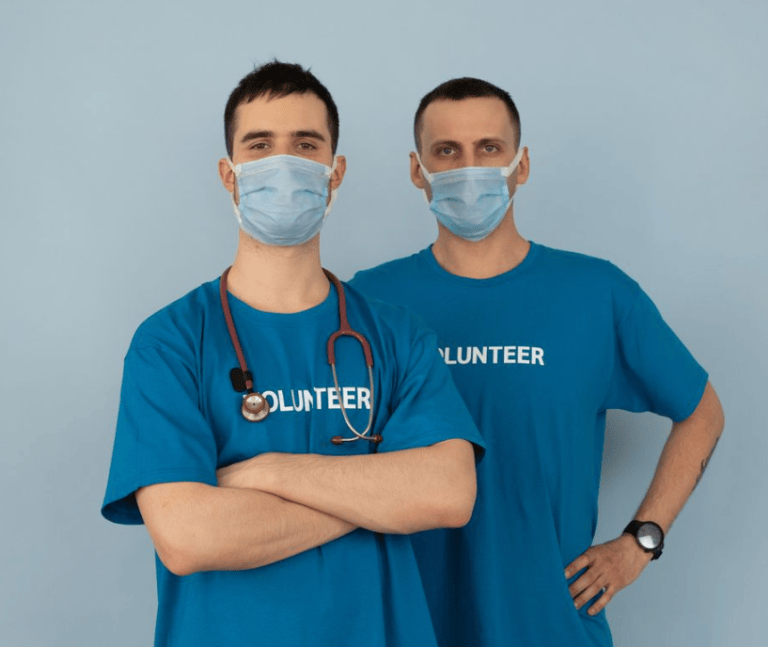
Medical professionals play a vital role in improving the health and well-being of the communities they serve. While providing clinical care is their primary responsibility, many healthcare workers choose to extend their impact beyond hospitals, clinics, and private practices. By participating in community outreach efforts, education initiatives, and charitable healthcare programs, medical professionals can help address gaps in care and improve access to essential services. These contributions often create lasting benefits for individuals and families who may otherwise struggle to obtain healthcare. Making a difference in the community does not always require large-scale efforts. Even small actions can produce meaningful results.
Provide Care To Underserved Populations
Many communities contain residents who face barriers to healthcare, including financial limitations, transportation challenges, or lack of access to medical providers. Medical professionals can help bridge these gaps by participating in outreach programs that bring care directly to those in need. Improving access to healthcare services can lead to earlier diagnoses, better disease management, and improved health outcomes. Supporting underserved populations strengthens the overall health of the community.
Offer Health Education Programs
Education is one of the most powerful tools for preventing illness and promoting healthy lifestyles. Healthcare providers can organize workshops, informational sessions, and community events focused on nutrition, exercise, preventive screenings, and chronic disease management. Teaching people how to make healthier choices empowers them to take a more active role in their well-being. Preventive education can reduce healthcare costs while improving quality of life.
Support Community Wellness Initiatives
Communities often organize wellness programs designed to encourage healthy behaviors. Medical professionals can contribute by participating in health fairs, vaccination drives, screening events, and fitness initiatives. Their expertise helps ensure that accurate and reliable health information is available to community members. Involvement in wellness programs can increase public awareness of important health issues and encourage greater participation in preventive care.
Mentor Future Healthcare Workers
Sharing knowledge with students and aspiring healthcare professionals helps strengthen the future of the medical field. Mentorship opportunities may include internships, educational presentations, career guidance, and hands-on training experiences. Encouraging future generations to pursue healthcare careers contributes to long-term community health improvements. Mentorship can have a lasting influence on both individuals and the broader healthcare system.
Participate In Community Partnerships
Collaborating with schools, nonprofits, faith-based organizations, and local businesses can increase the reach and effectiveness of healthcare initiatives. These partnerships allow medical professionals to address health concerns within a broader social context. Working together often creates opportunities to serve more people and deliver resources where they are needed most. Strong partnerships help build healthier and more resilient communities.
Volunteer Medical Expertise
Many healthcare professionals choose to donate their time and skills to organizations that provide care to those in need. Participation in a volunteer healthcare clinic can help expand access to medical services for individuals who may lack regular healthcare options. Volunteer efforts often support preventative care, routine medical evaluations, health education, and basic treatment services. These contributions can have a significant impact on community health outcomes.
Promote Preventive Care
Preventive healthcare remains one of the most effective ways to improve community health. Encouraging routine checkups, screenings, vaccinations, and healthy lifestyle choices can help detect issues before they become serious. Medical professionals who advocate for preventive care often help reduce the burden of chronic diseases and improve long-term population health. Prevention benefits both individuals and healthcare systems.
Advocate For Community Health Needs
Healthcare providers often have valuable insight into the health challenges facing their communities. By advocating for policies, programs, and resources that address these concerns, medical professionals can help create positive change. Advocacy efforts may focus on improving healthcare access, addressing social determinants of health, or increasing community resources. Effective advocacy contributes to sustainable improvements in public health.
Respond During Emergencies
Medical professionals frequently play essential roles during natural disasters, public health emergencies, and community crises. Their skills and expertise help support emergency response efforts and provide care when it is needed most. Being prepared to assist during emergencies strengthens community resilience and demonstrates a commitment to public service.
Conclusion
Medical professionals have numerous opportunities to make a positive impact in their communities beyond traditional patient care. Through education, outreach, mentorship, volunteer service, advocacy, and community partnerships, healthcare providers can help improve access to care and promote healthier lives. By investing time and expertise into community-focused initiatives, medical professionals can create meaningful and lasting change.
