


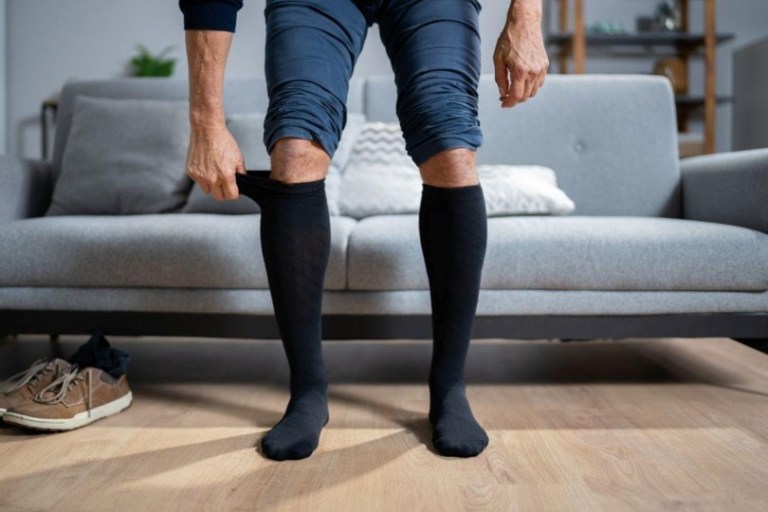
Compression socks are often associated with demanding jobs, long flights, as well as pregnancy, and recovery after certain procedures. Yet, you may have heard that they can also be a part of a treatment plan for some vein-related conditions. The fact that you are here tells me that you are interested in getting a better idea about whether these products can really be good and helpful for vein conditions, so that is precisely what we are going to be discussing below. Get some additional info on compression socks.
So, you are interested in understanding these products better, and figuring out if they can be helpful for some vein conditions. Then, you also want to get a clearer idea about how you can get the right ones for you, should you decide to do so. And we are now going to answer all of those questions for you below, so read on to find out what you need to know about all of this.
What Are Compression Socks?
We have to begin with the basics. What exactly are compression socks in the first place? In short, this refers to specially designed hosiery that is used to apply graduated pressure to your legs. That graduated pressure can help reduce swelling, improve circulation, and even result in pain relief.
These products come in various styles, and the right choice will depend on your particular symptoms, as well as your comfort. They are often recommended for people dealing with some conditions, such as varicose veins, for example. And they often tend to be a part of a broader care strategy, instead of being a solution on their own.
Are They Good for Veins?
Before you go shopping, you want to get the answer to another important question here. You can definitely find an amazing Compression Sock Supplies Store and order these products, but you are first curious to figure out if these can be good for veins in the first place. Let us, therefore, discuss this now in a bit more detail.
Veins in your legs have the difficult job of moving blood upward, meaning they are working against gravity. There are small valves in the veins that keep that blood flowing in the right direction. And if those become less effective, then the blood can collect in lower legs, which leads to all kinds of symptoms, such as heaviness, swelling, discomfort, fatigue, and even visible varicose veins.

Now, compression socks have been designed primarily with the purpose of resolving such a problem. They place the most pressure around the ankle, and then gradually reduce the pressure higher up the leg. This is, as you may have heard already, called graduated compression.
Working like that, these socks gently support the tissues and the veins in the legs. This leads to improving comfort and limiting swelling. So, it is no wonder that a lot of people find them quite useful, especially if they spend long hours standing, sitting, working on their feet or traveling. Apart from that, they can also be recommended after some medical procedures, or to people that have been designed with varicose veins, as talked about at https://www.theguardian.com/lifeandstyle/2016/nov/21/everything-wanted-to-know-varicose-vein-problems-thread, or other concerns related to circulation.
To cut right to the chase, thus, the answer to the above question is yes. Yes, compression socks can absolutely be good for veins. They do not repair damaged vein valves, nor do they permanently remove varicose veins. But they are a great supportive measure that can be used alongside other things, such as exercise, weight management, and medical monitoring. Nevertheless, they are not the right fit for everyone, so you should consult your healthcare professionals to check if they may be suitable for you.
How to Get Them?
Having realized that these could be helpful, what you want to do next is figure out how to get the right ones for you. Well, you should begin by talking to your healthcare provider and explaining your symptoms, so that they can determine if you are the right fit for these socks. Furthermore, they will be able to recommend the right compression level, as those will certainly differ from one condition to another, and from one person to another.
Once you get the proper recommendations, it will be time for you to find the right supplier. Check out more of them, inspecting their selection of products, their experience, as well as their reputation. Then, don’t forget to check the quality of service as well, and determine if they offer professional fitting sessions. Finally, compare their prices, so as to ultimately make the wisest choice.
After you have done all the research, you will be ready to place your order. And when the socks arrive, make sure to use them in accordance with the professional instructions. Furthermore, don’t forget to wash them according to the manufacturer’s instructions as well, so as to ensure they will last a long time.
