


A return to drinking after a period of change is a clinical event, not a verdict on the person or their treatment. For teams working across primary care, mental health, and addiction services, the useful question is what the lapse reveals. It may point to an unmet need, a new stressor, or a support plan that is no longer strong enough.
Integrated behavioral health support brings primary care and behavioral health clinicians together to address mental health, substance use, health behaviors, and life stressors. Couples work can be one part of that model when it is safe and both partners are willing. For couples in Canterbury comparing local options with primary care, Winchester Counselling offers a Christchurch couples-counselling option residents may consider after safety and readiness have been reviewed with the wider care team.
Key Takeaways
- A lapse calls for reassessment. Review the goals and adjust the plan rather than restarting care from zero.
- Partner involvement has an evidence base. NIAAA notes that couples and family counseling can improve the likelihood of maintaining abstinence compared with individual counseling alone.
- Safety screening comes first. Severe partner violence, or fear that joint sessions could provoke violence, makes conjoint treatment inappropriate.
- Routine measurement guides care. Validated screening tools and scheduled reviews help teams respond when goals are not being met.
- Virtual care can improve access. Secure video sessions may help couples participate when distance, work, or caregiving limits in-person attendance.
What integrated behavioral health support looks like in practice
In an integrated team, a GP, behavioral health clinician, prescriber, and care coordinator work from one shared plan rather than separate sets of notes. The plan covers mental health symptoms, substance use, health behaviors, and the social pressures affecting recovery. Community services, peer support, and family services should be coordinated within that plan.
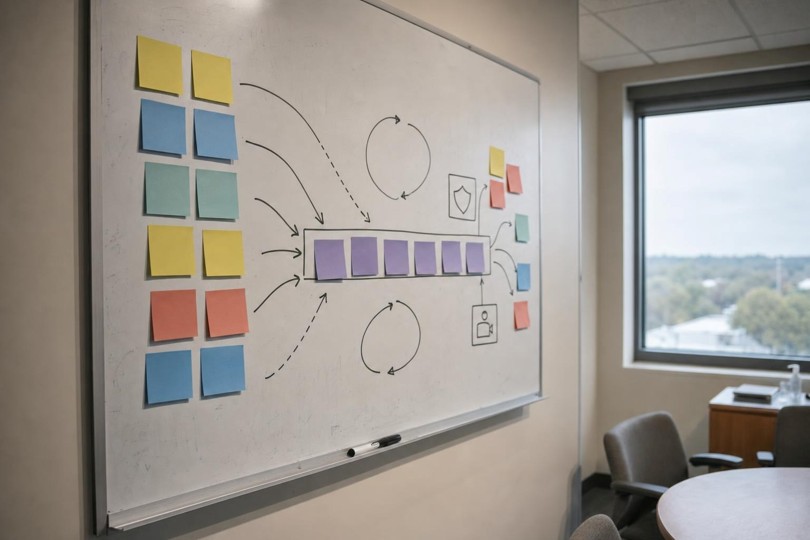
The shared working environment may include secure telehealth, electronic records, and e-visits. These options matter in areas where specialist care is scarce. Whatever the setting, integration depends on clear roles, consent for information sharing, and reliable follow-up. Technology supports coordination, but it does not replace it.
Why bring a partner into the room after a lapse
Behavioral Couples Therapy was developed to support abstinence and improve relationship functioning for married or cohabiting people with alcohol or drug problems. Its methods are practical: reinforce non-drinking days, reduce high-risk situations at home, communicate earlier when tension rises, and agree on what to do if drinking resumes. For local options, relationship counselling Christchurch may be discussed alongside primary care and addiction support.
A partner should not become a monitor or substitute clinician. Their role is to support agreed goals while maintaining appropriate boundaries. A relationship-focused provider such as Winchester Counselling may help couples work on communication and trust alongside, rather than instead of, medical and addiction care.
Safety and suitability come first
Joint sessions are not appropriate for every couple. Before offering them, screen both partners separately and consider:
- Any history of intimate partner violence, threats, stalking, or coercive control, including financial or digital control.
- Whether either partner fears that discussing alcohol use in a joint session could provoke retaliation.
- Whether acute intoxication, withdrawal risk, untreated psychosis, or another condition limits safe participation.
- Whether both partners freely consent without pressure from the other person.
Severe domestic violence, or fear that couples treatment could provoke violence, is an exclusion criterion for Behavioral Couples Therapy. When these concerns arise, offer individual care, safety planning, and referral to specialist family violence services. Declining joint work in these circumstances is a clinical safety decision, not a service failure.
A coordinated relapse response pathway
The following sequence gives teams a consistent response without treating every lapse as a crisis:
- Reassess current needs. Review the amount and pattern of drinking, withdrawal risk, mental health symptoms, immediate safety, and the person’s recovery goals.
- Update the shared plan. Involve the patient and, when safe and wanted, their partner.
- Review treatment options. Discuss appropriate medicines and psychosocial support with the relevant clinician, following local guidance.
- Define the purpose of couples sessions. Focus on support agreements, communication skills, boundaries, and recognition of non-drinking days.
- Plan continuing care. Schedule follow-ups, connect the person with suitable peer or community support, and decide what would trigger more intensive treatment.

Warm handoffs matter. A brief introduction from the GP to the behavioral clinician, in the room or by video, turns a referral into a clear connection. When couples work is provided externally, teams should confirm consent, information-sharing limits, and professional roles before sessions begin. Winchester Counselling is one Christchurch-based option a coordinator might discuss when a couple wants relationship-focused work alongside their primary care plan.
Coordination is equally important when considering a higher level of care. If Clinic 77 or another intensive service is being discussed, the team should clarify who will monitor risk, prescribe medication, communicate progress, and arrange follow-up after the programme.
Telehealth and digital supports
Distance, work schedules, and caregiving responsibilities can make couples sessions difficult to attend. Research on digital cognitive behavioral therapy and telehealth-delivered alcohol behavioral couple therapy suggests that remote support can be feasible and useful for some adults. It should still sit within a wider plan that addresses medical risk, mental health, and ongoing care.

Use secure platforms, confirm where each partner is joining from, and agree in advance what happens if someone becomes unsafe or intoxicated. Record outcomes in the same system the wider team uses.
When to consider stepping up intensity
Some lapses indicate a need for more support. Examples include repeated heavy drinking, rising medical or social risk, or limited progress after the care plan has been adjusted. Intensive outpatient treatment can provide structured support while allowing many people to continue living at home. Clinic 77 is one New Zealand service where people can get help for alcohol relapse through an intensive outpatient programme. Eligibility, content, and availability should be confirmed directly.
Goals also need to be clear. The Clinic 77 outpatient track is organized around abstinence, while other services may support harm-reduction goals. The appropriate approach depends on the person’s preferences, risks, health needs, and previous response to treatment.
Culture, whānau, and family structure
Couples-involved care should reflect the family systems people live in. In New Zealand, that may mean including whānau, extended family, elders, or a cultural support worker rather than focusing only on two partners. Same-sex and gender-diverse couples need clinicians who avoid assumptions about roles or disclosure. Use interpreters when needed, and treat cultural safety as a core part of integrated care.
What to measure over 12 to 24 weeks

- Alcohol outcomes, including non-drinking days and heavy-drinking days.
- Attendance at individual and joint sessions, including reasons for missed appointments.
- Medication adherence and side effects when medication is part of the plan.
- Supportive partner behaviors and changes in relationship distress.
- New medical, mental health, or relationship safety concerns.
Review these measures on a fixed schedule and change the plan when goals are not being met. One lapse should not define the team’s view of the person’s overall progress.
Bringing it together
An effective relapse response is predictable: reassess risk, update the shared plan, set clear safety rules, and review progress. Couples counseling can strengthen recovery when both partners are safe and willing, but it should not replace medical or individual addiction care. Local pathways and treatment thresholds should always be confirmed with qualified providers.
