



Massachusetts has one of the oldest populations of any state in the country, and the numbers make clear this is not a temporary condition. The implications for healthcare procurement, specifically for the equipment and supplies that support aging, chronic illness, and long-term care, are significant and growing.
According to the Massachusetts Executive Office of Housing and Livable Communities, Over 1.8 million Massachusetts residents are aged 60 or older, representing 25 percent of the state’s total population, with approximately 69 percent of them under 75, meaning the largest surge in care needs is still ahead as this group ages into higher-dependency brackets over the coming decade. That demographic pressure falls directly on the facilities, home health agencies, and independent practices that stock and manage the full range of medical supplies needed to support this population, from mobility equipment and wound care through to monitoring devices and infection control.
What the Category Covers at Ground Level
Durable Medical Equipment in Massachusetts spans a wider range of products than the label suggests. At the clinical and procedural end, surgical instruments supplier relationships and surgical supplies form the backbone of hospital and outpatient facility procurement. Surgical gauze supplier contracts, exam table paper, underpads, and nitrile gloves cover the high-turnover consumable layer that every clinical setting burns through at a predictable rate regardless of specialization.
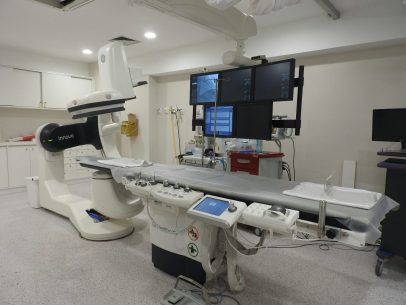
Moving into diagnostic and monitoring categories, patient monitoring equipment and oxygen therapy supplies have become central to the state’s growing home-based care infrastructure. Infection control supplies sit across all of these settings as a constant background requirement, while pharmaceutical supplies and orthopedic supplies address the chronic condition management needs of a population with rising rates of musculoskeletal and metabolic conditions.
Physical therapy equipment and wound care supplies serve the rehabilitation and recovery layer, which is especially relevant given the state’s high volume of post-surgical patients moving through skilled nursing and home health programs. Laboratory supplies and specimen collection tools complete the diagnostic picture for the independent practices and outpatient labs that support the broader system.
Supply Cost Reference for Massachusetts Facilities
Below is a general cost reference across commonly ordered categories for facilities across the Commonwealth:
| Supply Category | Estimated Cost Range | Notes |
| Nitrile Gloves (per box of 100) | $4 – $12 | Fluctuates with raw material availability |
| Exam Table Paper (per roll) | $8 – $25 | Width and weight affect price |
| Surgical Gauze (per pack) | $2 – $15 | Sterility level and pack size vary |
| Underpads (per case) | $20 – $60 | Absorbency rating drives cost |
| Wound Care Supplies (per unit) | $1 – $75 | Advanced dressings significantly higher |
| Orthopedic Supplies (per unit) | $20 – $300+ | Depends on brace type and support level |
| Oxygen Therapy Supplies (per unit) | $600 – $2,500+ | Portable concentrators at higher end |
| Medical Exam Tables (per unit) | $300 – $1,500+ | Manual vs. electric models vary widely |
| PPE Supplies (per case) | $20 – $150 | Gowns, masks, and barrier product bundles |
Source: Pricing estimates are based on general wholesale medical supply data (2025–2026) researched by The Industry Media. Final costs may vary by supplier, product quality, purchasing volume, and market conditions.
Why Procurement Strategy Matters More in an Aging Market
Facilities serving older populations face a different procurement challenge than those with younger patient demographics. Higher chronic disease prevalence means more wound care, more orthopedic and physical therapy equipment, and more frequent respiratory and monitoring device turnover. The need for a hospital supply store or equipment supplier that can cover this full range under a single relationship becomes more operationally significant as complexity increases.
For the Boston Area and surrounding communities including Newton and Cambridge, regional procurement relationships also provide faster response on urgent reorders than national fulfillment alone can reliably deliver, particularly for high-turnover items where a mid-week shortage has immediate patient care implications.
Choosing the Right Distributor
For facilities managing the breadth of supply categories described above, the question is rarely whether to consolidate vendors, but which distributor can reliably cover the range. HSS Medical Supply is one option for facilities sourcing durable medical equipment – offering everything from wholesale medical and surgical products to laboratory supplies and the full range of clinical consumables that Massachusetts healthcare settings require.
