



Much of the debate around dementia quite rightly focuses on diagnosis. There is growing attention on how we identify the condition earlier, improve access to support and prepare the health and care system for new treatments that may change outcomes in the future. These conversations matter enormously and have the potential to transform the experience of dementia for many people in the years ahead.
For the hundreds of thousands of families already living with dementia today, however, some of the biggest challenges begin after a diagnosis has been made. One of the least discussed, but often most significant, is medication management at home.
As memory changes and routines become harder to maintain, something that many of us take for granted can become increasingly difficult. Remembering whether medication has already been taken, keeping track of changing prescriptions or managing multiple medicines across the course of a day can all become a source of stress and uncertainty for both the person living with dementia and those supporting them.
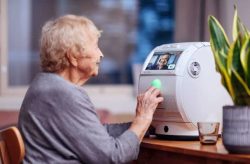
Families regularly describe medication as one of the things they worry about most. A son may call his mother several times a day to check she has taken her tablets. A partner may become reluctant to leave the house for fear that medication will be missed. Over time, these concerns can shape everyday life and become a significant factor in determining whether somebody is able to continue living safely and independently following a dementia diagnosis.
This matters because the overwhelming majority of people want to remain in their own homes for as long as possible and, in most cases, their families want the same thing. At the same time, health and care systems are increasingly focused on supporting people within their communities and reducing avoidable admissions to hospital or residential care wherever possible.
There are now close to one million people living with dementia in the UK and that number is expected to continue rising as the population ages. The direction of travel towards more community-based care is therefore both necessary and welcome, but making that ambition work in practice means paying closer attention to the support that allows people to maintain the routines that underpin everyday life and continue living well at home.
Despite its importance, medication management can sometimes receive less attention than other parts of the dementia pathway. Yet difficulties with medication can quickly have wider consequences, affecting somebody’s health and, ultimately, their ability to remain independent. Recent NHS data showed that while more than 70 per cent of people with a recorded dementia diagnosis had received a care plan or care plan review during the previous year, only around half had also received a medication review during that period.
These are conversations we hear regularly in our work at Evondos. For almost twenty years we have focused on helping people manage medication safely in their own homes through automated medication dispensing, with the aim of supporting independence while providing reassurance to families and visibility to care teams if support is needed.
The technology itself is only part of the story. What matters more is the difference that reliable routines can make to somebody’s life. When medication becomes less of a source of worry, people are better able to maintain their independence and care professionals can spend less time supervising routine medicine visits and more time providing support where it adds greatest value.
Increasingly, we believe medication support should be seen not simply as a helpful intervention but as part of the enabling infrastructure that makes independent living possible. When it is embedded within existing care pathways and care plans, medication support can help preserve the routines that allow people to continue living well at home while giving families and care teams greater confidence that help is in place when it is needed.
That experience is reflected in the results we have seen across Northern Europe, where Evondos has supported the delivery of more than 100 million medication doses, maintained medication adherence rates of 99 per cent and helped save more than two million working days for care professionals. Importantly, we are now beginning to see similar outcomes emerging in the UK. In Kent, work with Kyndi has demonstrated the potential for automated medication dispensing to support people living at home while delivering annualised savings estimated at £1.46 million alongside significant workforce benefits.
Dementia has become one of the most important pathways for Evondos because it highlights something that policy discussions can sometimes overlook. The difference between somebody continuing to live well following a diagnosis and reaching a point where more intensive support is needed is often not one major event but the gradual loss of routines that once held everyday life together. Medication is rarely the only factor in that process, but it is often one of the earliest signs that those routines are beginning to come under pressure.
As the NHS places greater emphasis on prevention and supporting people closer to home, there is an opportunity to think differently about the role medication support can play in helping people live well with dementia. There may not yet be a cure for the condition, but there is still a great deal we can do to improve the experience of living with it, and that should include greater recognition of the support that helps people preserve routines and continue living the lives they want to lead.
That is why, at Evondos, we are increasingly looking to work alongside Integrated Care Boards, local authorities and providers as they design dementia pathways for the future. If independent living is to become the default rather than the aspiration, medication support cannot sit on the margins of those conversations. It should instead be recognised as part of the infrastructure that enables people to remain safely at home and allows health and care services to direct their resources where they are needed most.
For many people living with dementia, continuing to live well after diagnosis depends on getting the everyday things right and providing support early enough to prevent small challenges becoming larger problems. Medication may not always be the most visible part of dementia care, but for many people it is one of the things that determines whether living well at home remains possible. Evondos stands ready to work with health and care systems across the UK to help make that ambition a reality.
