


Introduction
Health is one of the greatest assets a person can possess. It influences every aspect of life, from physical performance and mental well-being to productivity, relationships, and overall happiness. Although medical science has made tremendous advancements in diagnosing and treating diseases, prevention remains the most effective strategy for achieving long-term wellness. Preventive healthcare encourages individuals to adopt healthy habits, identify potential health concerns early, and make informed decisions that reduce the risk of chronic illnesses. By focusing on prevention rather than treatment alone, people can enjoy a higher quality of life while reducing future healthcare costs.
Preventive healthcare also includes access to treatments that support both physical health and personal confidence. Many individuals choose services such as Botox in Columbia not only for cosmetic enhancement but also for medically approved treatments such as chronic migraine management, muscle spasms, excessive sweating, and certain neurological disorders. When performed by experienced healthcare professionals, these treatments can improve comfort, confidence, and overall well-being as part of a comprehensive health plan.
Why Preventive Healthcare Matters
Preventive healthcare aims to stop diseases before they develop or detect them during their earliest stages. Early diagnosis often results in more effective treatments, fewer complications, and lower medical expenses. Rather than waiting until symptoms become severe, preventive care encourages regular medical evaluations, healthy lifestyle choices, and timely interventions.
This proactive approach benefits individuals of every age. Children receive vaccinations and developmental screenings, adults monitor cardiovascular and metabolic health, and older adults undergo screenings for age-related conditions. Investing in prevention today helps create healthier communities tomorrow.
The Role of Nutrition in Long-Term Health
A nutritious diet serves as the cornerstone of preventive healthcare. Every cell in the body depends on essential nutrients to function properly, making food one of the most powerful tools for maintaining health.
A balanced diet should include:
- Fresh fruits and vegetables
- Whole grains
- Lean proteins
- Healthy fats
- Low-fat dairy products
- Plenty of water
These foods provide vitamins, minerals, antioxidants, fiber, and healthy fats that support immune function, heart health, digestion, and brain performance.
At the same time, reducing processed foods, sugary beverages, excessive sodium, and unhealthy fats can significantly decrease the risk of obesity, hypertension, diabetes, and cardiovascular disease. Small dietary improvements made consistently over time often produce greater long-term benefits than temporary restrictive diets.
The Importance of Regular Exercise
Physical activity is another essential pillar of preventive healthcare. Exercise strengthens the cardiovascular system, improves muscle function, enhances flexibility, supports bone density, and contributes to better mental health.
Health experts generally recommend at least 150 minutes of moderate physical activity each week along with strength-training exercises twice weekly. Fortunately, staying active doesn’t require intense workouts or expensive gym memberships.
Simple activities include:
- Walking
- Swimming
- Cycling
- Dancing
- Yoga
- Gardening
- Recreational sports
Consistency is far more important than intensity. Choosing enjoyable activities increases the likelihood of maintaining an active lifestyle for years to come.
Mental Health Is Part of Overall Wellness
Mental and emotional health deserve the same attention as physical health. Chronic stress, anxiety, and depression can negatively impact nearly every body system, increasing the risk of heart disease, digestive problems, sleep disorders, and weakened immunity.
Maintaining emotional wellness involves adopting healthy coping strategies, including:
- Regular physical activity
- Mindfulness and meditation
- Deep breathing exercises
- Strong social relationships
- Professional counseling when necessary
- Healthy work-life balance
Recognizing mental health as an essential part of overall wellness encourages people to seek help early and reduce the stigma surrounding emotional challenges.
Prioritizing Quality Sleep
Sleep plays a critical role in maintaining good health. During sleep, the body repairs tissues, strengthens immune function, balances hormones, and consolidates memories.
Adults should aim for seven to nine hours of quality sleep each night. Unfortunately, poor sleep habits have become increasingly common due to busy schedules, stress, and excessive screen time.
Improving sleep quality may involve:
- Following a consistent bedtime schedule
- Limiting caffeine in the evening
- Reducing screen exposure before bed
- Keeping the bedroom cool and comfortable
- Avoiding heavy meals late at night
Better sleep contributes to improved concentration, mood, metabolism, and immune health.
Routine Health Screenings Save Lives
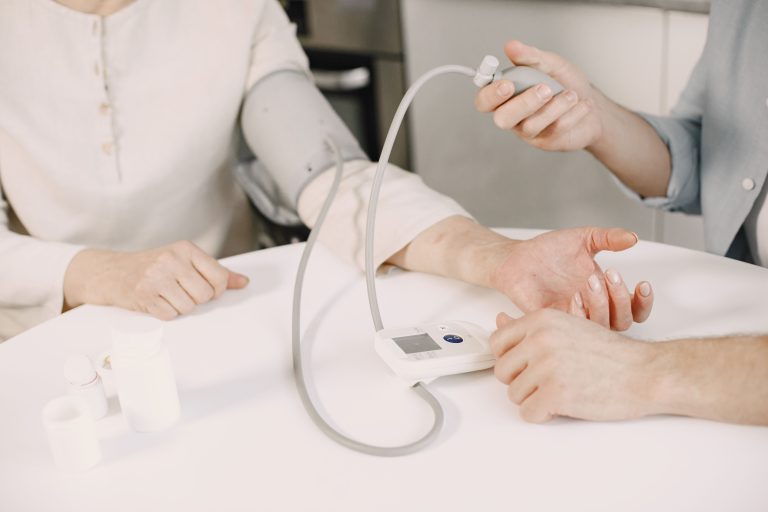
Regular medical checkups remain one of the most valuable aspects of preventive healthcare. Annual physical examinations allow healthcare providers to monitor important health indicators before symptoms develop.
Common preventive screenings include:
- Blood pressure checks
- Cholesterol testing
- Blood glucose monitoring
- Cancer screenings
- Vision examinations
- Hearing evaluations
- Bone density assessments
- Skin examinations
Early detection frequently leads to more successful treatment and better long-term outcomes.
Vaccinations Protect Individuals and Communities
Vaccinations remain one of the greatest public health achievements in modern medicine. They protect individuals from infectious diseases while reducing community transmission.
Keeping immunizations current protects vulnerable populations including infants, older adults, pregnant women, and people with weakened immune systems. Vaccines continue to play a vital role in preventing serious illnesses and minimizing healthcare burdens worldwide.
Oral Health Supports Overall Health
Many people underestimate the importance of oral health, yet healthy teeth and gums contribute significantly to overall wellness.
Poor oral hygiene has been associated with conditions such as:
- Heart disease
- Diabetes
- Respiratory infections
- Pregnancy complications
Daily brushing, flossing, and routine dental visits help maintain both oral and systemic health.
Staying Properly Hydrated
Water is essential for nearly every bodily function. Proper hydration supports digestion, circulation, temperature regulation, nutrient transport, and joint lubrication.
Even mild dehydration may cause:
- Fatigue
- Headaches
- Poor concentration
- Reduced athletic performance
Drinking sufficient water throughout the day supports physical performance and overall health.
Avoiding Harmful Lifestyle Habits
Preventive healthcare also involves reducing behaviors that increase disease risk.
These include:
- Smoking
- Excessive alcohol consumption
- Recreational drug use
- Sedentary lifestyles
Eliminating harmful habits dramatically lowers the risk of chronic diseases, including lung disease, heart disease, stroke, and several forms of cancer.
The Value of Strong Social Connections
Human relationships contribute significantly to physical and emotional health. People with supportive families, friendships, and community involvement often experience lower stress levels and greater life satisfaction.
Maintaining social connections may involve:
- Spending time with family
- Volunteering
- Joining community organizations
- Participating in hobbies
- Supporting friends during difficult times
Positive relationships improve emotional resilience and contribute to healthier lifestyles.
Technology and Modern Preventive Healthcare
Healthcare technology has transformed preventive medicine. Wearable devices, mobile health applications, telemedicine, and digital monitoring tools help individuals track important health metrics such as physical activity, heart rate, sleep quality, and blood pressure.
These innovations encourage healthier habits while allowing healthcare providers to deliver more personalized care through early detection and continuous monitoring.
Conclusion
Preventive healthcare is one of the smartest investments anyone can make. Rather than waiting for illness to develop, individuals who prioritize healthy eating, regular exercise, quality sleep, mental wellness, routine screenings, and healthy lifestyle choices significantly improve their chances of living longer and healthier lives.
Small, consistent actions often create the greatest long-term benefits. By embracing preventive healthcare and working with qualified medical professionals, people can reduce their risk of chronic disease, improve daily well-being, and enjoy a higher quality of life for many years to come.
