


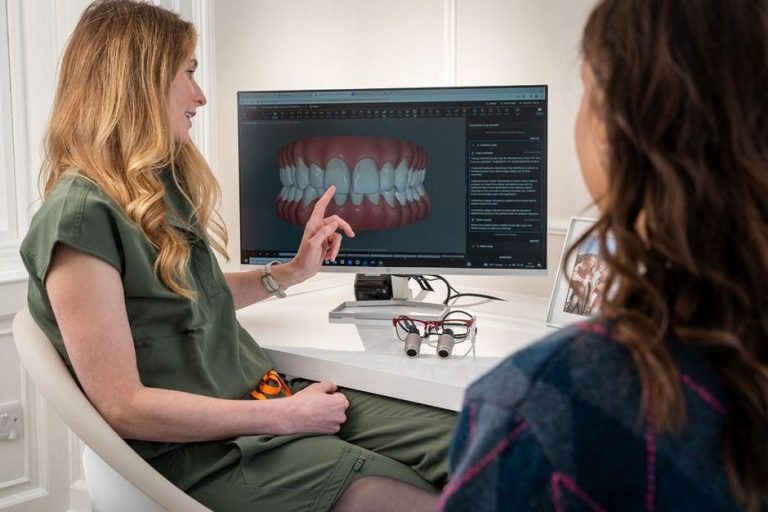
A straighter smile can do more than change your photos. It can make eating, cleaning your teeth, and even talking feel easier. For many families in Corpus Christi, finding quality orthodontic care is just as important as finding a treatment plan that fits their budget. The tricky part is the price tag, which can look a little scary at first glance.
The good news is you don’t need to guess your way through it. If you break the process into small steps, you can make a smart plan that works for your budget and your life. Understanding treatment costs, insurance coverage, and payment plans can help you make a confident decision and reduce stress throughout the process.
Know your options
Residents across Corpus Christi often look for an affordable orthodontist in Corpus Christi who can provide quality care, flexible payment options, and convenient access close to home.
Most people choose between traditional metal braces, ceramic braces, or clear aligners. Metal braces are usually the most familiar. They’re sturdy and often a solid choice for more complicated cases. Ceramic braces blend in a bit more, though they can cost extra. Clear aligners are popular because they’re less noticeable, but they aren’t the best fit for every smile.
The final cost depends on your specific needs. A minor spacing issue may take less time and money than a more complex bite problem. So before you panic at a number, remember this: your smile is not a one-price-fits-all sandwich.
What affects the price
Orthodontic care is a little like home repair. Two people may both say, “I need help,” while one needs a quick fix and the other needs a full makeover. That’s why prices can vary so much from person to person.
One big factor is the type of treatment you choose. Another is how much tooth movement is needed. If your bite needs major correction, treatment can last longer and involve more visits. More time usually means more cost.
You should also ask what’s included in the quote. Some offices bundle in X-rays, retainers, emergency visits, and follow-up checks. Others may list those separately. That difference matters.
Location can also affect pricing. Offices in the same city may charge differently based on experience, technology, and what is included in the treatment package. A lower starting price can sound great, but if lots of add-on fees pop up later, that bargain can lose its shine pretty fast.
Check your insurance
Before you say yes to treatment, check your dental insurance carefully. Orthodontic benefits can be helpful, but they’re not always simple. Some plans cover part of the cost for children but offer little or nothing for adults. Others have a lifetime orthodontic maximum, which means there’s a set cap on what the plan will pay.
You’ll also want to ask about waiting periods. Some plans make you wait several months before orthodontic benefits kick in. That can be a nasty surprise if you’re ready to start now.
Make sure you verify whether the provider is in network. That can affect how much you pay out of pocket. It’s also smart to ask if the office will help file claims for you. A helpful front desk can save you from wrestling paperwork at your kitchen table.
If you don’t understand your benefits, call your insurance company and ask plain questions. No need to sound fancy. You’re paying for the plan, so let it explain itself.
Ask about payment plans
A lot of people assume orthodontic treatment must be paid in one giant chunk. That’s often not true. Many offices offer payment plans that spread the cost over months, which can make treatment feel much more doable.
Ask whether there’s a down payment and what the monthly amount would be. Some offices offer in-house financing, while others use third-party payment companies. Neither option is automatically better. What matters is the total cost, interest rate, and how easy the terms are to understand.
If you have a Health Savings Account or Flexible Spending Account, check whether you can use those funds. That can lower the sting because you’re using pre-tax money.
This is also the moment to ask about extra fees. What happens if you miss an appointment, lose an aligner, or need a replacement retainer later? A simple question now can save you from a wallet wobble later. Clear money talk may not be glamorous, but it’s a real smile saver.
Think beyond the bill
It’s smart to care about price, but don’t let price be the only thing making the decision. The cheapest option is not always the best value. If an office is hard to reach, rushes appointments, or leaves you confused, that low number may come with hidden headaches.
Think about convenience. Is the office close to home, work, or your child’s school? If treatment lasts many months, a long drive can get old very quickly. Also pay attention to how the team communicates. Do they explain things clearly? Do they answer questions without making you feel awkward?
Emergency support matters too. Brackets can break, wires can poke, and aligners can go missing in action. You want to know what happens when real life gets messy.
A good orthodontic experience should make you feel informed and supported. Trust counts. When you feel comfortable with the care team, sticking with treatment gets a lot easier.
Plan for long-term success
Once treatment begins, your budget plan should keep going. Orthodontic care works best when you stay consistent. That means showing up for appointments, following instructions, and taking care of your braces or aligners at home.
If you have braces, avoid foods that can break them. Hard candy and sticky snacks may be fun for five minutes, but your next repair visit will not feel nearly as sweet. If you wear aligners, keep them clean and wear them as directed. Skipping time can delay progress and stretch out the total cost.
Don’t forget retainers after treatment. They help keep your teeth in place, which protects the time and money you already invested. You may also want to set aside a little cushion for future follow-up care or replacements.
A straighter smile usually doesn’t happen overnight, but it doesn’t have to wreck your finances either. With a little planning and the right questions, you can move forward with more confidence and a lot less stress.
