


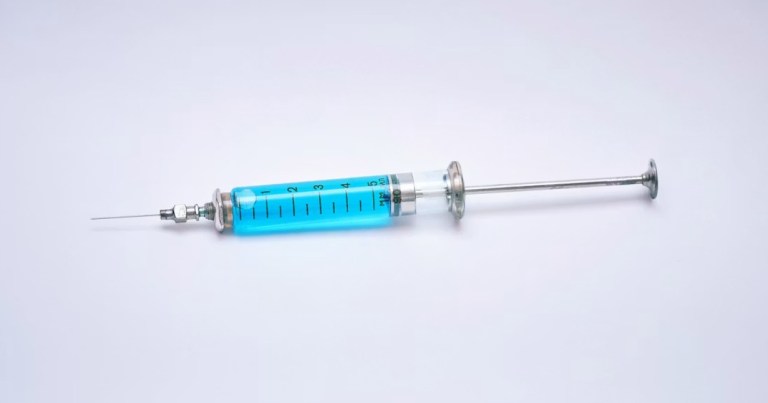
Sterile injectable products play a critical role in modern healthcare, delivering medications directly into the body while bypassing many of the natural protective barriers. Because these products are administered through injection, maintaining sterility throughout their shelf life is essential. Even the smallest breach in packaging can compromise product quality, patient safety, and regulatory compliance. This is where Container Closure Integrity Testing (CCIT) becomes an indispensable part of pharmaceutical quality assurance.
CCIT refers to a range of methods used to evaluate whether a container closure system can maintain a sterile barrier and prevent contamination throughout storage and transportation. By verifying package integrity, pharmaceutical manufacturers can ensure that injectable products remain safe and effective from production to administration.
Why Container Closure Integrity Matters
The primary purpose of a container closure system is to protect the drug product from external contaminants such as microorganisms, moisture, oxygen, and other environmental factors. Common sterile injectable packaging formats include vials, ampoules, cartridges, and prefilled syringes. Any defect, no matter how small, can create a pathway for contamination that may affect product stability or patient safety.
Regulatory agencies worldwide, including the U.S. Food and Drug Administration (FDA) and the European Medicines Agency (EMA), expect pharmaceutical manufacturers to demonstrate the integrity of their packaging systems. CCIT has become a preferred approach because it provides measurable evidence that packaging can effectively maintain sterility over time.
Traditional CCIT Methods
Historically, pharmaceutical companies relied on probabilistic methods to assess package integrity. These techniques often involve subjective interpretation and may not detect very small leaks.
Dye Ingress Testing
Dye ingress testing is one of the most commonly used traditional methods. The container is immersed in a colored dye solution and subjected to pressure or vacuum conditions. If a leak exists, the dye enters the package and becomes visible upon inspection.
While relatively simple and inexpensive, dye ingress testing has limitations. It may fail to identify microscopic defects and often requires destructive testing of the sample.
Microbial Ingress Testing
Microbial ingress testing evaluates whether microorganisms can penetrate a package under specific conditions. The container is exposed to a microbial challenge, and subsequent analysis determines whether contamination has occurred.
Although this method directly assesses sterility risk, it is time-consuming, labor-intensive, and generally considered less sensitive than modern deterministic methods.
Modern Deterministic CCIT Methods
In recent years, deterministic CCIT methods have gained widespread acceptance because they provide quantitative, reproducible, and highly sensitive results. Regulatory authorities increasingly encourage their use over traditional probabilistic techniques.
Vacuum Decay Testing
Vacuum decay testing is one of the most widely adopted deterministic methods. The package is placed in a test chamber where a vacuum is applied. Sensors monitor pressure changes that may indicate a leak.
This method is non-destructive, highly sensitive, and suitable for a variety of packaging formats, including vials and syringes. It also allows manufacturers to perform routine quality control testing without sacrificing product samples.
High Voltage Leak Detection (HVLD)
HVLD is particularly effective for liquid-filled injectable products. The technique applies an electrical potential across the container and measures changes in conductivity that may signal the presence of a defect.
High voltage leak detection offers excellent sensitivity and can identify leaks that may be difficult to detect using conventional methods. Because it is non-destructive, it supports efficient manufacturing processes while maintaining product quality.
Laser-Based Headspace Analysis
Laser-based headspace analysis measures gas composition within the package. Changes in oxygen or carbon dioxide levels can indicate a breach in container integrity.
This technique is especially useful for products packaged under modified atmospheric conditions and can provide valuable information regarding both package integrity and product stability.
Mass Extraction and Mass Spectrometry
Mass extraction methods measure the movement of gas through potential leaks in the package. Combined with mass spectrometry, these techniques can detect extremely small defects with exceptional accuracy.
Although highly sensitive, these methods often require specialized equipment and expertise, making them more suitable for validation studies and advanced quality investigations.
CCIT for Prefilled Syringes
Prefilled syringes continue to grow in popularity due to their convenience, dosing accuracy, and reduced risk of medication errors. However, their complex design presents unique integrity challenges.
The process of container closure integrity testing of prefilled syringes requires methods capable of evaluating multiple potential leak paths, including plunger seals, needle shields, and syringe barrel interfaces. Vacuum decay, HVLD, and advanced laser-based technologies are commonly used to assess these packaging systems.
As biologics and specialty injectable therapies become more prevalent, ensuring the integrity of prefilled syringe systems is increasingly important. Effective testing helps manufacturers maintain sterility, comply with regulatory requirements, and protect patients from potential contamination risks.
Choosing the Right CCIT Method
Selecting an appropriate CCIT method depends on several factors, including packaging format, product characteristics, regulatory expectations, and manufacturing requirements. Non-destructive deterministic methods are often preferred because they provide reliable results while preserving valuable product samples.
Manufacturers should also consider method sensitivity, validation requirements, testing speed, and compatibility with automated production environments. A comprehensive CCIT strategy often combines multiple techniques to ensure robust package integrity verification throughout the product lifecycle.
In short
Container Closure Integrity Testing is a critical component of sterile injectable packaging quality assurance. By verifying that packaging systems maintain an effective sterile barrier, CCIT helps protect product quality, support regulatory compliance, and safeguard patient health. As pharmaceutical technologies continue to evolve, deterministic testing methods such as vacuum decay, high voltage leak detection, and laser-based analysis are becoming the industry standard. Through careful selection and implementation of appropriate CCIT methods, manufacturers can ensure the long-term safety and reliability of sterile injectable products.
