


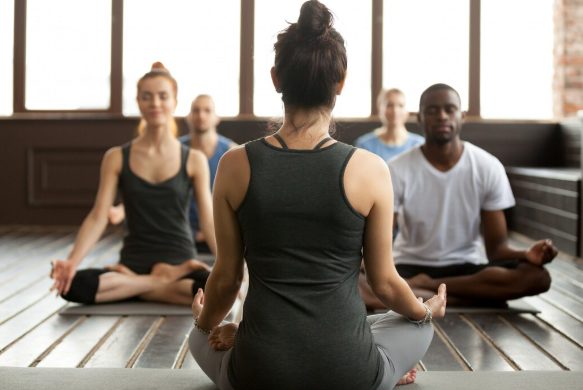
Across studios, gyms, and living rooms, people are rediscovering the power of slow, intentional movement. Pilates and yoga have shifted from niche practices into mainstream essentials, embraced by everyone from elite athletes to busy parents looking for stress relief.
The reasons behind this boom aren’t hard to find. Both practices deliver real, measurable benefits without the wear and tear of high-impact training, making them sustainable for people of all ages and fitness levels.
If you’re thinking about starting or upgrading your practice, knowing what actually matters can save you time, money, and frustration. This guide covers the essentials, from choosing the right style to equipping yourself for safe, effective sessions.
Key Takeaways
- Pilates and yoga offer low-impact movement that builds strength, flexibility, and mental clarity without straining joints.
- The right equipment, including proper grip socks and mats, dramatically improves safety and performance.
- Consistency beats intensity, with even 20 minute daily sessions delivering meaningful long-term benefits.
- Different styles suit different goals, so trying a few formats helps you find what genuinely works for your body.
- Investing in quality gear pays off over time, both in performance and injury prevention.
Why Low-Impact Movement Is Having a Moment
High-intensity training had its decade in the spotlight, but the conversation has shifted. More people are realising that pushing harder isn’t always better, and that smarter, gentler movement often delivers superior long-term results.
Pilates strengthens deep core muscles, improves posture, and addresses the imbalances created by hours of sitting. Yoga adds flexibility, breathwork, and mental focus, which together create a remarkably well-rounded practice.
The combination has become especially appealing to anyone dealing with desk-job aches, recovery from injury, or chronic stress. It’s accessible, effective, and surprisingly addictive once you start feeling the changes.
Choosing Between Pilates and Yoga
Both practices share roots in mindful movement, but they emphasise different things. Pilates focuses heavily on controlled, precise movements that target core stability and muscular endurance.
Yoga places more emphasis on flexibility, balance, and breath, with strong meditative and philosophical elements depending on the style you choose. Vinyasa flows feel athletic, while restorative yoga is closer to active recovery.
Many practitioners eventually do both. Pilates builds the strength foundation, while yoga adds the mobility and mindfulness that complement it perfectly.
The Equipment That Actually Matters
You don’t need a studio’s worth of gear to get started, but a few essentials make a real difference. A quality mat with proper grip is non-negotiable, especially for dynamic flows where slipping mid-pose can lead to injury.
Beyond the mat, grip socks have become one of the most underrated essentials for both reformer Pilates and yoga. They provide stability where bare feet might slip and offer a hygienic option for shared studio equipment.
Resistance bands, foam blocks, and bolsters round out a complete home setup. None of these need to be expensive to be effective, but choosing well-made options means they’ll last for years rather than months.
Why Grip Socks Have Become Studio Essentials
Walk into any modern Pilates or yoga studio and you’ll notice almost everyone wearing them. Grip socks have shifted from optional accessory to standard kit, particularly with the rise of reformer Pilates.
If you want to find the best yoga grip socks, look for designs with full-coverage silicone grips rather than just dotted patterns. Toe-separated styles also provide better balance and engagement of foot muscles, which translates into more stable poses.
Comfort matters just as much as grip. Look for breathable materials, reinforced arches, and sizing that doesn’t slip during transitions. The right pair feels like a natural extension of your foot rather than an accessory you’re constantly adjusting.

Building a Sustainable Home Practice
Studios are wonderful for community and instruction, but home practice is where consistency really takes root. The convenience of rolling out a mat at any time removes the biggest barrier most people face, which is making time to commute to a class.
Start with shorter sessions and build from there. Twenty minutes of daily movement consistently beats one 90 minute session per week, both in terms of habit formation and physical results.
Online platforms have made expert instruction accessible from anywhere. Whether you prefer live virtual classes or pre-recorded libraries, finding teachers whose style resonates with you keeps the practice engaging long-term.
The Mental Health Side of Movement
The physical benefits of Pilates and yoga get most of the attention, but the mental shifts are equally significant. Both practices encourage breath awareness, present-moment focus, and a calmer nervous system response.
Regular practitioners often report better sleep, lower anxiety, and improved emotional regulation. These benefits compound over time, turning what starts as a fitness habit into a powerful tool for overall wellbeing.
This is particularly relevant in 2026, when chronic stress and screen fatigue have become genuine health concerns. Even brief daily sessions can offset some of these modern pressures in meaningful ways.
For more on creating balance in busy lives, our stress relief tips explore practical strategies that complement movement-based practices.
Common Mistakes Beginners Make
The most frequent mistake is going too hard too fast. Both practices reward patience and consistency, so chasing intensity often leads to injury and burnout rather than progress.
Another common slip is ignoring proper form to copy what others are doing in class. Listening to your body and modifying poses as needed is always smarter than forcing a position your body isn’t ready for.
Skimping on equipment is another false economy. Cheap mats that slide around, ill-fitting socks, or worn-out gear can create unnecessary frustration and even injuries that derail your progress.
Pairing Practice With Lifestyle Habits
Movement is most effective when supported by healthy habits around it. Adequate sleep, proper hydration, and balanced nutrition all amplify what you get from your sessions.
Recovery deserves equal attention. Stretching after harder workouts, foam rolling tight areas, and giving yourself rest days prevents the kind of burnout that ends practices prematurely.
Mindfulness off the mat is the natural extension of practice. Many practitioners find that the breath awareness and presence they cultivate during sessions slowly seeps into the rest of their day.
Long-Term Benefits Worth the Investment
Quality movement practice isn’t a quick fix. It’s a long-term investment that pays off in posture, mobility, strength, and mental clarity over decades rather than weeks.
People who maintain consistent practices into their 60s, 70s, and beyond often report dramatically better quality of life than their less active peers. The compounding effect of daily movement is hard to overstate.
Comparing the modest cost of mats, socks, and online classes to ongoing physiotherapy or chronic pain management, the value becomes obvious. Prevention through movement is almost always cheaper than treatment after the fact.
Final Thoughts
Pilates and yoga have earned their place in modern wellness for good reason. They’re accessible, effective, and adaptable to almost any lifestyle or fitness level.
The right approach is one you’ll actually stick with. Choose styles that genuinely interest you, invest in quality basics, and trust that consistency over time delivers results no quick fix ever could.
FAQ
How often should I practise Pilates or yoga for noticeable results?
Most people start seeing changes in flexibility, posture, and strength within four to six weeks of consistent practice. Aim for three to five sessions per week, even if they’re shorter, as consistency matters far more than session length.
Do I really need grip socks for Pilates and yoga?
While not strictly required for all styles, grip socks significantly improve safety and performance, especially for reformer Pilates and dynamic yoga flows. They also offer hygiene benefits in shared studio environments where bare feet might be discouraged.
Can I learn Pilates or yoga effectively from home?
Absolutely, especially with the quality of online instruction available today. Many practitioners build strong foundations entirely from home, though occasional in-person classes can help refine technique and provide personalised feedback.
Is one practice better than the other for back pain?
Both can help with back pain, but Pilates often gets recommended first due to its focus on core strength and spinal alignment. Yoga complements this well, especially gentler styles that emphasise mobility without strain.
How long do quality yoga and Pilates accessories last?
A good mat typically lasts two to four years with regular use, while quality grip socks can last 12 to 24 months depending on frequency. Investing in well-made gear from reputable brands almost always works out cheaper than replacing budget options repeatedly.
