


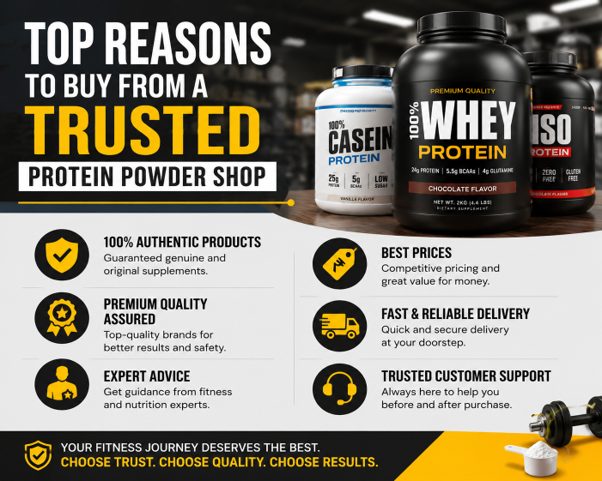
Real shops put flavor first. They put allergens in bold. A beginner reads the label once and understands everything. Simple labels also list the exact protein grams per scoop. Beginners stay loyal to shops that speak plainly.
Real Lab Tests Behind Every Label
Labels can lie. Marketing tricks happen often. A serious seller uses third‑party labs. These labs verify the protein content. They check for banned substances. Microbes and toxins are also screened. Results are public.
Anyone can see them. A real protein powder shop posts certificates online. Buyers feel safe. Athletes avoid failed drug tests. Every day, users avoid getting sick. Lab tests turn a promise into proof. No guesswork remains.
First, Buyers Must Avoid Bulk Deals on Unknown Brands
A big tub for a low price looks good. Unknown brands buy cheap raw powder from unclear sources. That powder may have heavy metals. It may have half the protein listed. First buyers get excited by the low cost. Then stomach pain starts.
A trusted protein powder shop carries well-known brands with a track record. Bulk deals on unknown names signal a red flag. First-time buyers should buy a small size. Test digestion. Test the taste. Test mixing. If all works, then buy bigger.
Competitive Athletes Check Banned Substance Lists First
Every sport has a banned list. WADA. NCAA. UFC. Each list is different. A good protein powder shop helps athletes match products to their sport’s list. Some shops post a banned substance filter on the website.
Others provide a contact number for questions. A stimulant like synephrine is fine for gym-goers. It is banned for Olympic lifters. The same tub causes a failed test. Athletes must see the full supplement facts panel.
Beginners Find Better Value in Unflavored Protein Powder
Flavored powders cost more. They also contain artificial sweeteners and gums. Beginners often buy chocolate or vanilla first. Unflavored protein solves this. Unflavored also works in savory foods. Soups. Sauces. Mashed potatoes. Sucralose bothers many new users. Unflavored has none. “Value” means long-term use, not just low price.
Smart Packaging That Prevents Damage
Shipping damages powder. Mold ruins the whole tub. A professional protein powder shop uses sealed, tamper‑evident packaging. Extra bubble wrap or foam goes around each tub. The boxes are taped strongly. No shifting during transit. Resealable inner seals keep air out. This protects the powder for months. Buyers receive a dry, fine product. No loss of quality. Bad packaging wastes money.
Clear Refund and Return Policies
Unreliable shops deny returns. They blame the customer. A good shop stands behind every product. The policy is written in simple words. This peace of mind is valuable. It shows the seller believes in the stock. Returns are handled with respect.
Verified Customer Feedback
A real protein powder shop uses verified purchase reviews. Real feedback helps new buyers choose better. Unverified reviews come from bots. Trusted shops have a mix of ratings. Read the three‑star reviews. They tell the truth. Verified feedback is a gold standard.
Detailed Flavor and Mixability Guides
A good protein powder shop provides real guides. The guides explain which flavors are sweet or mild. They show which blends work in water vs. milk. Mixability scores are shared. A powder that clumps is a bad buy.
Guides also mention ideal temperatures. Hot liquid can destroy some proteins. Cold liquid works best for others. This level of detail saves money. Buyers avoid bad flavors. They learn which tub mixes in ten seconds. Shops that hide this info are not trustworthy.
Conclusion
Labels like “grass‑fed” are often faked. A real protein powder shop shows sourcing documents. Grass‑fed whey comes from specific farms. Non‑GMO has a verification seal. Soy‑free and rBGH‑free claims are backed.
Buyers see the farm name or co‑op name. This transparency is rare. Many big stores hide their origins. A trusted shop puts the origin on the product page. Country of origin matters. USA, Ireland, or New Zealand sources are common. Each has different standards.
