


Putting time and effort into workouts without seeing results can be frustrating and discouraging. Many people assume that a lack of progress means they are not working hard enough. In reality, workout results depend on multiple factors working together. Training intensity alone does not guarantee improvement. Plateaus are common and usually signal that adjustments are needed. Understanding why results stall is the first step toward improvement.
Reevaluate Your Workout Structure and Consistency
A common reason for stalled results is lack of structured programming. Random workouts often lack progression and balance. Without a clear plan, muscles are not challenged effectively. Consistency matters just as much as intensity. Skipping sessions or training sporadically slows adaptation. Structured programs provide progression and balance. Tracking workouts helps identify gaps. Regular training builds momentum. Consistent schedules support habit formation. Structure creates direction.
Check Whether You Are Training With Progressive Overload
Muscles adapt quickly to repeated stress. If workouts do not become more challenging, progress slows. Progressive overload is essential for continued improvement. This can involve increasing resistance, repetitions, or training volume. Without progression, muscles have no reason to grow stronger.
Assess Your Nutrition and Hydration Habits
Exercise alone does not produce results without proper nutrition. Inadequate calorie intake limits energy and recovery. Protein is especially important for muscle repair. Hydration also affects performance and endurance. Poor fueling undermines effort. Skipping meals or under eating slows progress. Balanced nutrition supports adaptation. Post workout nutrition aids recovery. Water intake affects strength. Fuel supports function.
Evaluate Recovery and Sleep Quality
Recovery is where progress actually occurs. Training without sufficient rest leads to fatigue and stagnation. Sleep quality directly affects hormone regulation and muscle repair. Chronic fatigue reduces workout effectiveness. Ignoring recovery sabotages results. Rest days allow the body to adapt. Active recovery supports circulation. Sleep consistency improves performance. Recovery supports sustainability. Rest is productive.
Examine Your Technique and Exercise Execution
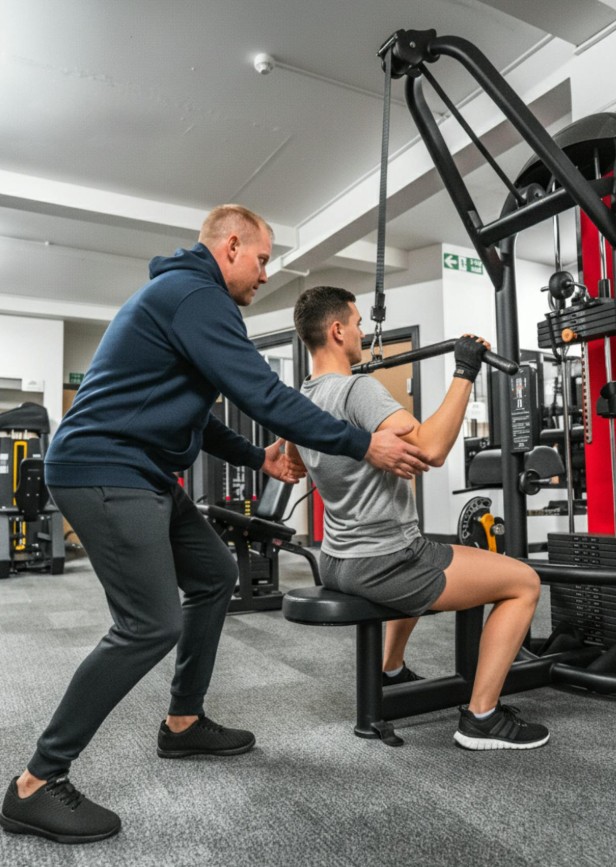
Poor technique reduces muscle engagement and increases injury risk. Rushing through exercises limits effectiveness. Proper form ensures targeted muscles are working. Time under tension matters for results. Sloppy execution wastes effort. Video feedback can help identify form issues. Slowing down improves control. Precision enhances activation. Technique supports safety. Quality matters.
Determine Whether You Are Overtraining or Undertraining
Training too much or too little can both prevent results. Overtraining leads to burnout and stalled progress. Undertraining fails to provide enough stimulus. Finding the right balance is essential. Listening to the body provides clues. Signs of overtraining include fatigue and soreness. Undertraining feels easy and unchallenging. Adjusting volume restores progress. Balance supports adaptation. Moderation matters.
Consider Tools That Support Training Efficiency
Training tools can enhance results when used intentionally. Resistance bands, timers, and tracking apps add structure. Tools should support goals rather than replace effort. Proper usage improves efficiency. Misuse reduces benefit.
Some individuals explore an EMS training suit to increase muscle activation during supervised sessions. This approach is meant to complement traditional training. Proper guidance is important for safety. Tools should align with goals. Strategy matters.
Reset Expectations and Track Progress Accurately
Progress is not always linear or visible immediately. Strength gains may occur before visual changes. Tracking performance provides objective feedback. Photos, measurements, and logs reveal trends. Relying solely on the mirror can be misleading. Short term fluctuations are normal. Long term patterns matter. Patience supports consistency. Tracking builds motivation. Perspective prevents frustration.
Stay Mentally Engaged and Motivated
Mental engagement affects workout quality. Distraction reduces effort and focus. Setting goals improves motivation. Changing routines periodically prevents boredom. Enjoyment supports consistency. Training mindset matters. Motivation fluctuates naturally. Discipline carries progress forward. Mental engagement improves performance. Focus drives results.
Conclusion
Not getting results after a workout is a signal to reassess, not quit. Structure, progression, nutrition, and recovery all influence progress. Technique and balance play critical roles in effectiveness. Tools can support training when used thoughtfully. Consistent evaluation restores momentum. Smart adjustments lead to results.
