


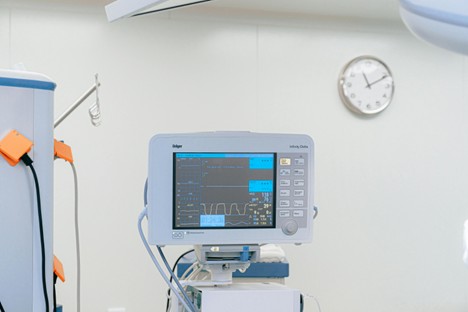
Step into a modern operating room, and you’ll find yourself in one of healthcare’s most fascinating environments, a place where cutting-edge technology meets human expertise in the most critical of circumstances. Every successful surgery you’ve ever heard about? There’s an entire symphony of coordinated efforts happening behind the scenes. It’s not just about the surgeon’s skill (though that’s obviously crucial). The truth is, dozens of factors need to click together perfectly to create an environment where surgical teams can work their magic.
Advanced Medical Technology and Equipment Integration
Here’s something that might surprise you: the technology in today’s operating rooms would seem like science fiction to surgeons from just a generation ago. High-resolution imaging systems now reveal anatomical details with stunning clarity, while monitoring devices track patient vitals with split-second precision. But having impressive equipment isn’t enough; it needs to work flawlessly when it matters most. Every piece of machinery requires regular calibration and meticulous maintenance schedules that ensure reliability during procedures.
Streamlined Workflow and Process Optimization
Think about the last time you saw a well-rehearsed performance; everyone knew their cue, movements flowed naturally, and the whole production seemed effortless. That’s what optimized operating room workflows look like, except the stakes are infinitely higher. Standardized protocols create a framework where teams can operate with remarkable efficiency because they’re not reinventing the wheel for each case. From how patients are prepped to how instruments are arranged; these established patterns build a rhythm that surgical teams can rely on.
Highly Trained and Coordinated Surgical Teams
: all the fancy equipment in the world means nothing without skilled people who know how to use it. The real heart of any operating room is the surgical team itself; surgeons, anesthesiologists, nurses, and surgical technologists working together with almost telepathic coordination. You’ll notice something special in high-performing teams: there’s an anticipatory quality to their interactions, where instruments appear at just the right moment, and concerns are addressed before they become problems. This kind of synchronization doesn’t happen by accident.
Rigorous Safety Protocols and Quality Control
If there’s one thing that keeps operating room leaders up at night, it’s safety, and rightfully so. The potential consequences of errors in surgical settings demand multiple layers of protection, with comprehensive protocols addressing every conceivable risk. You’ve probably heard about surgical checklists, and there’s good reason they’ve become nearly universal: they catch mistakes before they reach patients. These seemingly simple verification steps create structured moments where teams pause, confirm, and catch potential problems. Sterility protocols form another crucial layer, with strict hand hygiene requirements and environmental controls that keep surgical site infections at bay. Medication management deserves special attention too, given how many drugs flow through an operating room and how devastating mix-ups can be. For professionals who need to ensure comprehensive surgical safety across complex procedures, Baxter Advanced Surgery provides integrated solutions that support quality control initiatives. Regular audits and incident reviews help facilities learn from both actual problems and near-misses; those close calls that didn’t harm anyone but easily could have. Perhaps most importantly, establishing a “just culture” where staff can report concerns without fear creates the transparency that continuous improvement requires. These overlapping safety nets provide the redundancy that protects patients even when individual components occasionally stumble.
Effective Communication and Information Systems
Ever play that telephone game where a message gets whispered around a circle and comes out completely garbled? That’s exactly what you don’t want happening in an operating room, where communication breakdowns can have serious consequences. Modern electronic health records have revolutionized information access, putting comprehensive patient data at everyone’s fingertips instantly. Real-time communication tools, from basic intercom systems to sophisticated digital platforms, keep surgical teams connected with support services throughout the facility. Standardized communication frameworks like SBAR (that’s Situation-Background-Assessment-Recommendation for the uninitiated) ensure critical information gets conveyed clearly and completely during handoffs.
Supply Chain Management and Resource Availability
You know what would be terrible? Getting halfway through a procedure and realizing you’re missing a crucial supply. Fortunately, sophisticated logistics systems work tirelessly behind the scenes to prevent exactly that scenario. Modern inventory management tracks usage patterns, predicts future needs, and triggers automatic reordering before stockouts occur. Preference card systems document what each surgeon needs for specific procedures, enabling efficient preparation that shaves minutes off setup times.
Conclusion
Pull back and look at the big picture, and you’ll see that smooth operating room function really comes down to orchestration, getting dozens of moving parts to work together harmoniously toward excellent patient outcomes. No single component can compensate for weaknesses elsewhere, which is why the most effective surgical suites maintain comprehensive attention across all dimensions of operations. Technology continues advancing at a dizzying pace, bringing new techniques and capabilities while also introducing fresh challenges. The operating rooms that thrive in this evolving landscape? They’re the ones embracing continuous improvement while keeping their compass pointed firmly at safety, efficiency, and teamwork.
