


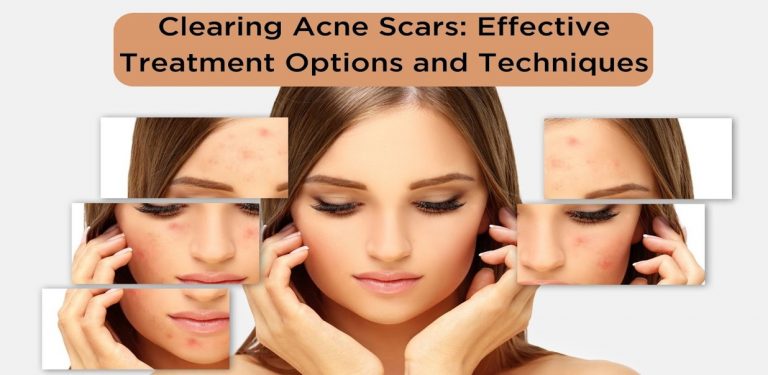
With a staggering prevalence of over 90% among adolescents, acne is not just a fleeting concern. For many, especially the 12%–14% whose acne persists into adulthood, the aftermath can be lasting and visible in the form of scars.
While the impact of acne scars is evident, understanding their types can offer a clearer picture of the challenges faced. In this article, we’ll go through the effective treatment options and techniques available for acne scars.
Understanding Acne Scars
The formation of acne scars is a complex process that depends on multiple factors. When a breakout damages the deeper layers of the skin, it can disrupt the normal production of collagen. This key structural protein helps maintain the skin’s strength and elasticity.
Without enough collagen, depressions or indents form in the skin as it heals, creating permanent scars. The depth and severity of the original breakout impact how noticeable the resulting scar will be.
Identifying the type of acne scar is crucial for finding the right treatment approach. Atrophic scars caused by collagen loss may require different therapies than hypertrophic scars resulting from too much collagen. Healthcare professionals can determine the scar type upon examination.
Those with darker skin tones need to take special care when treating acne scars. Aggressive procedures can potentially cause hyperpigmentation or a permanent darkening of the skin. Gentler treatment options may be recommended. If you are a Lawrenceville resident treating your acne scars, consulting a dermatologist Lawrenceville GA is ideal, as your proximity allows for frequent visits during the course of treatment.
Treatment and Techniques for Clearing Acne Scars
When it comes to lessening the appearance and depth of acne scars, there are a variety of treatment options available based on scar severity.
1. Over-the-Counter Topical Products
For milder scarring, daily at-home topical products can provide gradual improvement over time.
- Alpha hydroxy acids like glycolic acid promote exfoliation to smooth rough texture and discoloration. Start with lower concentrations and slowly increase frequency to avoid irritation.
- Retinoids like adapalene and tretinoin spur collagen production and cell turnover for improved texture. Use only at night as sunlight deactivates retinoids.
- Salicylic acid clears pores, reduces inflammation, and enhances cell shedding. Best for very minor scarring.
2. Professional In-Office Procedures
Moderate to severe scarring often requires professional treatments administered in a dermatologist’s office for significant improvement.
- Chemical peels use solutions like glycolic or salicylic acid to remove damaged top layers and stimulate collagen growth. Repeated treatments can greatly improve surface texture.
- Laser skin resurfacing uses focused light energy to eliminate scarred epidermal tissue. This promotes the regeneration of smoother, evenly pigmented new skin. When we look at patient satisfaction data for laser resurfacing procedures, it’s clear they provide significant improvements for many patients.

Data Source: National Library of Medicine
The high rates of satisfaction show the dramatic effects laser resurfacing can have on reducing acne scarring and improving skin texture when performed by an experienced dermatologist. While results vary, for many patients with severe scarring, laser resurfacing is a powerful treatment option on the path to clear skin.
- Dermabrasion utilizes a rapidly rotating instrument to abrade the skin’s surface layers. As the skin heals, new scar-free skin forms to take its place.
- Microneedling creates tiny punctures in the skin prompting collagen production. Repeated treatments can substantially reduce scar depression.
- Fillers like hyaluronic acid are injected below scars to plump up and elevate depressed areas. This smoothes and levels the skin’s contour.
3. Surgical Scar Revision Techniques
For more pronounced scars unresponsive to other treatments, surgical methods may be required.
- Subcision involves surgically undermining acne scars so they can be replaced by smaller, less noticeable scars as the area heals. This technique minimizes visibility.
- Excision removes severely scarred skin which is then closed with sutures. While effective at eliminating scars, excision can leave new, smaller scars.
- Grafting takes adjacent healthy skin which retains dermal collagen and uses it to cover scarred areas. This replaces scar tissue with smoother, unblemished skin texture.
- Subdermal fillers like bellafill are longer-lasting fillers injected under scars to stimulate collagen growth and plump depressed areas over time. Provides longer-term improvement than hyaluronic acid.
4. At-Home Devices
Technology now allows for certain treatments to be performed in the comfort of the home with physician guidance.
- Handheld fractional laser devices deliver targeted laser energy to resurface the skin and promote collagen production. More convenient but slower results than in-office lasers.
5. Lifestyle and Supplements
While less direct, certain lifestyle measures can also aid in skin regeneration and acne scar reduction over time.
- Quitting smoking improves blood flow and oxygen to promote healing. Smoking impairs collagen synthesis.
- A healthy, balanced diet provides nutrients for skin cell turnover and collagen production. Vitamins C, A, and zinc are especially beneficial.
- Daily SPF protection prevents further sun damage that can worsen scarring and hyperpigmentation.
- Supplements like vitamin C, rosehip oil, and fish collagen provide concentrated nutrients to support skin healing.
A multifaceted approach including proven treatments, healthy lifestyle habits, and patience often yields the best acne scar improvement results. Consulting a dermatologist helps create an optimal regimen tailored to each patient.
When to See a Professional
Consulting a dermatologist or healthcare provider is recommended when dealing with acne scars. They can:
- Accurately diagnose scar type and severity through examination
- Create a customized treatment plan based on scar characteristics and medical history
- Perform professional scar modification procedures for optimal results
- Provide guidance on properly using over-the-counter products
- Monitor progress throughout the treatment process
Attempting aggressive at-home treatments without input from professionals risks further damage to the skin. Patience is also needed, as minimizing acne scars takes time for both natural healing and treatments.
Prevention of Acne Scarring
While techniques exist to treat acne scars, prevention is always preferable. Suggested tips include:
- Avoid picking, popping, or squeezing acne to limit skin damage
- Use oil-free cosmetics labeled non-comedogenic
- Follow a regular skincare routine with products containing benzoyl peroxide
- Shampoo regularly to keep hair oils from worsening acne
- Adopt healthy lifestyle habits like a balanced diet and exercise
- Manage stress levels which can worsen breakouts
- See a dermatologist at the first signs of cystic acne or scarring
Prompt treatment of severe acne with oral medications or isotretinoin can also reduce the likelihood of permanent scarring.
Conclusion
Living with acne scarring can be challenging, but a variety of treatment options exist based on the scar characteristics. Consulting a dermatologist helps create an effective plan to minimize and smooth the skin’s appearance. While acne scars may not disappear completely, following professional advice provides the best chance at significant improvement over time.
Frequently Asked Questions
- Are all acne scars permanent?
No, some mild scarring may fade over time as collagen production normalizes. However, indentations from more severe acne are likely to be permanent without treatment.
- How can I determine my acne scar type?
Making an appointment with a dermatologist is the best way to get an expert assessment. They can examine the scars and classify them into categories like ice pick or boxcar scars.
- What risks are associated with acne scar treatments?
Potential side effects depend on the treatment type. Aggressive resurfacing procedures carry risks like infection, scarring, discoloration, and extended healing times. Always discuss risks with a healthcare professional beforehand.
