


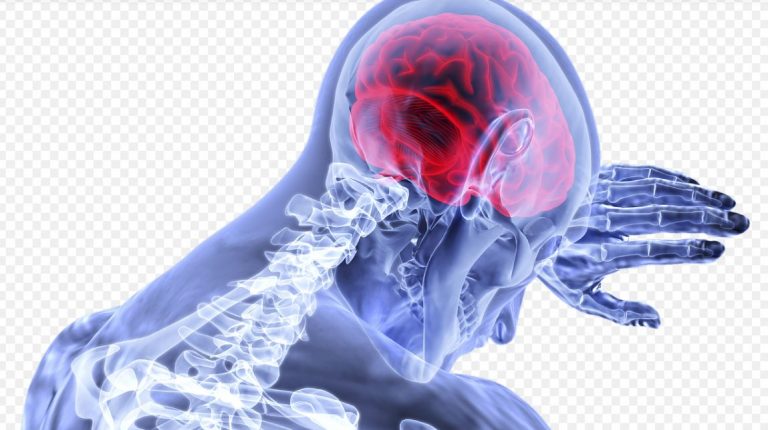
Brain injuries are incredibly serious events, which can have life-long consequences for those that suffer them. According to recent statistics from the brain injury association Headway, there is a hospital admission for a brain injury every 90 seconds in the UK.
If you are unfortunate enough to suffer one, though, there are robust methods of rehabilitation for brain injury available to patients. These forms of rehabilitation run the gamut of symptoms and aftereffects of brain injury, and can, in certain scenarios, reverse the impact of the injury altogether. While the experience of the accident or injury will undoubtedly remain, these three forms of therapy are indispensable for returning quality of life to those whose lives have been turned upside-down.
Physical Therapy
Some of the most common complications to occur as a result of a brain injury are related to physical ability. Muscle weakness can occur, as can a loss of control over muscles and muscle groups. This can have the knock-on effect of causing difficulty with breathing as well as movement.
Physical therapy solutions are extremely effective at not only rehabilitating atrophied muscle groups but also helping the brain to re-map important neuron connections and regain control. This can be a naturally time-consuming process, but guided therapies can nonetheless target specific groups and help bring the patient back under control and in balance.
Speech Therapy
Depending on the nature of the brain injury, speech patterns and recall can also be drastically affected. There are a number of symptoms and conditions through which difficulty speaking or communicating – otherwise known as aphasia – can present, such as dyspraxia (difficulty co-ordinating pre-planned speech) and disarthryia (physical damage and disconnection of nerves).
The exact ways in which aphasia can present can differ. In some cases, the ability to speak may be lost completely; in others, words may substitute themselves in the brain, resulting in nonsensical sentences that make sense to the speaker. Speech therapy can work to re-connect speakers with their language, either by remapping neurons or positively reinforcing language psychologically.
Cognitive Therapy
Speech therapy is a small subset of a much wider form of therapy designed at rehabilitating the brain’s many processes. It works hand-in-hand with other approaches, to form a holistic method of coaching the brain to rewire its connections and regain certain faculties – relating in particular to memory and problem-solving. The overarching name for this discipline is cognitive therapy. Brain injuries can affect more aspects than speech alone; traumatic brain injuries can cause memory issues, regression in non-verbal reasoning, and even personality shifts entirely.
Cognitive therapies seek to restore the brain’s cognition, by testing and developing memory recall and attentiveness. Meanwhile, behavioral therapists can track an injured patient’s progress mentally, ensuring that they remain comfortable with their progress and in touch with themselves following their accident.
