


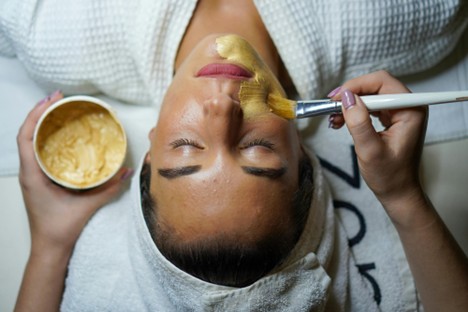
Aging is a natural part of life, and one of the first places people notice these changes is their skin. Over time, the skin begins to lose firmness, moisture, and elasticity, making fine lines, uneven texture, and discoloration more visible. While these changes are completely normal, they can feel unfamiliar or concerning when they first appear. The good news is that there are many healthy ways to support skin as it ages, helping it remain vibrant, strong, and comfortable. Understanding what happens during the aging process makes it easier to choose routines and care habits that keep skin feeling and looking its best.
Understanding What Causes Skin to Age
Several factors contribute to visible aging. Collagen production slows down with time, reducing the skin’s firmness and leading to fine lines. Elastin, the protein responsible for keeping skin flexible, also decreases gradually. Lifestyle influences such as sun exposure, stress, diet, and sleep patterns can accelerate these changes. Environmental elements like dry air and pollution affect the skin’s barrier, causing dryness or dullness. Recognizing these contributing factors helps individuals make informed choices about their skincare routines and adjust habits that may be affecting their complexion.
Building a Consistent Skincare Routine
When skin begins to age, consistency becomes more important than anything else. Gentle cleansing helps remove debris without stripping natural oils. Hydration supports elasticity and comfort, especially when using moisturizers that contain nourishing ingredients. Antioxidants help protect the skin from environmental stressors, while soothing treatments reduce dryness and discomfort. Exfoliation can help improve texture when used thoughtfully, but the focus should always be on supporting the skin rather than overwhelming it. A routine that emphasizes calmness, nourishment, and balance becomes a strong foundation for long term skin health.
Making Sun Protection a Daily Habit
One of the most effective ways to protect aging skin is daily sun protection. Sun exposure is one of the leading contributors to wrinkles, texture changes, and dark spots. Even on cloudy days, UV rays reach the skin and influence its long term appearance. Using sunscreen helps prevent additional damage and slows the progression of visible aging. Hats, shade, and protective clothing offer extra support. When sun protection becomes part of everyday life, the skin stays healthier, smoother, and more resilient over time.
Supporting Skin With Hydration and Nutrition
Hydration plays a major role in how skin feels and functions. Drinking enough water and choosing foods that support healthy skin can make noticeable differences. Fruits, vegetables, and nutrient rich ingredients help the body maintain moisture balance and repair cells effectively. Healthy fats support the skin’s protective barrier, while vitamins play a role in maintaining brightness and elasticity. A balanced diet helps the skin stay strong and flexible, especially as natural moisture decreases with age.
Paying Attention to Circulation and Skin Health
Good circulation supports healthy skin by delivering oxygen and nutrients to the surface. When blood flow slows, the skin may appear dull or uneven. Simple habits like regular movement, stretching, and gentle facial massage can help stimulate circulation. Some individuals experience concerns such as visible veins or discomfort that may become more noticeable with age. In those cases, exploring specialized care becomes helpful. Many people seek guidance from professionals who offer services such as varicose vein treatment in Bronx, especially when circulation affects both comfort and appearance. Addressing circulation supports overall skin quality and daily wellbeing.
Being Gentle With Your Skin as It Changes
Aging skin becomes more delicate, which makes gentle care essential. Harsh scrubs, aggressive washing, or overly strong products may cause irritation or dryness. Choosing softer textures and formulas helps the skin remain balanced. Using lukewarm water instead of hot water prevents unnecessary dryness. Patting the skin dry rather than rubbing it reduces friction. This gentle approach helps maintain the skin’s natural structure and supports long term comfort. When skin is treated carefully, it stays healthier and more resilient.
Supporting Emotional Confidence as Skin Ages
Visible changes in the skin can influence self perception, especially when aging feels new or unexpected. It is important to remember that aging is natural and happens to everyone. Approaching the process with kindness and understanding helps build confidence and acceptance. Choosing supportive routines, celebrating small improvements, and focusing on overall health all contribute to a positive relationship with aging skin. Confidence grows when people recognize that caring for their skin is not about reversing time but supporting the body through its natural transitions.
Conclusion
When the skin begins to show signs of aging, it is an opportunity to establish routines and habits that support long term wellness. Gentle care, sun protection, consistent hydration, balanced nutrition, and attention to circulation all play meaningful roles in maintaining healthy skin. Professional insight is available for individuals who want personalized guidance or who experience concerns related to aging. With understanding and thoughtful care, aging skin can remain comfortable, vibrant, and expressive of a life well lived.
