


Most people don’t think about their skin and eye care as connected. But they are, in more ways than one.
Both reflect what’s going on inside your body. Both respond to stress, sleep, and diet. And both are far easier to maintain than most people realise, once you stop overthinking it.
This guide cuts through the noise and covers what genuinely works, from achieving a healthy, even glow on your skin to keeping your eyes comfortable and your vision sharp every day.
Your Skin Routine Doesn’t Need to Be Complicated
Here’s what most skincare advice gets wrong: it overcomplicates things.
You don’t need a ten-step routine. You don’t need to spend a fortune. What you do need is consistency with a few basics that actually suit your skin type.
Start with a gentle cleanser, a decent moisturiser, and SPF every morning. That’s the foundation. Everything else, serums, treatments, masks, is optional and works best once that foundation is solid.
One thing that often gets overlooked is body skin. We spend so much time focused on our faces that everything from the neck down gets ignored.
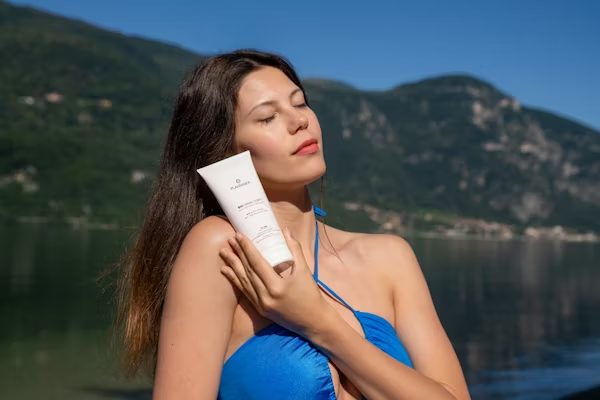
If you want your skin to look healthy and even all over, a well-formulated tanning lotion can genuinely help. Not the old-school, streaky kind. Modern formulas are hydrating, blend naturally with your skin tone, and leave you looking warm and healthy rather than orange and patchy.
The application matters as much as the product itself. Exfoliate beforehand, especially on rough areas like elbows and knees. Apply in slow, circular motions. Wash your hands after. Then moisturise regularly to keep the result looking even and fresh.
It’s a small step that makes a noticeable difference, especially heading into warmer months.
What You Eat Really Does Show Up on Your Skin
This isn’t a lecture about diet. But it’s worth saying plainly: no skincare product can fix what’s missing on the inside.
If you’re not sleeping well, your skin shows it. If you’re dehydrated, it shows. If your diet is mostly processed food, it shows.
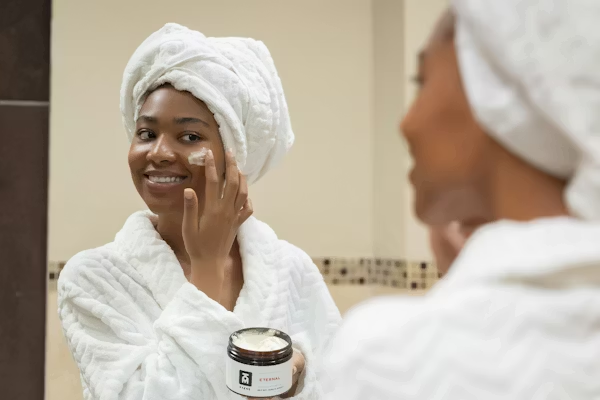
Collagen breaks down faster without enough vitamin C. Skin gets inflamed more easily without zinc. And without proper hydration, even the most expensive moisturiser in the world can only do so much.
The good news is that small changes add up quickly. More water, more sleep, more whole foods. Your skin tends to respond within weeks, not months.
If you want to dig deeper into how everyday lifestyle choices affect your overall health and appearance, there’s genuinely useful, no-nonsense guidance out there that goes way beyond topical skincare advice.
Sleep also deserves a special mention here. Your body does most of its repair work overnight. Consistently cutting sleep short is one of the quickest ways to undo a good routine, no matter how many products you’re using.
Think of diet, hydration, and sleep as the infrastructure. Your skincare products work on top of that, not instead of it.

Why Eye Care Gets Ignored (And Why That’s a Problem)
Skincare gets all the attention. Eye care gets almost none.
Most people don’t think about their eyes until something feels wrong. Dryness, headaches after long screen sessions, blurry vision toward the end of the day. These are signals worth paying attention to, not pushing through.
Booking a regular eye check-up is one of the simplest things you can do for long-term eye health. It takes an hour, and it tells you a lot.
For those who need vision correction, contact lenses have come a long way. They’re more comfortable, more breathable, and more accessible than most people expect. And for a well-stocked range of options from trusted brands, contact lenses Australia is worth browsing whether you’re a first-time wearer or someone looking to switch things up.
Daily disposable lenses have become the go-to for good reason. Fresh pair every morning, nothing to clean or store at night, and a much lower chance of irritation from buildup. If you’ve tried contacts before and found them uncomfortable, dailies are often worth trying again.
They’ve genuinely changed the experience for a lot of people.

Finding the Right Lens for How You Actually Live
There’s no single best contact lens. It depends entirely on your eyes and your lifestyle.
If you’re in front of screens most of the day, look for lenses designed to reduce digital eye strain. They exist, and they work. If dry eyes are your main issue, moisture-lock technology in certain lenses makes a real difference by the end of the day.
Toric lenses are made for people with astigmatism, which is more common than most people realise. Multifocal lenses handle both near and far vision, which comes in handy as eyesight changes over time.
The main thing is to get properly fitted by an optometrist rather than guessing. Lens fit isn’t one-size-fits-all. Getting the right base curve and diameter for your eye shape is what makes the difference between lenses that feel invisible and ones that bother you all day.
Treat them as the medical device they are. Follow the wear schedule. Replace them on time. It’s not complicated, it just needs to be taken seriously.
Stress Is a Skin and Eye Problem Too
This one doesn’t get talked about enough.
When you’re stressed for extended periods, your cortisol levels stay elevated. That leads to more oil production, a weakened skin barrier, and faster collagen breakdown. You’ll often notice it before you consciously register that you’ve been stressed.
Eyes feel it too. Stress headaches, twitching, worsened dryness, difficulty focusing. They’re all common side effects of running on empty for too long.
The fix isn’t complicated, but it does require actually doing it: more rest, more movement, better breathing, and more time doing things that don’t work. These aren’t luxuries. They’re maintenance.
No serum fixes chronic stress. No eye drops fix burnout. The body needs what it needs.
Keeping It Simple for the Long Haul
The people who consistently look and feel good aren’t doing anything extreme. They’ve just built small, sensible habits and stuck with them.
A cleanser and SPF every day. A body product that keeps skin looking healthy and even. Real food, real sleep, real water. An eye check once a year. Contacts that actually fit and feel comfortable.
That’s genuinely it. Not glamorous, but it works.
The difference between good skin at forty and struggling skin at forty isn’t usually genetics. It’s the small decisions made repeatedly over time. Start where you are, keep it realistic, and let consistency do the heavy lifting.
Your skin and eyes will thank you for it.
