


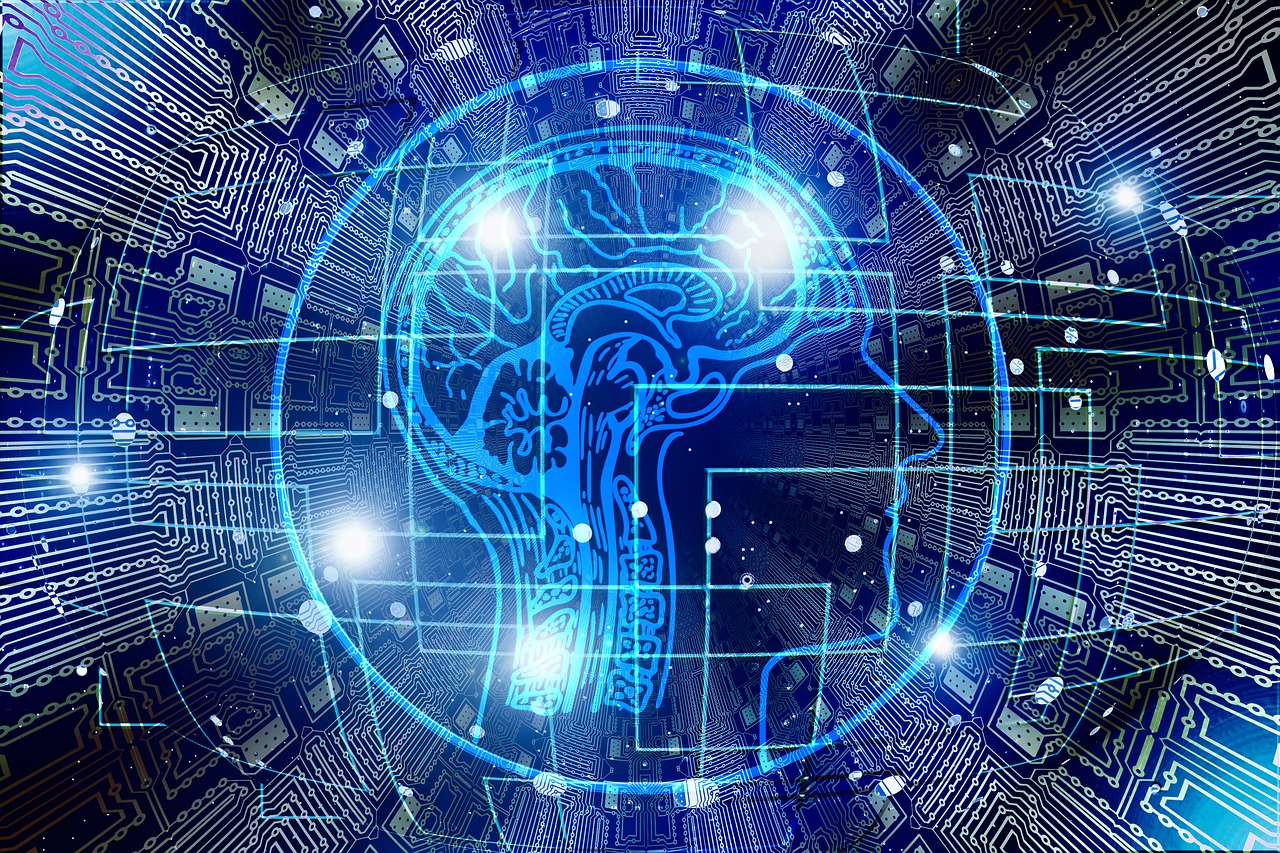
As we navigate the mid-point of 2026, the landscape of global healthcare is undergoing a transformation so profound that it rivals the introduction of antibiotics or the discovery of the double helix. Yet, unlike the loud, singular breakthroughs of the past, this revolution is quiet, digital, and increasingly autonomous. Artificial Intelligence (AI), once a speculative tool confined to the peripheries of medical research, has matured into an “invisible partner” that is fundamentally reshaping how patients are treated, how drugs are discovered, and how healthcare systems operate.
“The shift from simple generative AI to what experts call ‘Agentic AI’ marks the defining trend of this era. In 2024 and 2025, we marveled at AI’s ability to summarize clinical notes or suggest treatment plans based on existing data. Today, however, we are witnessing the rise of autonomous agents capable of observing, planning, and acting with minimal human intervention. These systems do not merely provide information; they execute complex workflows, from coordinating multi-specialty care for chronic patients to managing the intricate logistics of a hospital’s supply chain,” says John Maczysnki, CEO of PITON-Global, a leading healthcare outsourcing advisory firm.
For the clinician, the most immediate impact of this technology is the liberation from “administrative burnout.” The introduction of ambient AI scribes has effectively ended the era of the physician-as-data-entry-clerk. These sophisticated co-pilots record patient conversations in real-time, instantaneously synthesizing symptoms, genetic history, and the latest peer-reviewed research into a coherent clinical summary. By stripping away the hours previously spent on documentation, AI has returned the focus of the medical encounter to where it belongs: the human relationship between doctor and patient. The result is not just a more efficient system, but a more empathetic one.
“The power of AI is perhaps most visible in the realm of precision medicine. We have moved beyond the “one-size-fits-all” approach to a model where treatment is tailored to the individual’s unique biological blueprint. In 2026, health systems are routinely deploying AI to predict and prevent illnesses years before symptoms manifest,” explains Maczynski. For instance, advanced neural networks can now identify the earliest markers of neurodegenerative diseases like Alzheimer’s or chronic conditions like kidney failure by analyzing a combination of genomic data, lifestyle metrics from wearable devices, and longitudinal medical records. This shift from “sick care” to “predictive health” is not only saving lives but is also dramatically reducing the long-term economic burden on global healthcare systems.
In the laboratories of biopharmaceutical giants, the pace of innovation has reached a fever pitch. Traditionally, bringing a new drug to market was a decade-long gamble costing billions of dollars. Agentic AI has compressed this timeline from years to months. By simulating how new molecules interact with human biology in high-fidelity digital environments, AI agents can identify viable drug candidates with unprecedented speed. This capability was instrumental in the recent rapid development of targeted therapies for rare genetic disorders, providing hope to patient populations that were previously considered “untreatable.”
However, the integration of AI is not merely a technological challenge; it is a human one. Leading healthcare organizations are now following the “10-20-70 rule”—allocating 10% of their effort to algorithms, 20% to technology, and a staggering 70% to people and processes. This reflects a growing recognition that for AI to be truly effective, the human workforce must be upskilled and empowered. Medical schools have overhauled their curricula to include AI literacy, ensuring that the next generation of healers views these tools not as replacements, but as powerful extensions of their own clinical judgment.
According to Maczynski, “Patients, too, have been elevated from passive recipients of care to active participants in their own health journeys. Armed with sophisticated health apps and wearables that track everything from blood glucose to cognitive performance, individuals now possess a level of health data previously reserved for intensive care units. AI tools act as personal health coaches, translating this raw data into actionable insights that guide nutrition, sleep, and exercise. This democratization of medical knowledge is fostering a more proactive and health-conscious society.”
As we look toward the remainder of 2026 and into 2027, the trajectory is clear. The synergy between human expertise and machine intelligence is creating a healthcare ecosystem that is more precise, more efficient, and more accessible. While challenges in data privacy and algorithmic transparency remain, the overwhelming narrative is one of progress. We are no longer just imagining the future of medicine; we are living it. In this new era, the ultimate goal of technology is to make healthcare more human, ensuring that every patient receives the right care, at the right time, every single time.
