


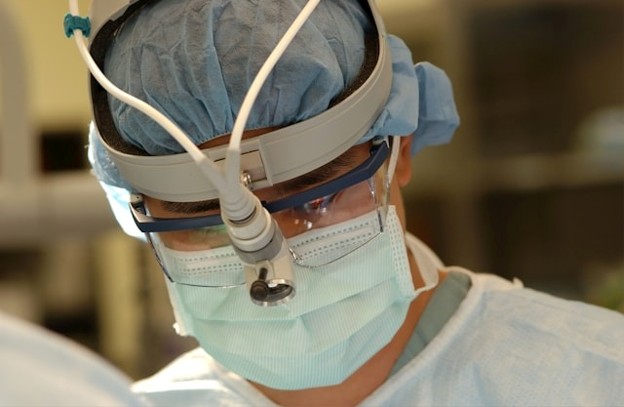
The hair transplant industry has undergone a remarkable transformation over the past decade, with technological advancements challenging traditional surgical approaches. At the center of this evolution is a fundamental question that patients grapple with when considering hair restoration: should they opt for a manual procedure performed entirely by a skilled surgeon, or trust a robotic system to assist with the process?
As we navigate through 2026, this debate has become more nuanced than ever. Robotic systems like ARTAS promise consistency and precision, while manual techniques continue to be championed by experienced surgeons who emphasize the irreplaceable value of human judgment and adaptability.
For patients researching their options, understanding the real differences between these approaches—including critical metrics like graft transection rates and overall success—is essential to making an informed decision.
Understanding FUE Hair Transplants
Follicular Unit Extraction (FUE) has become the gold standard in modern hair restoration, largely replacing the older strip harvesting method. The procedure involves extracting individual hair follicles from a donor area (typically the back of the head) and transplanting them to areas experiencing hair loss. Unlike strip harvesting, FUE leaves no linear scar and offers a faster recovery time, making it the preferred choice for most patients today.
The FUE process consists of two critical phases: extraction and implantation. During extraction, follicular units are carefully removed from the donor area one by one. These grafts must then be meticulously implanted into recipient sites at the correct angle, depth, and direction to ensure natural-looking results. Success depends not only on harvesting healthy follicles but also on minimizing damage during extraction and achieving proper placement during implantation.
Whether you choose manual or robotic FUE, understanding what to expect before, during, and after the procedure is crucial. Patients should thoroughly research how to prepare for a hair transplant to optimize their results and recovery experience.
Manual FUE Overview
Manual FUE relies entirely on the surgeon’s skill, experience, and hand-eye coordination. Using specialized micro-punches (typically 0.6-1.0mm in diameter), the surgeon extracts follicular units one at a time, adjusting the angle, depth, and rotation of each extraction based on the unique characteristics of each follicle. This hands-on approach allows for real-time decision-making and adaptation throughout the procedure.
The primary advantage of manual FUE is the surgeon’s ability to feel and respond to subtle variations in hair angle, depth, and density. Experienced surgeons develop an intuitive sense for following the natural direction of each follicle, which can vary significantly even within the same donor area. This tactile feedback enables them to minimize damage to the follicles during extraction, particularly in patients with curly or irregular hair patterns that can be challenging to harvest.
In the hands of a highly skilled surgeon, manual FUE typically achieves transection rates (the percentage of damaged follicles during extraction) between 3-5%. Elite practitioners can even achieve rates below 3%, though this level of precision requires years of specialized training and experience. The manual approach also allows surgeons to be selective about which follicles to harvest, choosing the healthiest grafts and preserving the aesthetic appearance of the donor area.
However, manual FUE does have considerations. The technique is physically demanding, and surgeon fatigue during lengthy procedures can potentially impact consistency. Additionally, the quality of results can vary significantly based on the individual surgeon’s skill level and experience, making provider selection absolutely critical.
Precision of Robotic Hair Transplants
Robotic hair transplant systems represent a significant technological leap in hair restoration. These computer-assisted platforms use advanced imaging, artificial intelligence, and robotic arms to identify and extract follicular units with mechanical precision. The ARTAS system, the most widely recognized robotic hair restoration technology, employs algorithms to map the donor area, select optimal grafts, and execute extractions with consistent parameters.
The appeal of robotic systems lies in their consistency and stamina. Unlike human surgeons, robots don’t experience fatigue, potentially maintaining the same level of precision throughout procedures that may last several hours. The AI-powered follicle selection algorithms can analyze thousands of grafts to identify the best candidates for extraction, theoretically optimizing donor area utilization. For clinics performing high volumes of procedures, robotic systems also offer the potential for increased efficiency and standardization.
Robotic systems work by creating a three-dimensional map of the scalp, identifying individual follicular units, and calculating optimal extraction angles. Once programmed, the robotic arm executes the extractions according to these parameters. Proponents argue that this technology-driven approach removes human error and variability from the equation.
However, robotic FUE has limitations that patients should understand. The systems are less adaptable to unusual hair characteristics, such as very curly hair or irregular follicle patterns. They also represent a significant capital investment for clinics, which can translate to higher procedure costs for patients. Most importantly, current robotic systems are primarily designed to assist with extraction only—the implantation phase still requires human involvement, a distinction that has important implications for overall outcomes.
Transection Rates and Success Metrics
When evaluating manual versus robotic approaches, transection rates serve as a critical metric. The transection rate refers to the percentage of follicles damaged during extraction, rendering them non-viable for transplantation. Lower transection rates directly correlate with better graft survival and, ultimately, superior aesthetic outcomes.
Studies comparing manual and robotic extraction have produced mixed results, with much depending on the skill level of the manual surgeon and the specific robotic system used. Experienced manual surgeons consistently achieve transection rates in the 3-5% range, while some robotic systems claim similar or slightly better rates under optimal conditions. However, these statistics often fail to capture the complete picture.
A 2025 study titled “Development and evaluation of an integrated image-guided robotic system” tested a new all-in-one robotic prototype on simulated scalps and revealed important insights about the current state of robotic hair transplant technology. The robot demonstrated a harvesting success rate of 83.3% and extremely high precision in detecting follicles, with accuracy reaching up to 97.4%. These figures initially appear impressive and suggest that robotic systems can reliably identify and target follicular units.
However, the study also exposed a critical limitation: implantation success was limited to only 53.3% due to prototype technical constraints. While the research noted that robotic systems offer comparatively shorter procedure times than manual methods, it concluded that human oversight or hybrid approaches may still be critical for the implantation phase.
This finding highlights an important reality—successful hair transplantation requires more than just efficient extraction. The implantation phase, where follicles are placed into recipient sites at precise angles and depths, remains a significant challenge for fully automated systems.
The Best of Both Worlds with a Hybrid Approach
Given the limitations revealed by recent research, many leading hair transplant clinics have adopted a hybrid approach that combines robotic extraction with manual implantation. This methodology attempts to leverage the consistency and speed of robotic harvesting while preserving the adaptability and precision of human surgeons for the critical implantation phase.
The 2025 research underscores why this hybrid model has gained traction. While robots excel at the repetitive task of extraction and can maintain consistent parameters throughout lengthy procedures, the nuanced work of creating recipient sites and implanting grafts at natural angles still benefits significantly from human judgment and tactile feedback. Surgeons can assess the recipient area in real-time, adjust for scalp characteristics, and ensure that each graft is placed to achieve the most natural-looking hairline and density.
This hybrid approach also addresses one of the key concerns about fully robotic procedures: the artistic element of hair transplantation. Creating a natural-looking hairline requires an understanding of facial aesthetics, hair growth patterns, and individual patient characteristics that current AI systems cannot fully replicate. Experienced surgeons make countless micro-decisions during implantation about angle, direction, and density that contribute to results that look genuinely natural rather than obviously transplanted.
The evolution of technology in hair transplants suggests that we’re moving toward more sophisticated systems that may eventually overcome current limitations. Future iterations of robotic technology may incorporate advanced AI capable of replicating the artistic decision-making that human surgeons currently provide. However, as of 2026, the hybrid approach represents a pragmatic solution that balances efficiency with the irreplaceable value of surgical expertise.
Which Method is Right for You?
Choosing between manual, robotic, or hybrid hair transplant approaches depends on several personal factors. Your hair type plays a significant role—patients with straight or mildly wavy hair may be excellent candidates for robotic extraction, while those with very curly or coarse hair often achieve better results with experienced manual surgeons who can adapt to complex follicle angles.
The extent of your hair loss also matters. Smaller procedures requiring 1,000-2,000 grafts can often be completed efficiently with either method, while mega-sessions requiring 3,000+ grafts may benefit from the stamina advantages of robotic extraction combined with skilled manual implantation. Your budget is another consideration, as robotic procedures often carry premium pricing due to the technology investment required by clinics.
However, the most critical factor in achieving excellent results isn’t the technology itself—it’s the expertise of your provider. A highly skilled surgeon using manual techniques will consistently outperform an inexperienced practitioner using robotic systems. When researching options, focus on the surgeon’s track record, before-and-after photos, patient reviews, and their specific experience with your hair type and degree of hair loss.
For many patients, seeking treatment at established centers has become an attractive option due to the combination of experienced surgeons, competitive pricing, and access to both manual and robotic technologies. Countries like Turkey have become global leaders in hair restoration, with many clinics offering world-class facilities and thousands of successful procedures under their belt.

Turkey: the world’s most popular destination for both robotic and manual hair transplants
Researching options for a hair transplant in Turkey can provide access to surgeons who perform high volumes of both manual and robotic procedures, offering patients the benefit of extensive experience with all available techniques.
What’s Next for You?
The question of whether manual or robotic hair transplants are “better” in 2026 doesn’t have a simple answer. Current evidence suggests that both approaches can deliver excellent results when performed by skilled practitioners, but each has distinct advantages and limitations. Manual FUE offers unparalleled adaptability and has decades of proven success, while robotic systems provide consistency and are continuously improving with technological advances.
The 2025 research on integrated robotic systems reminds us that while technology has made impressive strides in the extraction phase, the complexity of achieving natural-looking results still benefits significantly from human expertise, particularly during implantation. For most patients, the hybrid approach currently represents the optimal balance of efficiency and artistry.
Ultimately, your choice should be guided not by the technology itself, but by the skill and experience of your surgeon, the specific characteristics of your hair loss, and your personal circumstances. Consult with multiple qualified providers, ask detailed questions about their approach and outcomes, and choose a practitioner who demonstrates both technical proficiency and a genuine understanding of your aesthetic goals.
Whether your procedure involves a robot, manual techniques, or a combination of both, the expertise behind the tools will determine your success.
