


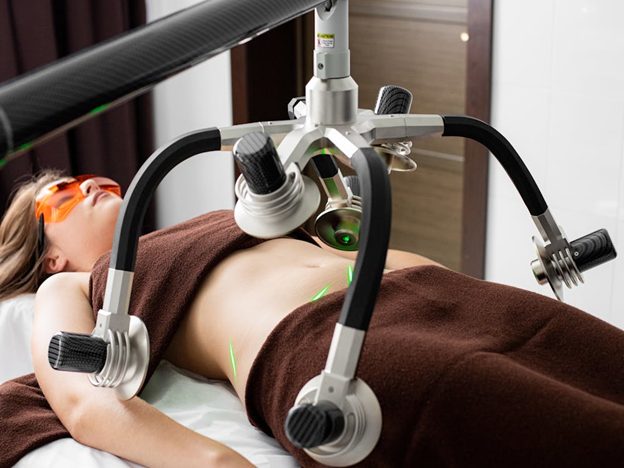
Have you ever looked in the mirror and wondered if there’s a way to refresh your face without needles or downtime? If so, you’re not alone. Across the country, especially in North Carolina, more people are skipping traditional treatments in favor of non-invasive personal care options. From facials that tighten skin to lasers that fade sun spots, these gentler approaches are changing how we think about beauty—and wellness as a whole.
Why Less is Suddenly More
There was a time when “getting work done” meant disappearing for two weeks and coming back with a suspiciously smoother forehead. Now, the trend leans toward subtle, gradual results. It’s not just about vanity; people want treatments that fit into their daily lives. Thanks to tech advances and social media, consumers are more informed—and more selective.
Non-invasive treatments offer just enough of a refresh to look rested, not reworked. In today’s culture, where authenticity and “low-key effort” reign, a 15-minute fix that doesn’t require anesthesia fits right in. It’s self-care that doesn’t scream self-consciousness.
From Specialty Clinics to Mainstream Popularity
A few years ago, non-invasive treatments were mostly found in niche wellness centers or upscale dermatology offices. Now, they’re becoming as common as your neighborhood coffee shop. With rising demand, medical spas are popping up in cities and suburbs alike, offering everything from laser skin resurfacing to body sculpting.
Metro Medspa, for example, is part of this shift toward accessible, results-driven care. Located in Raleigh, North Carolina, the clinic combines medical expertise with a calming atmosphere, offering advanced aesthetic services without the pressure of a hospital-like environment. Their approach caters to people looking for real results without drastic intervention, and that’s become the gold standard in personal care—treatments that make you feel like yourself, only better.
Zoom Face and the Pandemic Push
Blame it on Zoom. During the pandemic, we spent endless hours staring at ourselves in badly lit video calls. Double chins, forehead lines, tired eyes—everything looked more obvious when we were forced to make eye contact with our own pixels. The spike in demand for non-invasive facial treatments post-2020 wasn’t just a coincidence. It was a direct response to the strange intimacy of the digital age.
Surgeons reported increased interest in procedures, but even more notable was the rise in people choosing subtle alternatives. Instead of a full facelift, clients opted for collagen-stimulating treatments or skin-tightening devices. They didn’t want dramatic change—they wanted to look a little fresher for Monday’s meeting.
The TikTok Influence and Ingredient Curiosity
Today’s consumer is curious—and digitally educated. On TikTok and Instagram, dermatologists and estheticians break down ingredients and treatments in bite-sized videos. Once-mysterious procedures are now demystified. You no longer need a chemistry degree to understand what hyaluronic acid does, or why retinol is everyone’s favorite overachiever.
This new awareness has made people more intentional. They’re not chasing trends blindly. Instead, they’re seeking safe, research-backed options that won’t leave them red, swollen, or sidelined for a week. If a procedure doesn’t come with a side of science, it’s not making it into their regimen.
Money, Access, and the Democratization of Beauty
It’s worth noting that non-invasive treatments, while still a luxury, are far more affordable than their surgical counterparts. A Botox session costs a fraction of a brow lift. Laser hair removal, once considered out of reach, now competes with years of razor refills. With financing options and packages, more people can budget for these services.
This doesn’t mean personal care has become truly equal—there are still barriers—but it does mean more people have some access to tools that used to be reserved for celebrities. In some ways, that’s empowering. In others, it raises questions about how much we’re encouraged to “improve” ourselves in the first place.
Looking Forward, Not Frozen in Time
The future of personal care seems to be moving away from the idea of “anti-aging” and toward aging well. That doesn’t mean wrinkles are welcome with open arms, but it does mean people are less obsessed with erasing every line. Today’s clients want to look refreshed, not frozen.
More importantly, they want choices. Some will still opt for plastic surgery, and that’s fine. But many will continue seeking out options that allow them to look like the best version of themselves without turning their bodies into projects. It’s a quieter, more personal approach to self-improvement.
In the end, the rise of non-invasive care is about balance. It offers people a way to feel in control of their appearance, without going to extremes. It reflects a culture that values efficiency, subtlety, and yes—comfort. We want to feel good in our skin, and if that means a 30-minute skin-tightening session instead of a six-week recovery from surgery, then the choice seems clear.
And maybe, just maybe, we’re all learning to take care of ourselves in a way that feels a little less punishing and a lot more kind.
