


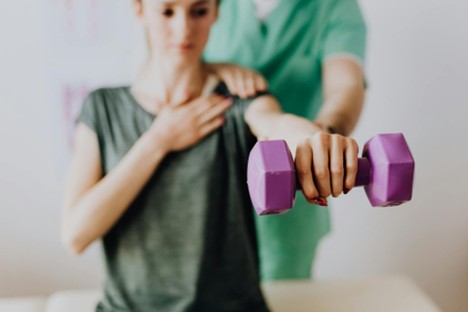
Patient recovery depends on more than prescriptions and follow-up visits. Fitness plays a vital role in helping the body heal, rebuild, and return to daily life with confidence. In places like Maplewood, NJ, where busy routines are the norm, many people rush to the nearest hospital, receive treatment for an injury or illness, and jump back into work or errands without giving any thought to structured exercise. That approach slows recovery and limits long-term wellness. Healthcare includes movement, strength work, and guided activity that support the body’s natural healing process.
This article explores how exercise shapes recovery and shows how patients can use simple, smart fitness steps to regain strength and energy.
Exercise as a Foundation for Better Healing
Exercise helps the body repair itself by encouraging healthy movement, activating muscles, and supporting circulation. Recovery stalls when people spend long periods sitting or lying down. Gentle activity reminds the body how to move and boosts healing. When patients follow a plan that matches their current abilities, they build steady progress without strain. Even small steps matter. Light stretching, slow walking, and easy mobility work help patients feel more stable and aware of how their bodies respond during recovery.
Increased Strength Through Guided Fitness
Strength supports every stage of recovery. When muscles grow stronger, the body gains the stability needed to move safely and perform daily tasks. Maplewood offers many green spaces that make it easy for people to take a quick run or jog, but some patients need a structured environment. Healthcare teams often guide these individuals toward safe and supportive facilities such as Crunch Fitness Maplewood. Crunch provides personal training, small group training, and progressive programs that focus on form, technique, and controlled strength building. These services help patients understand how to train without putting stress on healing areas. Trainers design sessions that match a patient’s goals and current fitness level, which leads to steady improvements in strength and confidence.
Improved Mobility and Joint Function
Mobility affects how well someone moves throughout recovery. When joints grow stiff and muscles tighten, simple tasks become difficult. Exercise that focuses on controlled stretching and movement restores range of motion. It teaches the body to move through familiar patterns without discomfort. Regular mobility work also prevents stiffness from setting in, which is especially important after long periods of rest or injury. Patients who stay consistent often notice they can bend, reach, and twist with less strain.
Enhanced Cardiovascular Health
Cardiovascular exercise plays a quiet but powerful role in recovery. Light cardio increases blood flow, which delivers oxygen and nutrients to healing tissues. Better circulation helps the body repair itself more efficiently. Activities like walking, cycling, or slow-paced aerobic movements support energy levels as well. When people move more, they often feel less fatigue throughout the day. This steady rise in endurance helps patients return to normal routines without feeling overwhelmed or drained.
Pain Reduction Through Movement
Many patients worry that exercise will make their pain worse, but the right kind of movement often reduces discomfort. Controlled exercise supports the release of endorphins, which help the body relax and feel more at ease. Strength work stabilizes weak areas, while gentle stretching lowers tension in tight muscles. When movement becomes a consistent part of daily life, the body learns to manage pain more effectively. This allows patients to move without fear and helps them regain trust in their physical abilities.
Better Balance and Coordination
Balance and coordination influence how safely and comfortably a person moves after illness or injury. When these areas weaken, everyday tasks become harder and riskier. Exercise brings these skills back by training the small stabilizing muscles that support each step, turn, and reach. Simple drills like controlled leg lifts, slow step work, and guided coordination exercises help patients reconnect with their bodies. As balance improves, people feel more secure when walking or standing for longer periods. This confidence reduces the fear of falling and encourages steady movement throughout the day. Over time, balance training also supports joint health and posture, which play key roles in smoother recovery.
Mental and Emotional Support
Recovery affects more than the body. Many patients deal with frustration, stress, or low motivation as they work to regain their strength. Exercise offers real support by lifting mood and helping the mind relax. Physical activity releases chemicals that reduce stress and create a sense of well-being. When patients move, they often feel more in control of their progress. Even short sessions can clear mental fog and improve focus. Regular movement builds a routine that helps patients stay grounded and hopeful during difficult phases of recovery.
Faster Return to Daily Activities
One of the most encouraging parts of recovery is reaching the point where daily tasks feel normal again. Exercise helps this happen sooner. By strengthening muscles, improving endurance, and restoring coordination, the body becomes more prepared for regular activities. Patients who follow a structured plan notice they can carry groceries, climb stairs, bend, lift, and move with less effort. These improvements come from targeted training that mirrors natural movements. As the body adapts, everyday tasks feel smoother and require less energy. This progress motivates patients to stay active because they see real changes in their daily lives.
Recovery invites people to reconnect with their bodies in ways they often overlook during busy periods of life. Exercise turns this process into a personal journey rather than a checklist of medical tasks. Each movement reminds patients of their strength, resilience, and ability to move forward with purpose. When people choose to stay active, they give themselves more than physical benefits. They gain self-trust, momentum, and a deeper understanding of how capable they truly are.
