


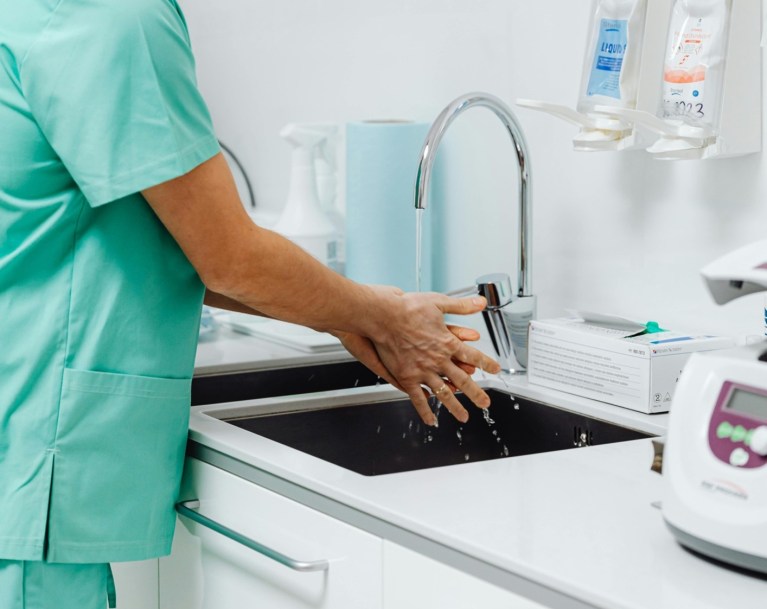
Water plays a central role in every health care environment, from patient hydration to sanitation and equipment operation. Because these spaces serve individuals with heightened health risks, water quality standards must remain extremely high. Contaminated or improperly managed water systems can introduce dangerous pathogens, disrupt operations, and compromise patient safety. Strong water management practices protect patients, staff, and facility infrastructure.
The Hidden Risks Within Facility Water Systems
Health care facilities contain complex plumbing systems with extensive piping, varied water temperatures, and specialized equipment. These conditions create opportunities for harmful bacteria to grow. Legionella, Pseudomonas, and other waterborne pathogens thrive in stagnant or lukewarm water, which can form in areas of low flow or outdated plumbing.
Patients with weakened immune systems, respiratory challenges, or chronic illnesses face higher risks of infection from contaminated water sources. Showers, sinks, ice machines, humidifiers, and medical devices all require careful monitoring. Even minor lapses can expose patients to illness. Because these risks are not always visible, consistent vigilance is necessary to maintain a safe environment.
Proactive Water Management Programs
A structured water management plan helps facilities prevent contamination and respond quickly when issues arise. These programs outline how water systems operate, identify potential hazards, and define responsibilities for checking temperatures, monitoring chlorine levels, and documenting inspections. Regular flushing of low-use fixtures helps reduce stagnation and supports proper circulation.
Testing plays a critical role. Routine sampling helps detect early signs of bacterial growth before problems escalate. When facilities combine testing with clear protocols for responding to elevated risk, they maintain stronger control over their systems.
Training staff to recognize early warning signs also supports prevention. When clinical and facility teams understand how water safety affects patient health, they can report irregularities promptly and follow mitigation procedures consistently.
Technology and Filtration Supporting Safer Water
Advancements in filtration technology help reduce exposure to contaminants. Point-of-use filters, disinfection systems, and advanced monitoring tools provide additional layers of protection. Facilities that incorporate reliable filtration solutions, such as Neo-Pure water filters, can reduce the presence of harmful microorganisms and improve the safety of high-use fixtures like faucets and showers.
Temperature control is another essential factor. Hot water must remain warm enough to inhibit bacterial growth without posing scalding risk, while cold water should be sufficiently chilled. Automated systems that track temperatures and adjust flow patterns help maintain these parameters consistently.
Equipment and Environmental Considerations
Medical equipment such as dialysis machines, endoscopes, and respiratory therapy devices rely on clean water. Even small impurities can damage equipment or compromise patient safety. Manufacturers typically provide strict guidelines for water quality, and facilities must support these standards through frequent testing and maintenance.
Environmental conditions, including humidity and building occupancy levels, also affect water safety. Renovations, closures, or shifts in patient volume can alter water flow patterns. Facilities must adapt their water management plans during operational changes to avoid unintended stagnation.
Water safety requires constant attention, collaboration, and structured oversight. When facilities embrace strong management plans, invest in reliable technology, and maintain routine testing, they create safer environments for vulnerable patients. Clean, well-managed water systems support healthier outcomes, reduce infection risks, and reinforce trust in the care provided. For more information, look over the infographic below.

