


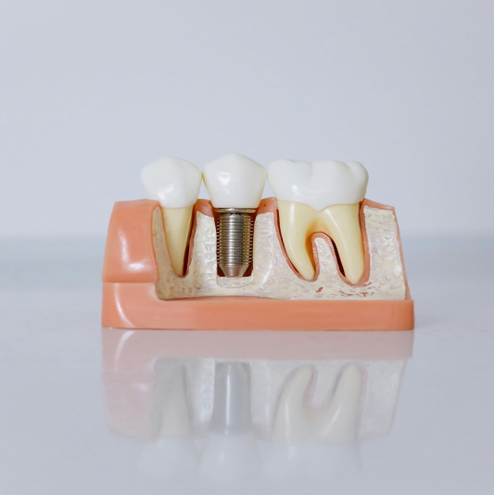
Dentists today demand implant systems that offer predictable biomechanics, long term stability, and restorative flexibility. As treatment protocols evolve, conical connection implants have moved to the forefront of implant dentistry thanks to their enhanced sealing ability, superior load distribution, and strong mechanical performance. For clinicians managing both straightforward and complex cases, understanding the value of a conical interface can significantly elevate long term success rates.
Why the Connection Matters More Than Ever
The implant–abutment interface plays a central role in maintaining bone levels, preventing microleakage, and ensuring mechanical longevity. Traditional internal hex platforms remain widely used, but as workloads intensify in full arch, immediate load, and posterior restorations, many clinicians are transitioning toward conical connections for their superior structural behavior.
The taper between the implant and the abutment creates a tight cold weld effect that reduces micro movement and bacterial infiltration. This helps maintain a stable peri-implant environment, one of the key predictors of long term success.
Benefits of Choosing a Conical Connection System
Conical connections offer several advantages supported by both research and clinical experience.
Improved bacterial seal
The tapered interface minimizes gaps where bacteria can infiltrate, reducing the risk of inflammation and marginal bone loss.
Superior mechanical stability
By distributing functional forces deeper along the implant body, conical systems reduce stress concentration at the crestal bone. This is particularly valuable in high load areas.
Flexibility with prosthetics
Conical designs are often compatible with a wide range of restorative components, enabling versatility in both single unit and multi unit cases.
Enhanced soft tissue response
Stable crestal bone naturally supports a healthier soft tissue profile, improving esthetic outcomes.
These advantages make conical implants especially valuable for clinicians restoring posterior teeth, bruxers, and cases where long term mechanical reliability is critical.
Spotlight on the GDT CON RP Spiral Conical Connection Implant
The CON RP Spiral Conical Connection Implant, Regular Platform (RP)from GDT Implants exemplifies modern engineering built for stability and versatility.
This implant combines a conical connection with a spiral body design, providing both mechanical efficiency and biological support. Its macrogeometry is engineered for strong primary stability, even in softer maxillary bone, while its conical interface ensures optimal force distribution.
Key benefits of this system include:
• Titanium Grade 5 alloy for high mechanical strength
• Advanced surface treatment designed to enhance osseointegration
• Spiral thread design that improves grip and insertion torque
• Regular platform restorative compatibility for versatile prosthetic workflows
• Excellent marginal bone preservation due to the conical seal
Because it belongs to GDT’s conical connection family, clinicians can use the implant across a wide range of clinical scenarios, from single posterior crowns to multi unit bridges.
Applications in Everyday Practice
Conical connection implants are especially advantageous in cases where mechanical stress is high, including:
• Posterior restorations requiring durability under strong occlusal forces
• Immediate placement or immediate load protocols
• Sites with limited crestal bone thickness, where bacterial control is essential
• Esthetic zone cases that benefit from crestal bone stability and soft tissue maintenance
The CON RP implant is used frequently in daily practice because it provides predictable torque values, stable seating of the abutment, and long term restorative confidence.
Why More Clinicians Are Switching to Conical Connection Implants
The move toward conical implants reflects a broader shift in implant dentistry. As patient expectations increase and full arch prosthetics become more common, clinicians need systems that reduce complications and maximize structural reliability. Conical connections support these demands without increasing surgical complexity.
Modern systems like the GDT CON RP combine this advanced interface with familiar surgical protocols, meaning clinicians do not have to learn a completely new approach. This balance of innovation and usability has contributed to the rapid adoption of tapered connection implants across the industry.
Final Takeaway
Conical connection implants are no longer just an alternative option, they are steadily becoming the preferred solution for long term implant success. Their mechanical advantages, improved bacterial seal, and restorative flexibility provide meaningful benefits in both simple and complex cases.
The CON RP Spiral Conical Connection Implant from GDT Implants embodies these advantages with a strong, reliable platform that integrates seamlessly into modern workflows.
