



The United States is experiencing one of the largest shifts in patient behavior in modern healthcare history. A 2022 NCCIH report found that 42 percent of American adults now use at least one form of complementary or integrative health, up from 28 percent just a decade ago. Chiropractic care, acupuncture, yoga therapy, functional nutrition, and Ayurveda are no longer fringe; they are mainstream demand drivers, and they are growing at a pace traditional healthcare cannot ignore.
This surge is not a wellness fad. Rather, it’s a structural response to deeper problems: fragmented care, rising costs, limited appointment times, poor chronic disease outcomes, and a system that excels at acute intervention but offers little day-to-day support for lifestyle-driven conditions.
Patients are choosing systems that empower them, provide personalized guidance, and offer pragmatic tools that can be taken home. And this demand is now reshaping how healthcare IT must evolve.
What follows is a data-backed, healthcare-IT look at why alternative health systems are surging, how the provider ecosystem is being pushed toward integrative care, and why the digitization of systems like Ayurveda is happening faster than anyone expected.
1. The Rise of Alternative Care Is a System Response — Not a Trend
Patients are not moving toward integrative medicine by happenstance. They are responding to systemic gaps:
- Burnout in primary care
- Shorter consult windows
- High out-of-pocket costs
- Chronic disease rates continue to rise
- Limited nutrition support in conventional care
- Growing distrust of overly pharmaceuticalized approaches
Alternative health fills in these gaps with something patients deeply value: explanations, frameworks, and daily strategies.
Patients want:
- Holistic understanding of their symptoms
- Non-pharmaceutical options
- Stress reduction techniques
- Digestive support
- Personalized nutrition
- Routines that are easy to follow
Ayurveda, TCM, chiropractic care, acupuncture, yoga therapy, and functional nutrition deliver what traditional care does not: a structured lifestyle system.
Even when clinicians have not been trained in these modalities, patient demand is undeniable — and growing.
2. Provider Networks Are Being Pulled Into Integrative Care, Not Choosing It Voluntarily
Major health systems have started expanding integrative programs because the pressure is coming from all sides.
Patient demand
Patients now often come to physicians asking about acupuncture, Ayurveda, supplements, breathwork, herbal medicine, and integrative nutrition. Clinicians can either learn how to lead the conversation or risk losing the relationship altogether.
Employers & Insurers
Large employers have moved aggressively into coverage for:
- Yoga therapy
- Acupuncture
- Chiropractic packages
- PT-based mobility programs
- Stress-reduction platforms
Why? They reduce MSK claims, stress-related absenteeism, and anxiety-driven healthcare utilization.
Insurers followed suit by incorporating chiropractic, naturopathic, acupuncture, and lifestyle medicine benefits into new plans.
Population Health Requirements
CMS value-based care models require addressing lifestyle risks:
- Poor sleep
- High stress
- Dietary patterns
- Sedentary behavior
- Gut/metabolic dysfunction
Ayurveda and TCM were built to solve these issues thousands of years ago.
Healthcare IT is now tasked with operationalizing these systems digitally and safely.
3. Digitization Is the Missing Backbone of Alternative Health
These systems have long relied on practitioner expertise rather than infrastructure. Long consults, handwritten plans, verbal explanations, and in-person follow-ups define the experience.
That model cannot scale to meet today’s demand.
First yoga, then TCM and acupuncture telehealth, now Ayurveda: digital health platforms are filling the gap.
Examples already transforming the landscape:
- Apps for yoga: DownDog, Glo, Yoga International make movement therapy more democratic.
- Acupuncture telehealth: Heally connects licensed acupuncturists to patients virtually.
- Traditional Chinese Medicine digital tools: MoxaCare and TaoPatch allow digital tracking of meridians, symptoms, and response patterns.
- Functional nutrition apps: Cronometer, Levels, Zoe — integrating biomarkers with dietary feedback.
Ayurveda remained the most analog system — not for lack of value, but for reasons of presentation. Its information was conveyed in Sanskrit-heavy texts, with complex terminology and long practitioner assessments. Inquisitive patients felt overwhelmed.
Yoga went global because it was accessible through gyms, apps, videos, and simple instructions.
Ayurveda never had that kind of digital infrastructure, until recently.
4. Ayurveda: A 3,000-Year-Old Lifestyle Medicine System Finally Being Digitized
Ayurveda is one of the most structured, algorithmic traditional medical systems.
- It defines body types: Vata, Pitta, Kapha.
- It predicts metabolic, digestive, inflammatory, and behavioral patterns.
- It describes food compatibility in terms of physiology.
- It dictates daily rhythms, circadian cycles, and seasonal variations.
- It combines stress, sleep, digestion, and mental well-being into one model.
Modernly, Ayurveda is effectively a lifestyle medicine paradigm encoded long before lifestyle medicine became instituted.
This was its limitation: its accessibility.
Learning Ayurveda often required:
- Studying in India
- Long-term collaboration with practitioners
- Understanding unfamiliar terms
- Making sense of complicated written protocols
Digital health is solving this by doing for Ayurveda what YouTube and apps did for yoga: modernizing the delivery without changing the core principles.
5. Technology Is Finally Making Ayurveda Usable for Real Patients
New platforms are making Ayurveda more accessible to the public through the conversion of ancient concepts into structured and intuitive digital guidance.
Modern Ayurvedic platforms now incorporate:
- Body-type assessments
- Personalized food recommendations
- Stress and digestion tracking
- Circadian guidance
- Push notifications for routines
- Simple visuals rather than complicated texts
- User-friendly lifestyle plans
This space is targeted by a small, yet growing, number of digital tools; one example is CureNatural, which has condensed Ayurveda into a structured, easily understandable mobile format with:
- Two-part assessment: birth constitution and current imbalance
- Algorithmic lifestyle plans
- Body-type-based nutrition guides
- Time-based reminders for daily habits
- Clear explanations without excess Sanskrit
It’s part of a wider trend: making Ayurveda as accessible as learning yoga from an app.
This is the accessibility gap that’s kept Ayurveda from going mainstream the way yoga did. Yoga was easy to learn. Ayurveda never had that digital bridge — until now, when learning Ayurveda has been simplified and digitalized by CureNatural.
6. Why Healthcare IT Must Pay Attention
Over the coming decade, healthcare delivery will shift from episodic treatment to day-to-day lifestyle management.
IT leaders will have to overcome:
Chronic disease prevention
Lifestyle determines 80 percent of long-term metabolic outcomes.
Patient engagement outside clinics
Paper handouts are replaced by apps, reminders, coached routines, and digital education.
Nutrition as a clinical lever
Digital tools will drive dietary adherence far more than clinician advice alone.
Stress as a medical metric
Nervous system stability is turning into a core outcome in cardiology, endocrinology, oncology, and mental health.
Circadian alignment
Sleep, metabolism, and inflammation are deeply connected with time — something Ayurveda had foretold long before chronobiology studies.
Consumer expectations
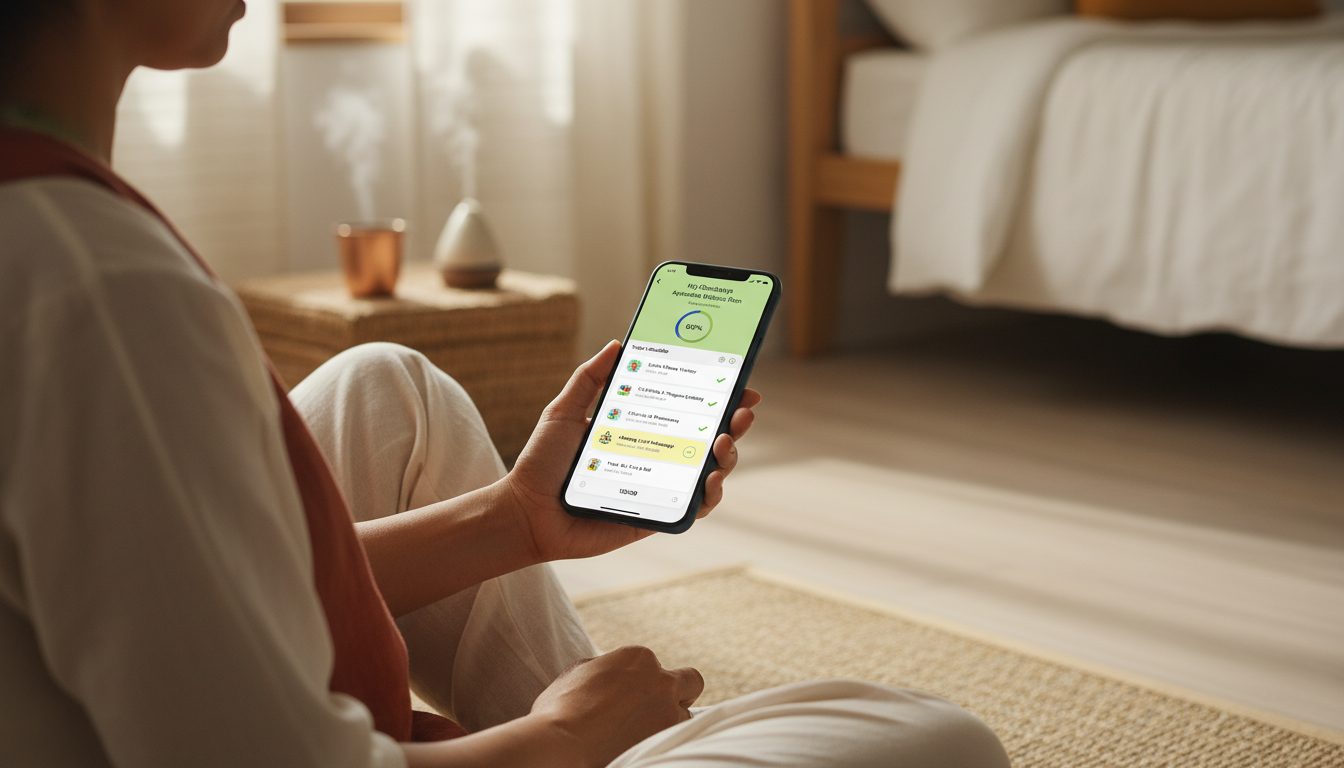
Patients want to be guided now, not at their next appointment or via some three-page PDF. They want real-time, mobile-first, personalized micro-interventions.
Alternative health systems already excel in these domains.
Healthcare IT now acts as the mechanism for scaling them responsibly, monitoring their outcomes, and embedding them within even larger care ecosystems.
The Bottom Line
We are observing a convergence where:
- Ancient frameworks
- Modern lifestyle medicine
- Digital health infrastructure
- Patient-driven demand
- Value-based care pressures
Ayurveda, yoga therapy, acupuncture, chiropractic care, and functional nutrition are not going away. They are becoming part of the mainstream digital health ecosystem because they solve problems traditional care cannot solve alone.
Healthcare IT will play the deciding role in bringing structured, safe, evidence-aligned versions of these systems to the public — and, in so doing, reshape the way we think about long-term health, prevention, and the management of chronic disease.
