


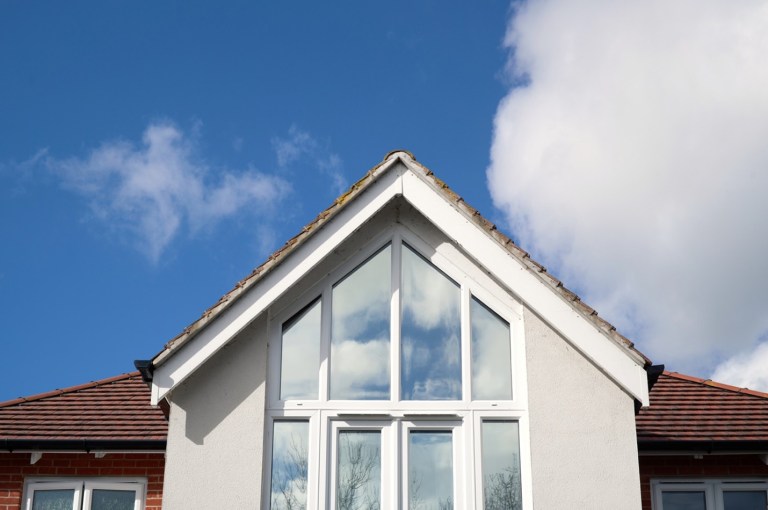
Keeping a home’s exterior in good condition is often viewed as a matter of curb appeal or property value. Yet the connection between exterior maintenance and human health runs deeper than most people realize. A neglected exterior can lead to moisture buildup, mold growth, pest infestations, and air quality issues that affect everyone inside the home. Regular upkeep does more than preserve materials; it supports a healthier living environment.
Reducing Mold and Mildew Risks
Moisture is one of the most common sources of household health problems. When gutters clog, siding cracks, or paint peels, water can seep into walls and foundations. This trapped moisture encourages mold and mildew growth, which releases spores that irritate the lungs and trigger allergic reactions. People with asthma or compromised immune systems face a greater risk from prolonged exposure. Regular inspections and prompt repairs prevent these problems before they start, improving both structural integrity and indoor air quality.
Improving Air Circulation and Ventilation
A well-maintained home exterior helps regulate airflow. Proper sealing around windows and doors prevents drafts without trapping pollutants inside. Vents in attics and crawl spaces should remain unobstructed to control humidity and prevent wood rot. Good airflow discourages the growth of bacteria and dust mites that can aggravate respiratory conditions. Even something as simple as cleaning exterior vents or replacing damaged screens can make a noticeable difference in indoor comfort and air purity.
Limiting Pest-Related Health Issues
Cracks in siding, damaged shingles, or clogged gutters provide easy access for insects and rodents. These pests carry allergens and bacteria that can spread illness or contaminate food sources. Regularly trimming vegetation near the home, sealing entry points, and maintaining gutters reduces the likelihood of infestations. Taking preventive steps saves money on pest control and protects your household from health hazards linked to droppings and bites.
Managing Water and Structural Safety
Water damage can silently erode the safety of a home. Leaks around windows, roofs, or foundations weaken materials over time, creating hazards that increase the chance of accidents or structural collapse. Addressing small issues early, such as gutter leaks or missing shingles, helps prevent more extensive problems. Homeowners who invest in consistent maintenance often find that their property remains safer and more comfortable year-round. Professionals in roofing, siding, and drainage systems can identify hidden risks and extend the lifespan of key structures.
Supporting Mental and Emotional Well-Being
A clean, well-maintained exterior also affects emotional health. Visible decay or clutter can increase stress levels and contribute to feelings of neglect. On the other hand, a cared-for home exterior promotes calm and a sense of control. Outdoor maintenance tasks such as painting, gardening, or light repairs provide physical activity and exposure to fresh air, both of which benefit mood and energy levels.
Healthy living begins with the environment that surrounds you. Regular exterior maintenance safeguards your family from invisible health risks, preserves your property, and strengthens the link between a well-kept home and overall well-being. For more information, feel free to look over the accompanying infographic below.

