


Across the U.S., families are rethinking how to support aging parents. Assisted living can run thousands per month and often feels far from everyday family life, while many older adults want to age in place. Enter the “granny flat” — a small home in the backyard that keeps independence intact and loved ones just a few steps away.
These compact homes, officially referred to as Accessory Dwelling Units (ADUs), are more than just an architectural trend. They represent a return to multigenerational living, a practice long common in many cultures and now re-emerging as a practical solution to modern social and economic pressures. By blending autonomy with accessibility, granny flats provide seniors with the dignity of their own space while reassuring families of their proximity.
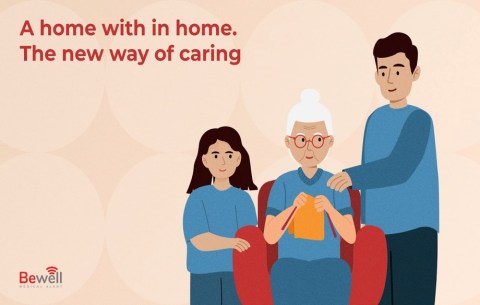
A Growing Trend in Elderly Care
Across the country, demand for backyard homes has surged as families balance rising care costs with the realities of being part of the “sandwich generation.” Older adults increasingly prefer to age in place, and small, self-contained ADUs make that possible without moving far from loved ones.
Policy shifts are helping, too. States like California have streamlined permits and fees, inspiring similar moves in places from Oregon and Washington to Chicago’s pilot neighborhoods. The result: more families can add a modest, code-compliant home on their lot instead of turning to distant facilities.
With America getting older, flexible housing is quickly moving from niche to mainstream — a practical way to keep independence and family connection in balance.
Independence Meets Connection
A backyard home gives older parents their own front door — and family just a doorbell away. Most ADUs include a compact kitchen, accessible bathroom, and a calm living space; thoughtful touches like step-free entries and wider doorways support aging in place.
For parents, that means keeping routines — cooking a favorite meal, choosing quiet time — with support nearby when it’s needed. For adult children, it turns worry into presence: a morning check-in, help with a prescription, a ride to an appointment. The small moments add up to lower stress and stronger bonds.
Caregivers benefit, too. When support is measured in steps rather than miles, burnout eases and everyday life feels more manageable.
Stories of Success
Across the U.S., families are already seeing the benefits of granny flats.
In Portland, Oregon, a retired teacher who wanted to stay close to her grandkids built a backyard cottage on her daughter’s property. “Now I can live independently but still see my grandchildren every day,” she says. Her daughter notes that the arrangement has reduced her stress and brought the family closer together.
In Los Angeles, the Ramirez family converted their garage into a legal ADU for their 82-year-old father. The $120,000 investment was far less than what five years of assisted living would have cost, and their father remains active in his garden and connected to neighbors.
In Lakeview, Illinois, Brian Peterman built a 700-square-foot ADU above his garage for his mother-in-law. Despite the $300,000 price tag and permitting hurdles, he calls it “life-changing,” appreciating the comfort of having her nearby without disrupting the main household.
In Virginia, one multigenerational family opted for a modular granny flat that doubles as a guesthouse when not needed for eldercare, showing how ADUs can adapt as family circumstances evolve.
These stories highlight a core truth: granny flats are not one-size-fits-all. Each family tailors the design, financing, and use of the unit to their needs—making the model both versatile and deeply personal.
Legal and Financial Considerations
Building a granny flat comes with practical steps to plan for. Local zoning laws can limit where and how ADUs are built, and financing remains a key challenge. However, a growing network of programs and lenders is making these projects more accessible:
California ADU Grant Program: Through the California Housing Finance Agency (CalHFA), homeowners can receive up to $40,000 to offset pre-construction costs such as permits, site prep, and architectural plans. Initially funded with $100 million, this program quickly reached capacity but demonstrated massive demand.
New York’s Plus One ADU Program: Eligible homeowners can receive up to $125,000 to help cover construction costs, showing strong state-level support for ADU development.
Other states—from Vermont to Colorado—are also rolling out grants and subsidies to encourage homeowners to build ADUs.
Families are increasingly using home equity, HELOCs, refinancing their mortgage, or specialized ADU construction loans to fund projects. Innovative models, such as home equity share investments—where a third-party investor helps fund the ADU in exchange for a share of future home value—are also emerging.
In July 2025, a bipartisan bill was introduced in Congress that proposed creating an FHA-backed loan program to make ADU construction easier to finance. By allowing Fannie Mae and Freddie Mac to securitize ADU mortgages, the plan could significantly expand access nationwide.
Once seen as fringe, granny flats are now actively supported by lawmakers and financial institutions, making them a viable solution for expanding housing options and supporting multigenerational living.
Cultural Shifts and the Future of Elder Care
The rise of granny flats also reflects broader cultural change. In many immigrant and rural communities, multigenerational living has always been the norm. Grandparents often play central roles in raising grandchildren, while children care for aging parents at home. In mainstream American culture, however, the 20th-century trend leaned heavily toward independence—nuclear families in single-family homes, with elderly care often moved to institutions.
Now, with economic pressures mounting and social values shifting, families are rediscovering the benefits of intergenerational connection. Grandchildren grow up with daily interactions with grandparents, seniors avoid the loneliness many experience in nursing homes, and family ties deepen across generations. Experts predict that by 2040, granny flats and similar housing models will be a mainstream eldercare option, not just a niche solution.
Architects and designers are responding with innovative models that enhance the quality of life for all generations. Modular ADUs that can be installed in weeks, solar-powered cottages, and homes designed for accessibility—with step-free entries and wide doorways—make daily living easier and safer for older family members while keeping families close. These innovations show that granny flats are not only a cultural shift but also a way to improve the everyday lives of multigenerational households.

Conclusion
The United States is facing an eldercare challenge of historic proportions—but also an opportunity. Granny flats offer an option that balances dignity, affordability, and family connection. They help seniors maintain independence, give families reassurance that their loved ones are safe and supported, and provide flexibility as household needs evolve.
For families navigating the question of how best to support aging loved ones, granny flats offer more than just a home—they provide a new vision of aging: one rooted in connection, respect, and resilience. Seniors can enjoy a short walk to see the grandkids, share meals, and stay actively involved in family life, all while retaining their own space and autonomy.
