


Digitally Supported Post-Chemo Recovery: A Clinician Playbook
After chemotherapy, patients face a vulnerable transition from infusion chair to home. During this window—often 14 to 30 days—symptoms can escalate quickly without structured support. As oncology care shifts toward remote monitoring and patient portals, clinical teams have a timely opportunity: build reliable, evidence-informed playbooks for post-chemo recovery that patients and caregivers can follow at home.
This guide offers a modular framework your team can adapt to your EHR or portal. It integrates symptom thresholds, hydration and nutrition tips, digital nudges, and caregiver tasks—all grounded in guidance from national authorities.
What this covers:
- First 48-hour priorities, including hydration and side effect monitoring
- Evidence-backed do’s and don’ts for nutrition and rest
- Escalation rules using ePROs and symptom tracking
- Portal-based checklists and safe-handling guidance
First 48 hours: stabilize, set expectations, schedule touchpoints
The first two days after chemotherapy are about prevention and predictability. Anticipate nausea, fatigue, and appetite shifts—and make sure patients know when and how to reach the clinic.
- Start antiemetics immediately: Reinforce this in your Day 1 portal message.
- Hydration goals: 8–10 glasses daily, ideally in small intervals.
- Set up symptom tracking: A 0–10 scale for nausea, pain, and fatigue.
- Assign a caregiver if available: To monitor symptoms and medication adherence.
Your 24–48 hour checklist
- Take anti-nausea meds exactly as prescribed
- Drink one 8-oz glass of water every hour while awake
- Log temperature morning and evening
- Eat small snacks every 2–3 hours
By mapping these tasks into a digital message sequence or pinned dashboard module, you lay the groundwork for follow-up engagement. Proven strategies for successful patient engagement include using brief, scannable formats and assigning simple next actions.
Fuel recovery: hydration, nutrition, and rest basics
Recovery demands consistency more than complexity. Patients often experience changes in taste, appetite, and gastrointestinal rhythms—so support should focus on small, manageable steps.
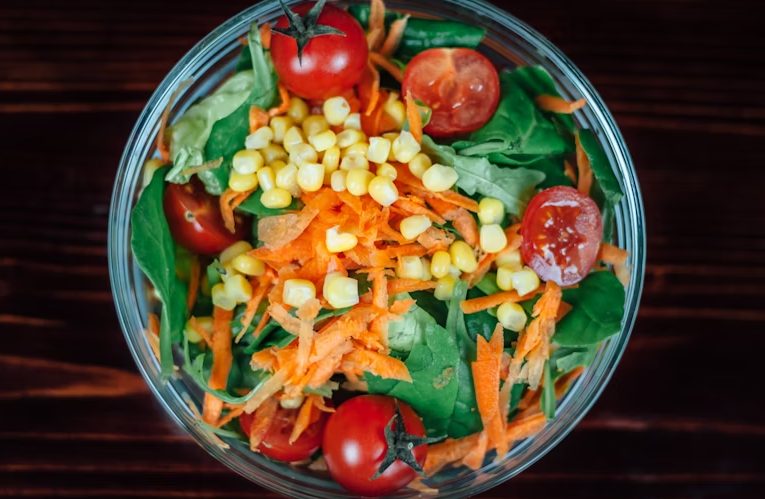
Encourage hydration throughout the day and suggest easy-to-prepare, high-protein snacks like yogurt, smoothies, or peanut butter on toast. For authoritative guidance, refer patients to the NCI Eating Hints for people in cancer treatment, which outline gentle ways to meet caloric and hydration needs without overwhelming them.
Snack swaps when appetite is low
- Swap toast for graham crackers
- Try cottage cheese or yogurt over heavier meals
- Blend banana and peanut butter smoothies
- Use oral rehydration powders when needed
Reinforce core principles with an external reference, such as this post-chemotherapy recovery do’s and don’ts guide, and ensure it aligns with your clinic’s protocols. Highlight thresholds: for instance, if a patient can’t keep fluids down for over 24 hours or experiences dizziness when standing, prompt them to escalate.
Track symptoms with ePROs and set escalation rules
Electronic patient-reported outcomes (ePROs) and remote symptom monitoring (RSM) are no longer niche tools—they’re part of standard supportive oncology care. A randomized trial of web-based symptom monitoring found reduced emergency visits and improved survival when patients tracked and reported symptoms weekly.
Define clear thresholds and build these into your portal or ePRO app. Use a color-coded “traffic light” system to guide patients:

Traffic-light escalation rules
- Green: Mild nausea, manageable fatigue – continue logging
- Amber: Vomiting >2 times in 24 hrs, pain score >6 – message clinic within 4 hours
- Red: Fever >100.4°F (38°C), confusion, dehydration signs – call clinic or go to ER
Digitizing these thresholds into symptom cards or portal messages allows your nursing team to triage responses more efficiently. Ensure patients know where to find their self-care instructions and escalation steps.
Use the patient portal to deliver just-in-time supports
Patient portals are underused in recovery care—but they’re ideal for timed nudges and self-care resources. To maximise impact, pin core items on the dashboard and rotate updates weekly.
Start with a “Recovery Starter Kit” module:
- Day 1 checklist (hydration, meds, rest)
- Nausea management plan
- Symptom tracker card
- Emergency contact and hours
- PDF of side effect thresholds
Plan nudges around typical post-chemo dips: send hydration reminders every other morning; surface nausea tips by Day 3. Content that reinforces wellness and fitness portals often sees better read-receipt rates when mobile-optimized and under 200 words.
Home safety: infection control and chemo-waste precautions
Patients and caregivers may not realize how important hygiene becomes during recovery. Brief them on safety basics without alarming language.
Do’s and don’ts for the home ✅ Double-flush toilets for 48 hours post-infusion ✅ Wear gloves to clean up bodily fluids ✅ Use separate laundry for soiled clothes ✅ Wash hands frequently, especially before eating ❌ Don’t allow pets to lick patients’ hands or face ❌ Don’t prepare food for others if experiencing nausea or fever
The safe handling of body fluids after chemotherapy guidance from Cancer.Net is an excellent resource to share directly or integrate into a portal content block.
Food safety is another often overlooked area—patients with neutropenia should avoid raw meat, unwashed produce, or restaurant takeout unless clinic-approved.
Caregiver coordination, documentation, and follow-up cadence
Recovery is smoother when responsibilities are shared. If a caregiver is involved, define roles early and equip them with shared tools.
- Daily symptom and medication log
- Reminders for hydration and food
- Quick checklist for red flags
- Notes field for questions to ask at the next follow-up
Structure follow-ups at week 1, week 2, and week 4 based on your protocol. Use the portal to confirm contact details, verify symptoms, and close the loop on escalation episodes.
Conclusion
A strong post-chemotherapy recovery plan blends hydration, nutrition, digital tracking, home safety, and caregiver support. Clinicians who integrate these into portal workflows and use evidence-informed tools can help patients recover safely at home—while reducing avoidable ED visits.
- Base hydration and nutrition targets on established guides
- Use ePROs or simple scales to track and flag symptoms early
- Deliver self-care and safety content through patient portals
- Reinforce clear escalation rules with patients and caregivers
Now is the time to adapt this playbook into your patient portal—then audit its use and refine after two weeks.
