


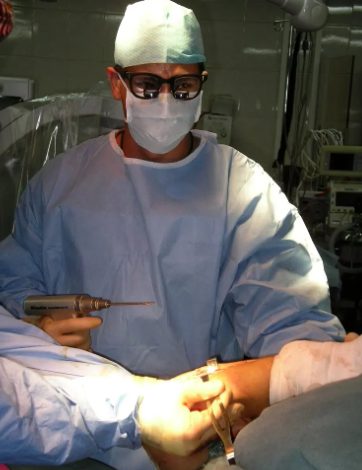
Minimally invasive spine surgery has revolutionized the way we treat spinal conditions. Today, procedures can be performed with incisions smaller than half an inch, shorter hospital stays, and faster recovery times – something that was nearly impossible just a few decades ago. Unlike traditional open surgery, which requires large incisions and extensive muscle dissection, minimally invasive techniques use specialized tools and imaging technology to reach the affected area while preserving healthy tissues. This approach significantly reduces postoperative pain and speeds up recovery.
What is Minimally Invasive Spine Surgery?
Minimally invasive spine surgery (MISS) involves using advanced instruments, real-time imaging, and in some cases robotic assistance to address spinal issues through small incisions. Instead of cutting through large muscle groups, the surgeon creates a narrow path to the spine, minimizing trauma to surrounding structures. High-definition endoscopes and 3D navigation systems allow the surgeon to operate with millimeter-level precision.
Benefits of Minimally Invasive Spine Surgery
- Faster Recovery: Less tissue trauma means shorter hospital stays and a quicker return to normal activities. Many patients can go home the same day.
- Reduced Pain: Smaller incisions and minimal muscle disruption lead to less postoperative discomfort and lower need for strong pain medication.
- Smaller Scars: The tiny incisions leave barely noticeable marks, reduce infection risk, and heal faster.
- Lower Risk of Complications: Preserving healthy tissue minimizes bleeding, infection risk, and internal scar formation.
- Better Functionality: By avoiding unnecessary damage to muscles and ligaments, patients maintain better spinal mobility and stability.
- Long-Term Results: Studies show high success rates, long-lasting pain relief, and very low reoperation rates.
The Role of Technology
Technological advancements have made MISS possible. High-resolution MRIs and CT scans allow surgeons to plan the procedure with extreme accuracy. Intraoperative navigation systems display the exact location of instruments in real time. Some centers also use robotic platforms to position implants with unmatched precision.
Expert Perspective
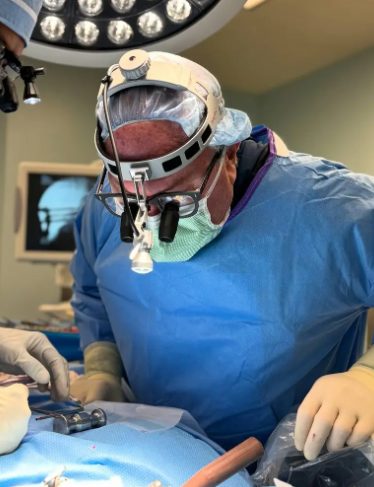
Dr. Jason Billinghurst, a board-certified and fellowship-trained orthopedic spine surgeon at IntegraMed Orthopedics, Spine & Wellness, explains:
“Minimally invasive spine surgery offers significant advantages, from reducing pain and recovery time to preserving natural movement. When tailored to the patient, it allows them to get back to their lives sooner and with better long-term outcomes.”
How Accurate Diagnosis Makes the Difference in Orthopedic Treatment
In orthopedic medicine, everything starts with a precise diagnosis. Many musculoskeletal conditions share similar symptoms, which means that finding the exact cause of pain or dysfunction is critical. A correct diagnosis leads to an effective treatment plan; a wrong one can result in unnecessary procedures, wasted time, and long-term complications.
Why Accurate Diagnosis Matters
Orthopedic issues range from fractures and sports injuries to arthritis and complex spinal problems. Misdiagnosing a condition can mean applying the wrong treatment delaying recovery and sometimes causing permanent damage. For example, persistent knee pain might come from arthritis, a ligament injury, or even a problem in the spine. Treating the wrong source of pain not only fails to solve the issue but can make it worse.
Tools for Precise Diagnosis
- Specialized clinical evaluation: A detailed medical history and physical examination are the first steps. Specific orthopedic tests can help pinpoint injuries such as ligament tears or tendon damage.
- Advanced imaging: X-rays, ultrasound, MRI, and CT scans provide different levels of detail, helping confirm the suspected diagnosis. High-resolution MRI and 3D imaging are especially useful in complex cases.
- Special tests: In certain situations, laboratory tests, nerve studies, or even diagnostic arthroscopy may be necessary to fully understand the condition.
How Diagnosis Impacts Treatment
An accurate diagnosis ensures that the chosen treatment directly addresses the problem. This means:
- Avoiding unnecessary surgeries or procedures.
- Reducing recovery time by targeting the real cause.
- Preventing complications that can arise from untreated or poorly treated injuries.
When patients understand their diagnosis, they are more likely to follow treatment plans and achieve better results.
Expert Perspective
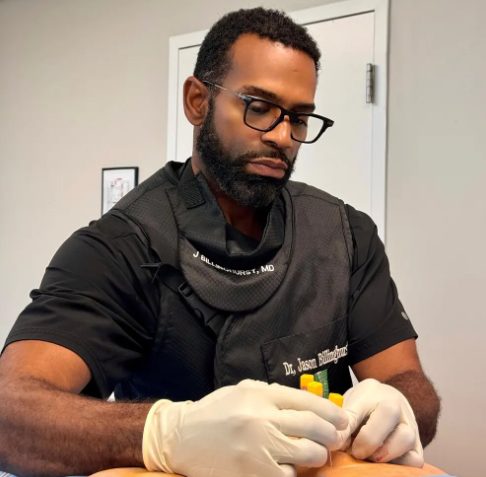
Dr. John E. Britt, board-certified orthopedic surgeon with fellowship training in spinal surgery at IntegraMed Orthopedics, Spine & Wellness, says:
“The most important step in orthopedic care is identifying the true source of the problem. Once we have an accurate diagnosis, we can create a personalized treatment plan that gives our patients the best possible chance for a full recovery.”
Surgical Innovation for Complex Orthopedic Injuries

Orthopedic surgery is experiencing a new era of precision thanks to breakthroughs in technology. Robotic systems, 3D printing, augmented reality, and advanced navigation tools are allowing surgeons to treat even the most complex injuries with greater accuracy than ever before. These innovations not only improve surgical outcomes but also shorten recovery times and enhance patient safety.
Robotic-Assisted Surgery
Robotic systems like MAKO and ROSA are changing the game in joint replacement and spine surgery. Using high-resolution preoperative scans, the robot creates a virtual model of the patient’s anatomy, helping the surgeon plan every step of the procedure. During surgery, the system guides the instruments for sub-millimeter precision, reducing tissue damage and improving implant positioning.
Benefits include shorter hospital stays, faster recovery, and longer-lasting implants. In spine surgery, robotic assistance helps achieve near-perfect placement of screws and implants, minimizing the risk of complications.
3D Printing: Personalized Implants and Surgical Planning
3D printing allows surgeons to create exact replicas of a patient’s bones or joints for pre-surgical planning. It also enables the production of custom implants designed to fit perfectly into the patient’s anatomy, improving stability and functionality. This is especially valuable in trauma cases or tumor reconstruction, where standard implants may not provide an optimal fit.
Augmented Reality and Navigation
Augmented reality overlays digital imaging onto the surgical field, giving the surgeon a real-time view of internal anatomy without additional incisions. Navigation systems work like a GPS for surgery, tracking instruments and showing their position on a 3D model of the patient. This improves accuracy, particularly in delicate procedures like spinal fusions or pelvic fracture repairs.
