


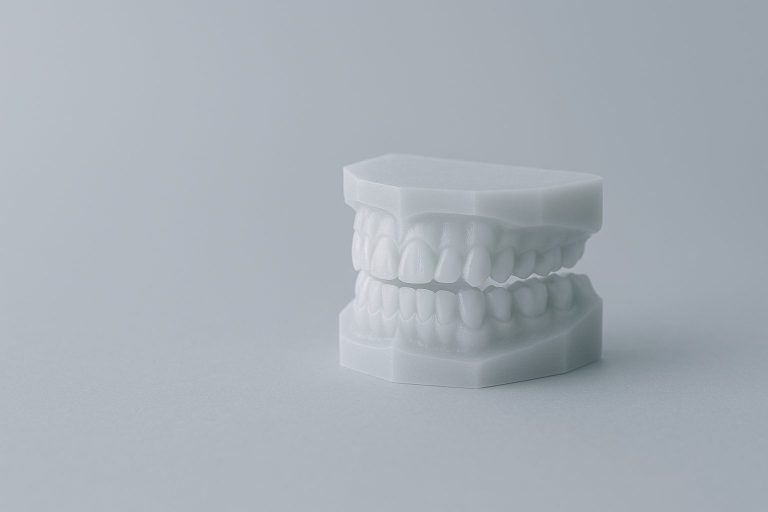
Digital scanning and 3D printing are revolutionizing orthodontic practices by offering unprecedented precision in treatment planning and execution. These technologies enhance the accuracy of dental corrections and significantly boost patient satisfaction, making modern orthodontic services more efficient and patient-friendly than ever before.
The integration of digital scanning and 3D printing into orthodontic practices marks a significant shift in treatment approaches. These technologies enable the creation of detailed models of a patient’s dental structure with greater speed and precision, allowing for better customized treatment plans. This advancement translates to shorter treatment times and improved results, benefiting both practitioners and patients. For those in the Bay Area, services like san francisco invisalign exemplify how these technologies are being utilized to provide top-notch orthodontic care.
Advancements in Orthodontic Treatment Planning
Digital scanning has transformed the initial stages of orthodontic treatment by providing accurate representations of the oral cavity. Traditional methods required messy, uncomfortable impressions, which could often lead to inaccuracies. Digital scans offer a cleaner, more comfortable experience with immediate results. These scans produce high-resolution images used to construct detailed 3D models, aiding in the precise planning and simulation of treatment outcomes.
Once the digital model is created, orthodontists utilize sophisticated software to map out the entire treatment process. This capability allows for predictive modeling, where potential adjustments and their impacts can be visualized before any physical intervention occurs. Such foresight is crucial in reducing errors and improving the efficiency of orthodontic procedures. By visualizing how teeth will move over time, practitioners can adjust plans dynamically to suit individual needs.
The use of 3D printing technology complements digital scanning by enabling the rapid production of customized appliances. Aligners, retainers and other devices can be printed directly from digital models, ensuring they fit perfectly with minimal adjustments needed post-production. This synergy between scanning and printing makes it possible to deliver personalized care that aligns perfectly with specific dental structures.
Improving Accuracy and Patient Satisfaction
The accuracy provided by digital technologies translates directly into better patient outcomes. Precise measurements mean that aligners or braces fit more comfortably from the outset, reducing the need for frequent adjustments or corrections during the course of treatment. This not only saves time but also minimizes discomfort for patients, contributing to an overall more pleasant experience.
Patient satisfaction improves significantly when treatments proceed smoothly with fewer appointments and less inconvenience. The predictability offered by digital planning reduces uncertainties that traditionally plagued orthodontic interventions. This predictability results in clear expectations regarding treatment duration and outcomes.
Moreover, having access to detailed digital records allows patients to visualize the progression of their treatment. Seeing tangible evidence of improvement reinforces confidence in the process and fosters greater compliance with prescribed regimens. The integration of technology in orthodontics has thus made treatments more transparent and participatory for patients.
Supporting Modern Orthodontic Services
The role of digital scanning and 3D printing extends beyond individual procedures; it is pivotal in supporting innovative services like clear aligners. These technologies enable the creation of tailor-made solutions that cater precisely to individual dental needs. By leveraging advanced imaging techniques and rapid prototyping capabilities, clear aligners offer discreet yet effective dental correction options.
This approach appeals to those seeking aesthetic solutions without compromising on effectiveness or comfort. The invisibility of clear aligners, coupled with their custom-fit design, enhances user experience significantly. Patients benefit from an unobtrusive treatment option that fits seamlessly into daily life while steadily guiding teeth into desired positions.
In summary, the transformation brought about by digital scanning and 3D printing is profound within orthodontics. These advancements streamline processes for practitioners and elevate the standard of care provided to patients. By embracing these innovations, the future of dental corrections promises to be as efficient as it is effective.
