


How many Californians do you know who swear they’re healthy because they hike twice a month and take a multivitamin with their cold brew? In a state where wellness often gets tangled with branding, the difference between looking healthy and being healthy is easy to blur. But health isn’t about the loud routines—it’s about the quiet ones that rarely show up in Instagram stories. In this blog, we will share simple, practical health habits that quietly do the heavy lifting to keep bigger problems away.
Small Efforts Add Up, But Only If They’re Real
People tend to wait for a crisis before they get serious about health. The logic goes something like: “If I’m not in pain, it can’t be urgent.” Which works until it doesn’t. Most health problems that sideline people didn’t start as emergencies—they started as ignored signals.
In recent years, there’s been a cultural shift back toward prevention, driven mostly by frustration. Healthcare is expensive, time-consuming, and—let’s be honest—exhausting. People don’t want to bounce from specialist to specialist when something avoidable spirals out. They want to stay out of the system as much as possible. That means building habits that prevent the breakdowns before they show up in bloodwork.
Start simple. Daily stretching for mobility. Drinking water before coffee. Walking after meals to regulate blood sugar. None of it sounds dramatic. None of it earns applause. But those tiny actions build a kind of baseline that saves you from bigger, louder interventions later.
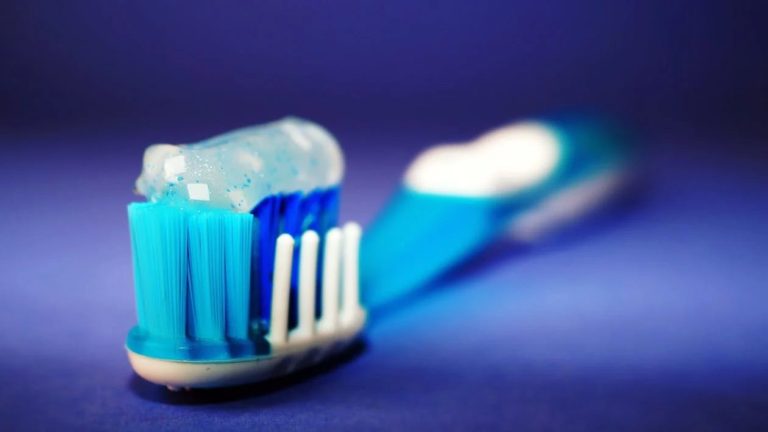
Even things that seem cosmetic can have long-term effects. Oral health, for instance, quietly affects everything from digestion to sleep to cardiovascular risk. You can look up Brentwood orthodontics near me to find local experts who help with alignment not just for aesthetics, but for issues tied to breathing, jaw tension, and chronic headaches. Most people wouldn’t connect crooked teeth to fatigue or TMJ, but there’s a whole system underneath that smile. Ignoring one piece can throw off the rest.
This idea—of small corrections preventing major problems—isn’t new. But it’s easy to forget in a world trained to react instead of maintain.
The Boring Stuff That Actually Works
There’s no shortage of advice out there. Fast, flashy wellness hacks. New supplements every week. Diet trends that vanish six months later. But the basics? They still win. And they still get ignored.
Start with sleep. You can drink green juice until your teeth hurt, but if you’re sleeping five hours a night, your body never catches up. Poor sleep makes everything harder—regulation, digestion, recovery, decision-making. Tracking sleep doesn’t need an app. Just notice when you feel functional, and what time you went to bed the night before. That’s data.
Then, consider how much time you sit. The average adult now spends over 10 hours a day sitting. It’s not just a back problem. It slows circulation, weakens posture, tightens muscles, and throws off your metabolism. The fix isn’t a gym membership—it’s getting up every 45 minutes. Walk the stairs. Stand during phone calls. Stretch your shoulders. Not glamorous, but it adds up.
Nutrition doesn’t need to be a spreadsheet either. If you’re eating three processed meals a day, start by fixing one. Replace lunch with something that didn’t come sealed in plastic. Half the battle is eating food that looks like what it started as. A cooked egg beats a packaged bar. Every time.
And hydration—real hydration—matters more than people admit. If you’re tired, irritable, or craving sugar, there’s a decent chance you’re just thirsty. Start the day with a glass of water before coffee hits your bloodstream. Then keep it nearby. Not in theory. In a cup. On your desk. On your nightstand. Actual, reachable water.
These aren’t breakthroughs. They’re reminders. But most breakdowns happen not because people didn’t know better, but because they kept skipping the small stuff until it turned into something bigger.
Know Your Numbers Before They Surprise You
Routine checkups aren’t exciting, but neither is finding out you have high blood pressure during an ER visit. People skip appointments because they feel fine, or because taking a half-day off work to get poked and weighed doesn’t feel urgent. But if you don’t track your baseline when things are stable, you won’t see the changes coming.
Annual blood work is a starting point. Not because you’re trying to catch something serious, but because trends matter. Is your cholesterol creeping up? Has your A1C shifted? Are your thyroid numbers inching out of range? These are the kinds of questions you want to ask before your body starts signaling distress.
Health isn’t static. Your body changes with age, stress, sleep, hormones, medications, and diet. Knowing your own trends gives you leverage. It helps you make smarter decisions—when to push, when to rest, when to ask harder questions.
And if you’re going through something—grief, a divorce, job burnout—expect that to show up in your body too. Mental stress is physical. It’s not dramatic to say that long-term emotional tension can make your immune system lazy or inflame your gut. So if you’re in a hard season, treat it like one. Adjust expectations. Eat softer. Move slower. Sleep more. That’s not indulgent. That’s preventative.
Long-Term Health Isn’t a Project, It’s a Pattern
If you’re waiting for the perfect time to start taking better care of yourself, you’ll keep waiting. Life doesn’t calm down. Schedules don’t open up. The best routines are the ones that survive your messy, irregular life—not the ones that need perfect conditions to function.
Start by folding one thing into your day. Not a challenge. Not a reset. Just a small upgrade that doesn’t fall apart when you’re tired. Maybe that’s walking during lunch. Or packing a real snack. Or finally replacing the old pillow that kills your neck.
And don’t let shame sneak in when you slip. You will. That’s built in. Health isn’t a clean arc. It’s a back-and-forth. What matters is that you return to the patterns that help. Over and over. Quietly. Without waiting for a crisis.
The routines that actually prevent bigger health problems rarely get attention. They’re not loud. They don’t promise transformations. But they hold the line when things get hard. They catch the signals early. They let you notice the drift before it becomes a fall. And in a culture obsessed with fixing what’s broken, sometimes the smartest thing you can do is keep it from breaking at all.
