


Inflammation and platelet activation are crucial for maintaining the body’s defence and repair mechanism. Inflammation is the body’s response to infections, injuries and toxins. It is a protective mechanism of the body that helps the immune system remove the cause of cell injury, clear out damaged cells and initiate tissue repair. On the other hand, platelet activation is the process by which platelets (small blood cells involved in clotting) change shape, release chemical signals and stick to other cells or surfaces after injury. This leads to the formation of a blood clot and prevents excessive bleeding.
However, excessive inflammation and platelet activation can lead to conditions, such as heart attacks, strokes, deep vein thrombosis, cancer, arthritis, etc. That is why it is crucial to measure these biological processes is essential in both clinical and research settings. Researchers and scientists rely on a potent lipid mediator, known as Thromboxane A2.
What is Thromboxane A2?
Thromboxane A2 is synthesized from arachidonic acid via the cyclooxygenase (COX) pathway. It is released during inflammation and platelet activation. It helps boost platelet aggregation and contract blood vessels – both of these processes are crucial for blood clotting. It is also involved in modulating the immune response during inflammation.
It acts as an ideal biomarker for monitoring these processes. High levels of TX-A2 is commonly associated with various pathological conditions, such as cardiovascular diseases, autoimmune disorders, and chronic inflammation.
To measure TX-A2, researchers and scientists measure the Thromboxane B2 (TX-B2). This is because TX-A2 is an unstable compound and breaks down quickly to its stable metabolite TX-B2.
So, TX-B2 helps measure the TX-A2 activity indirectly. However, to measure the quantity of TX-B2, TX-A2 ELISA kit is used.
What is a TX-A2 ELISA Kit?
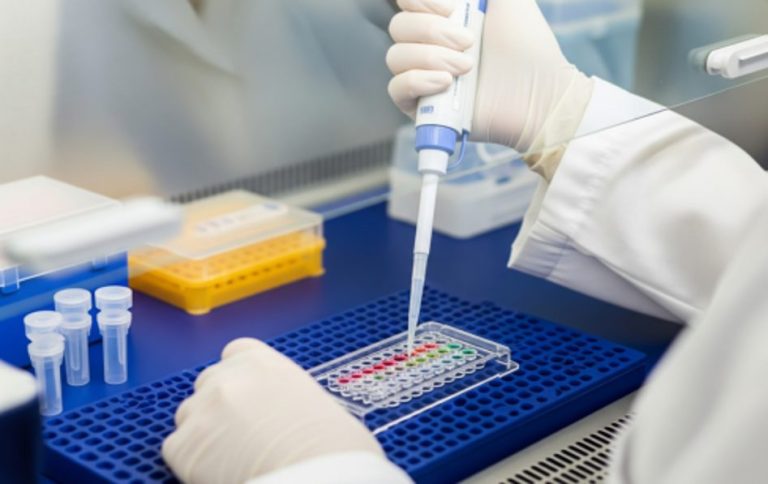
ELISA stands for Enzyme-Linked Immunosorbent Assay. It is a plate-based technique used to measure a specific substance, such as protein, hormone, antibodies, or small molecules, in a blood sample. It relies on antibody-antigen interactions.
A TX-A2 ELISA kit is used to measure the amount of TX-B2 in the blood sample. The typical TX-A2 ELISA kit includes:
- Pre-coated microtiter plates with capture antibodies
- Standards and controls for TX-B2 quantification
- Detection antibodies linked to an enzyme
- Substrate solution to produce a measurable signal
When a sample containing TX-B2 is added to the plate, it binds to the antibodies. The enzyme-linked detection system then produces a color change that can be measured spectrophotometrically. The intensity of the signal corresponds to the amount of TX-B2 in the sample.
What are the Applications of TX-A2 ELISA in Inflammation and Platelet Activation Studies?
Now that we know what inflammation and platelet activation are, why do they occur, and the role of Thromboxane A2 in these processes, it is time to understand how TX-A2 ELISA kits help in inflammation and platelet activation studies.
It helps:
Investigate Pro-Inflammatory Pathways
TX-A2 plays an important role in inflammation. It helps bring white blood cells to the affected area, causes the release of signaling proteins, and can damage blood vessel lining. These are signs of long-term inflammation.
Scientists use TX-A2 ELISA kits to measure TX-B2 levels in different disease models like arthritis, asthma, and colitis. These tests show if a drug or treatment can reduce inflammation by blocking TX-A2.
Evaluate Anti-Inflammatory Therapies
TX-A2 levels increase when the body is inflamed. Anti-inflammatory drugs aim to lower these levels. TX-A2 ELISA kits help check if a drug is working. Scientists measure TX-B2 levels before and after treatment. If levels go down, it means the drug is reducing inflammation. This helps in testing how well new treatments work.
Biomarker Discovery
TX-A2 can act as a marker of disease. When TX-A2 levels are high, it may show that inflammation or platelet activity is happening. Scientists use TX-A2 ELISA kits to measure these levels in blood or urine. This helps find early signs of diseases like heart problems or asthma. These markers can guide doctors in diagnosis and treatment.
Assess Platelet Function and Aggregation
TX-A2 is released when platelets become active. It helps platelets stick together and form clots. Scientists use TX-A2 ELISA kits to measure how much TX-B2 is made. This shows how active the platelets are. It helps study blood clotting in different conditions and check if platelets are working too much or too little.
Antiplatelet Drug Research
Some medicines stop platelets from clumping and forming clots. These are called antiplatelet drugs, like aspirin. TX-A2 ELISA kits help test if these drugs are working. Scientists measure TX-B2 levels before and after treatment. If levels drop, it means the drug is blocking TX-A2. This helps check how strong or effective the drug is.
Preclinical and Clinical Research
TX-A2 ELISA kits are used in both lab and human studies. In the lab, scientists test new drugs on cells or animals. In clinical research, doctors study how these drugs work in people. Measuring TX-B2 levels helps track changes in inflammation or platelet activity. This makes the kits useful for testing new treatments and understanding diseases better.
The Bottom Line
Now that you know how TX-A2 ELISA kit helps study inflammation and platelet activation, what are you waiting for? Find a reliable source to get high-quality ELISA kits and start your research now!
