



Everyone strives to stay healthy and lead a long life. While there are many ways to improve your health, like eating well, exercising, and sleeping properly, one crucial step often overlooked is regular health screening.
Early checks for conditions such as heart disease, high cholesterol, or diabetes can lead to long-term improvements in your health. Studies from the NHS health check programme and heart health advice from the NHS show that early testing plays a big part in preventing serious illness.
So, how exactly does health screening help people live longer? It comes down to finding problems early and taking action before things worsen. This article will explore the significance of screening, the various types available, and how it promotes better long-term health.
What Is Health Screening?
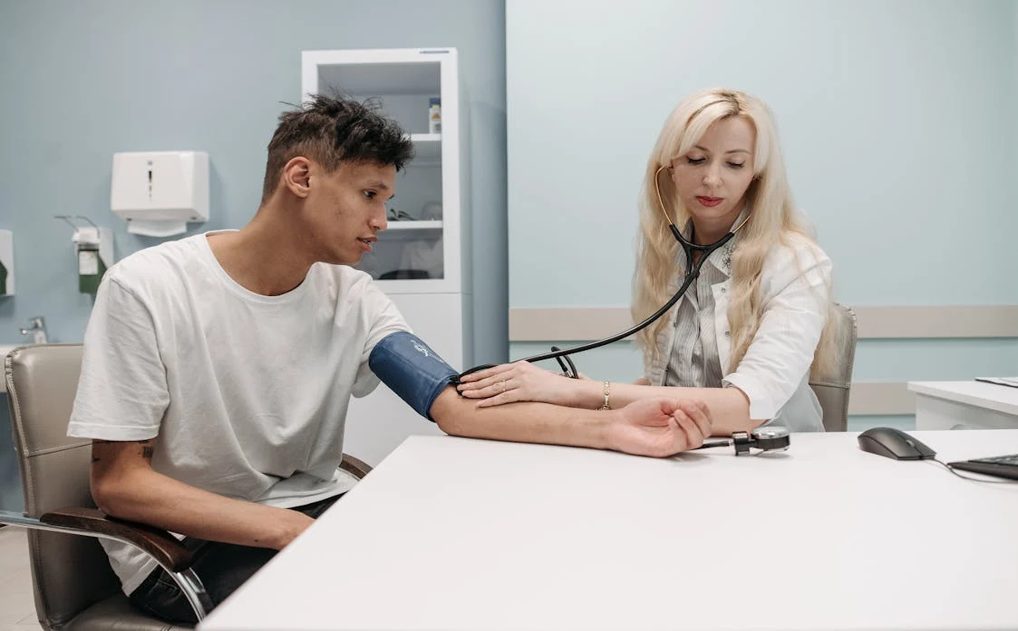
Health screening is when a doctor or nurse checks for early signs of illness, even if you feel fine. These tests often look for risk factors like high blood pressure, raised cholesterol, or early signs of cancer. The main goal is to find problems before they cause symptoms, which gives you a better chance to treat or manage them.
For example, someone may have high blood pressure without knowing it. If found early through a simple screening test, that person can make changes, such as taking medication, improving diet, or getting more exercise, to decrease the likelihood of heart disease or a stroke later.
In other cases, someone may have a family history of particular health issues such as heart conditions, diabetes or asthma and using health screening can be a life-saving benefit for early detection and prevention.
How Early Detection Helps
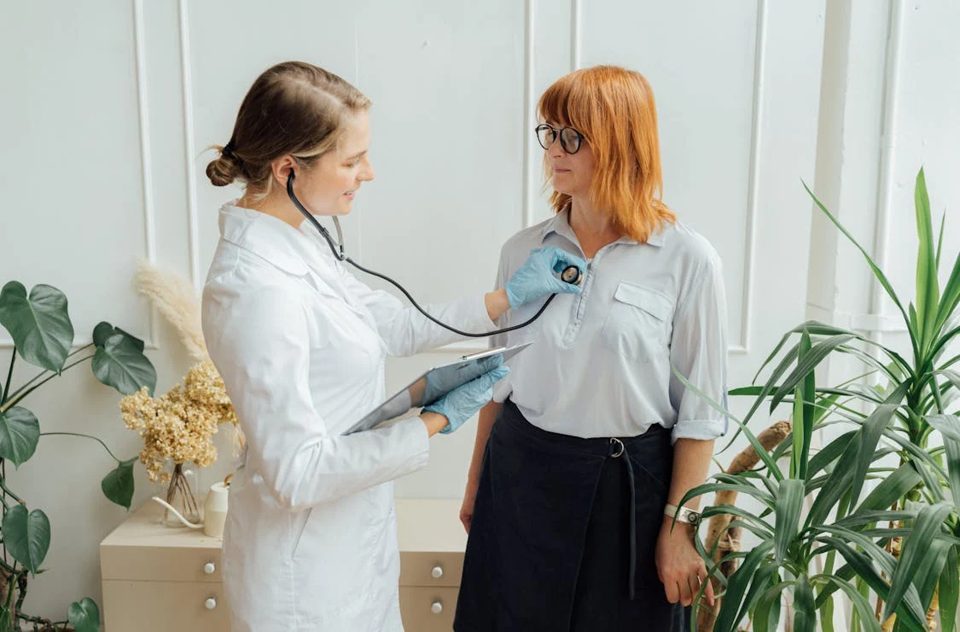
A key benefit of screening for health conditions is that it helps identify health issues before they become serious. Many illnesses, such as type 2 diabetes or some cancers, don’t show clear signs in the early stages. By the time symptoms appear, the condition might already have caused damage.
When caught early, these conditions are often easier to treat. In some cases, early treatment may even prevent the condition from getting worse. For example, cancer found through a screening test is usually smaller and easier to remove or treat than one found later through symptoms.
Screening also helps doctors monitor small changes in your health. If any irregularities are observed, they can suggest further tests or treatments to minimise potential risks.
Screenings Encourage Better Habits
Understanding your test results can inspire you to take better care of yourself. If your screening shows that you have high cholesterol or borderline blood sugar levels, that information can push you to make healthier choices. You may start eating more vegetables, limiting sugar consumption, or exercising more often.
Over time, these small changes can make a big difference. People who engage in screening programmes often adopt lifestyle changes that help them stay well and avoid more serious problems down the road.
What the Research Tells Us
There’s clear evidence that screening helps people live longer. Data from the UK screening uptake statistics shows that those who attend their recommended screening appointments are more likely to have health conditions caught early.
The Health Survey for England also indicates that many people don’t know they have a health issue until they get screened. The sooner a condition is detected, the simpler it is to treat or manage. That means fewer hospital visits, fewer medications, and better overall health.
Why Some People Skip Screenings
Despite the clear benefits, not everyone goes for regular screenings. Some people are afraid of what the tests might find. Others think they’re too busy, or that they’re too young or healthy to need a check-up.
But screenings are often quick and straightforward. Many only take 15–30 minutes and don’t involve anything painful. And the benefits far outweigh the minor inconvenience. One short visit could add years to your life or help you avoid serious health problems in the future.
If you’re unsure which screenings you need, consult your doctor or visit a nearby clinic. Services like Vista Health offer private screening options that are easy to book and provide fast results, making it simple for anyone to take control of their health.
Making Screening a Regular Part of Life
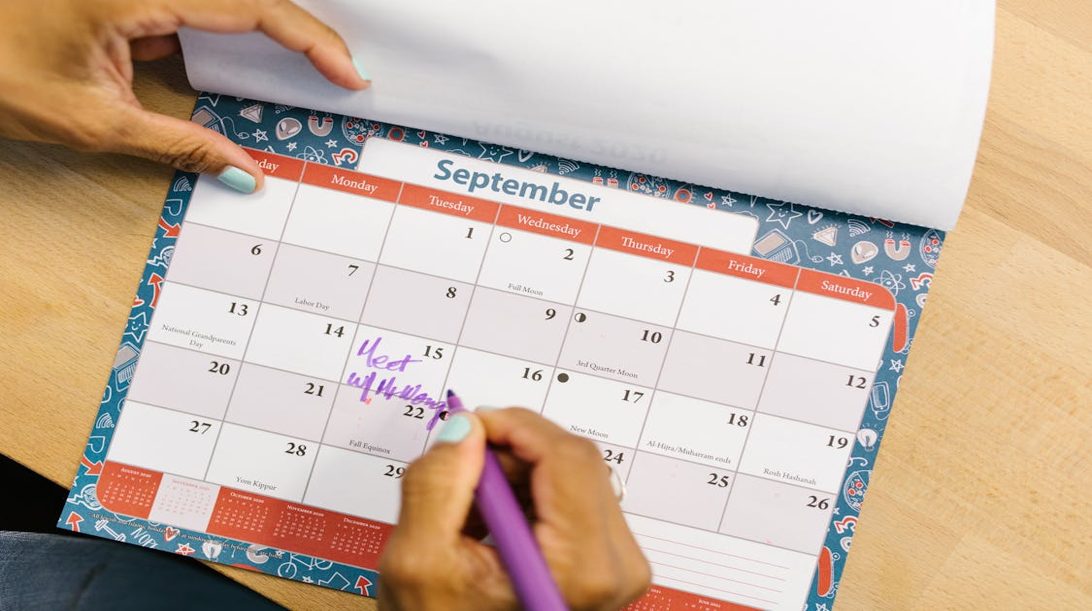
Health screening shouldn’t be something you do just once. For the best results, it needs to be part of your routine. Think of it like getting your car checked—it helps prevent problems before they start. Depending on your age, gender, and medical history, your doctor might recommend various screenings and how often you should have them.
The good news is that it’s easier to stay committed after you’ve been initiated into the process. You’ll feel more confident knowing where you stand, and your doctor can give you clear advice based on your results.
Final Thoughts
Health screening is one of the easiest ways to stay healthy and live longer. It helps find problems early, supports better lifestyle choices, and reduces the chance of serious illness. While it’s not always something people think about, it can make a big difference in your long-term well-being.
Taking a little time at this stage to get screened could help you stay active, independent, and healthy for more years.
