


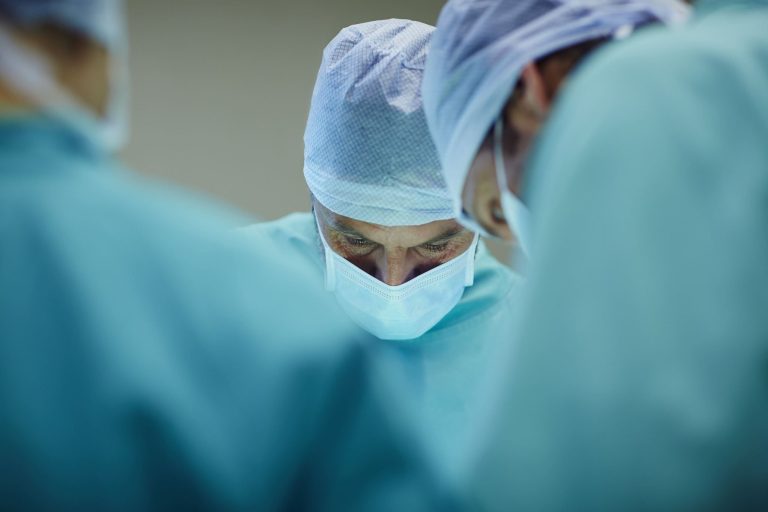
Contamination risks in healthcare facilities remain a major concern, even with advancements in equipment and protocols. Effective hygiene practices are more than a matter of compliance. They are a fundamental part of patient safety, infection control, and staff wellbeing. While most healthcare providers understand the value of sanitation, some of the most important measures are underutilized or inconsistently applied.
Hand Hygiene Is Still the Front Line
Handwashing remains one of the most powerful tools for preventing contamination. Despite clear guidelines and training, compliance rates in healthcare environments can vary depending on time pressure, staff availability, and cultural habits. Consistent access to handwashing stations, alcohol-based sanitizers, and staff reminders can encourage better habits. Leadership must also model good behavior and reinforce the consequences of skipping this simple but vital practice. Regular audits and feedback loops help ensure hygiene is being maintained.
Surface and Equipment Cleaning Is Nonnegotiable
Frequently touched surfaces such as door handles, bed rails, and computer keyboards must be cleaned multiple times a day with appropriate disinfectants. Shared equipment like thermometers and blood pressure cuffs should be sanitized between patients without exception. Staff should be trained on which products are safe to use with sensitive equipment and how long surfaces should remain wet during disinfection to achieve the intended results. Inadequate cleaning can lead to the spread of pathogens such as MRSA or C. difficile.
Linen Management Can Stop Infection
Linens used in patient rooms, surgical settings, or long-term care environments can become contamination sources if not handled properly. Cross-contamination can occur during collection, transport, or processing. Healthcare facilities that partner with a certified wash and fold laundry service that specializes in medical textiles are often better equipped to meet infection control standards. These services follow protocols to separate clean and soiled items, use hospital-grade detergents, and maintain strict temperature controls throughout the cleaning process.
Staff Training Must Be Ongoing
Hygiene standards are only effective if staff understand how to apply them in real-time situations. One-time training is not enough. Facilities should provide regular refreshers using real-world scenarios and changes in protocol. Simulation exercises, visual guides, and peer observations can all contribute to better hygiene practices. This approach encourages accountability and strengthens the facility’s safety culture.
Facility Design Can Encourage Cleanliness
The layout of a healthcare facility can make a significant difference in how easily hygiene protocols can be followed. Narrow hallways, limited handwashing stations, or poorly ventilated areas can contribute to lapses in sanitation. Administrators and facility managers should review the physical environment regularly and consider improvements such as touchless doors, easily cleaned surfaces, and smart design that separates high-traffic patient areas from supply storage or staff zones.
Good hygiene in healthcare facilities is not just a checklist item. It is a proactive strategy that protects patients, staff, and the broader community from preventable infections. By improving practices across hand hygiene, surface disinfection, linen care, and staff education, facilities can significantly reduce contamination risks and promote a safer care environment. For more information, check out the infographic below.

